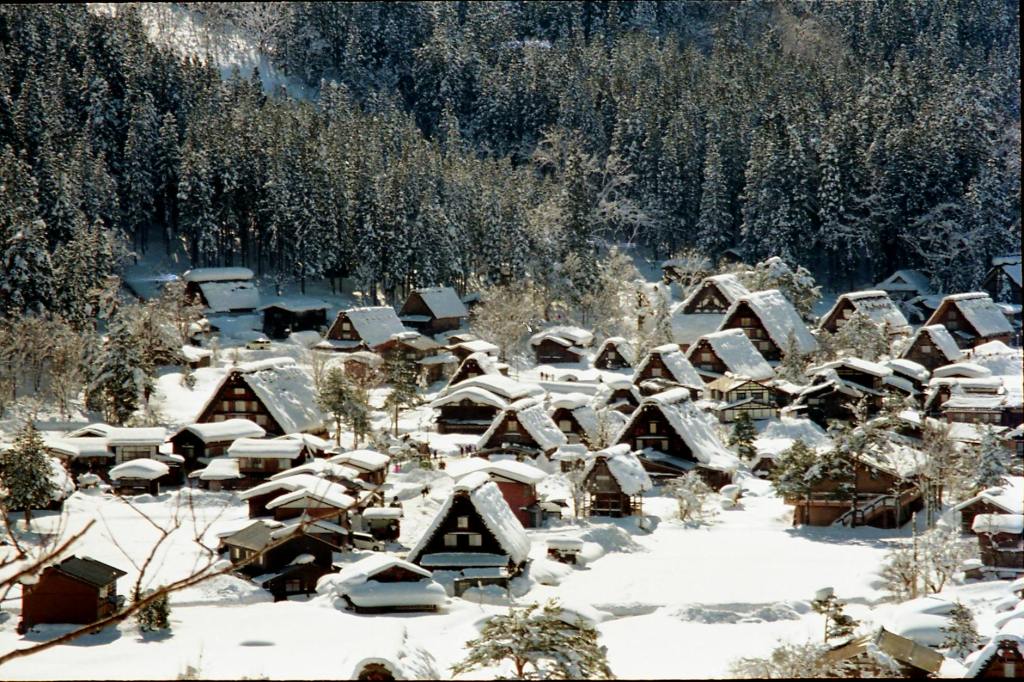
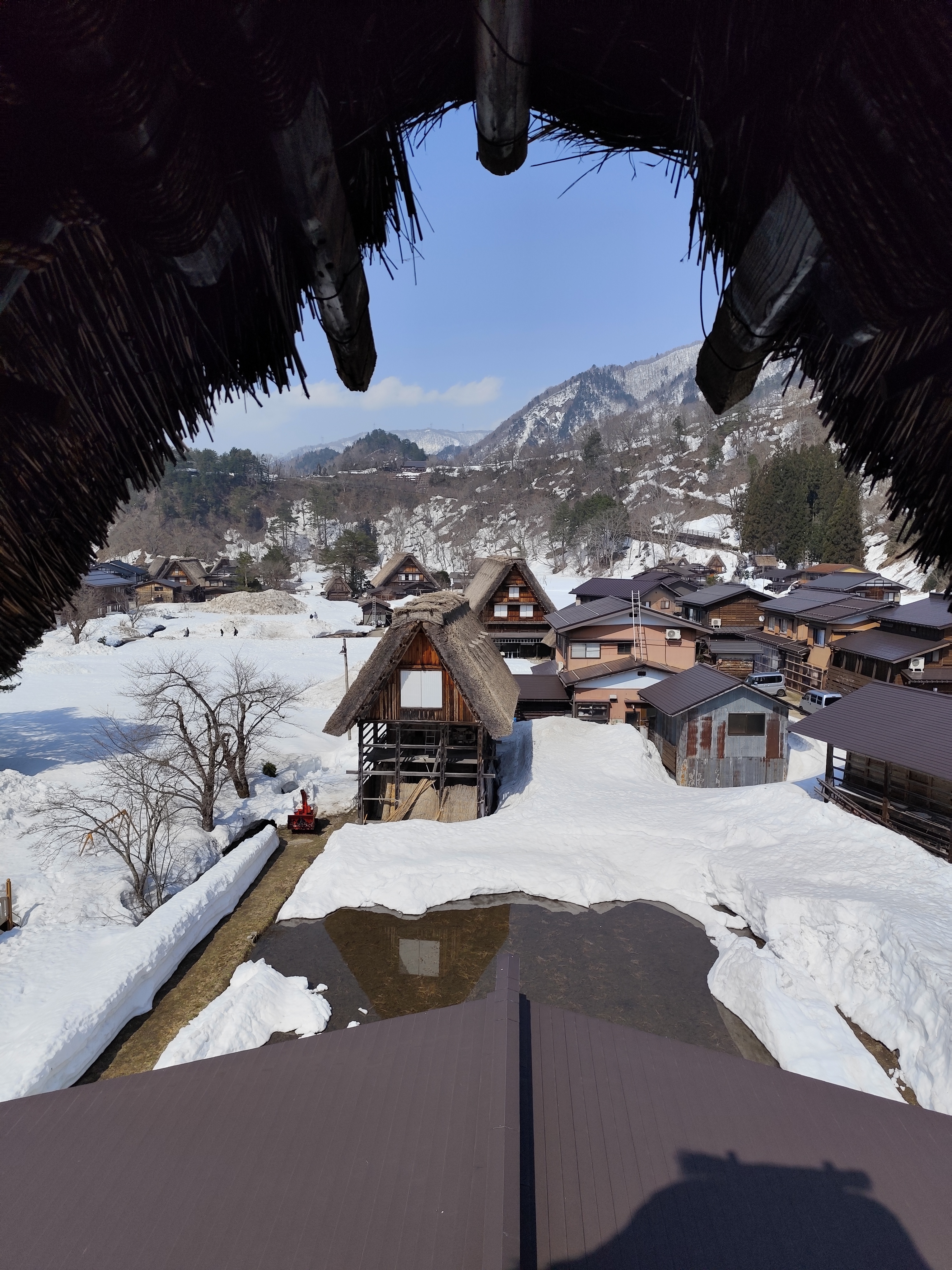
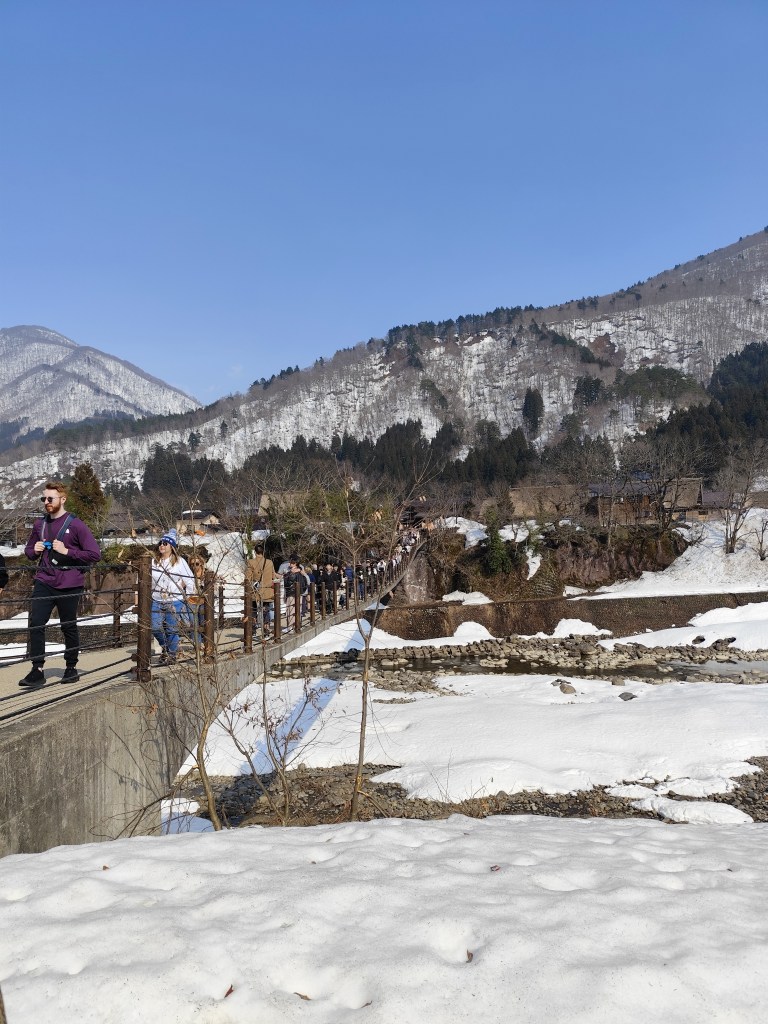
It’s almost the end of this itinerary trip and the next stop is : Shirakawa-go! If you have never heard of the village or don’t know much about it, it is a UNESCO registered village due to its historical value and its great preservation. And… it is a great scenery for a new adventure!
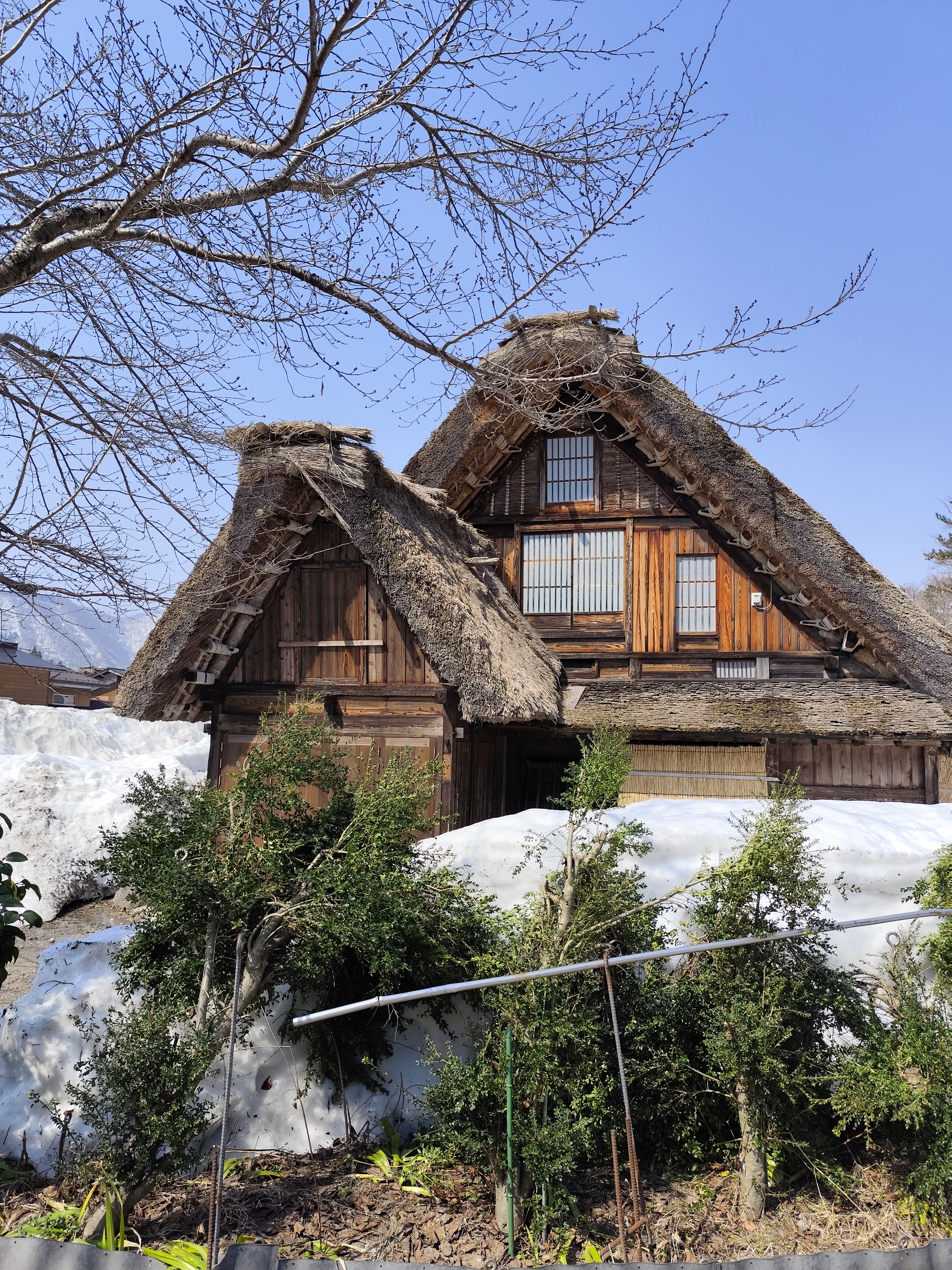
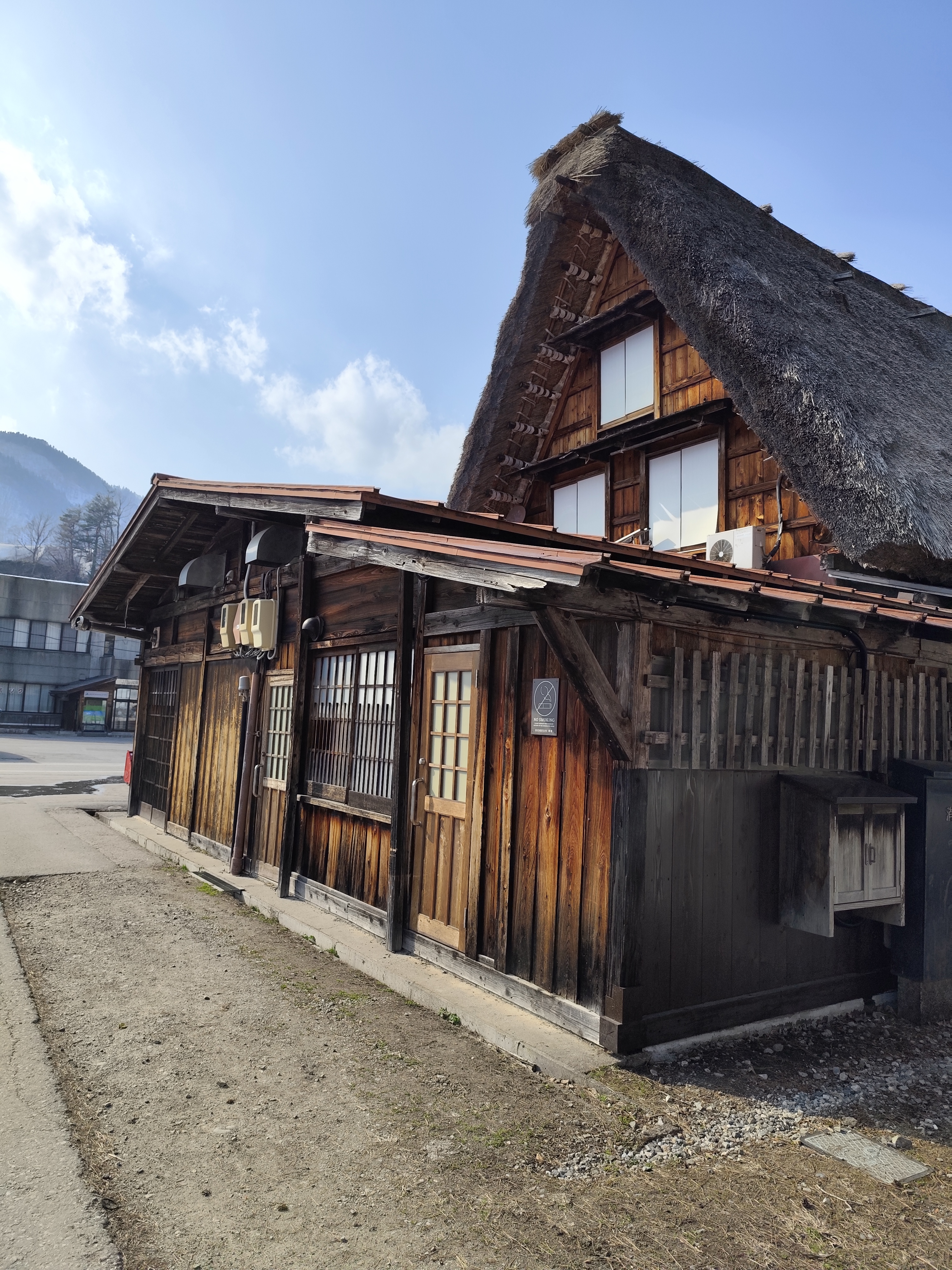
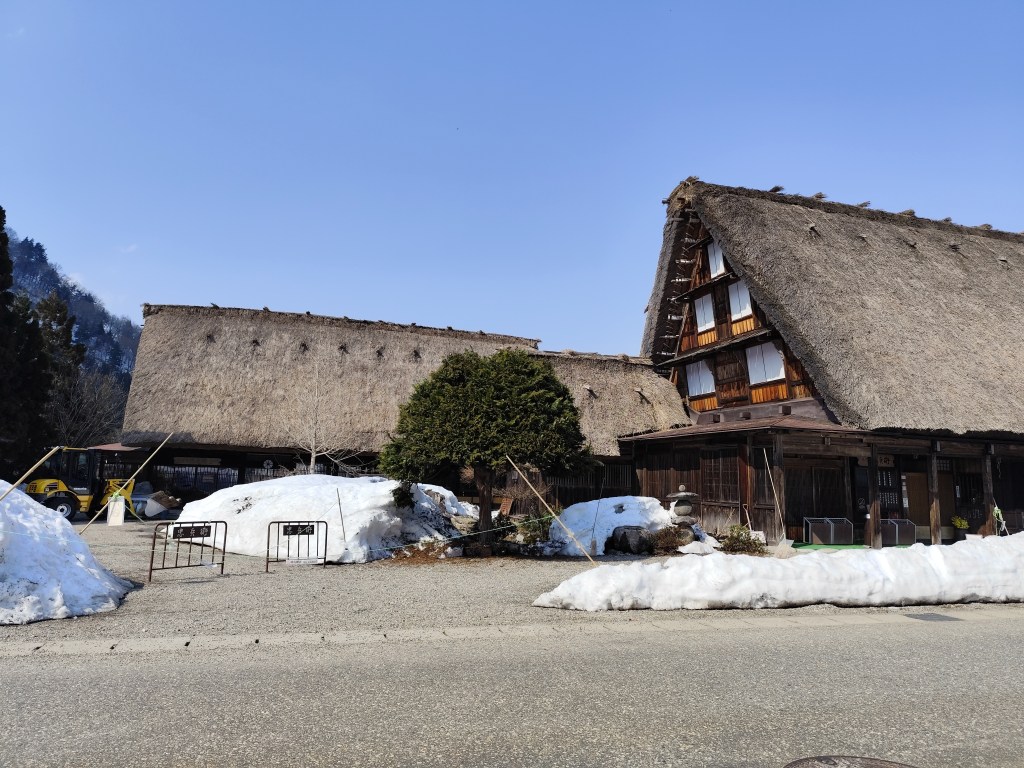
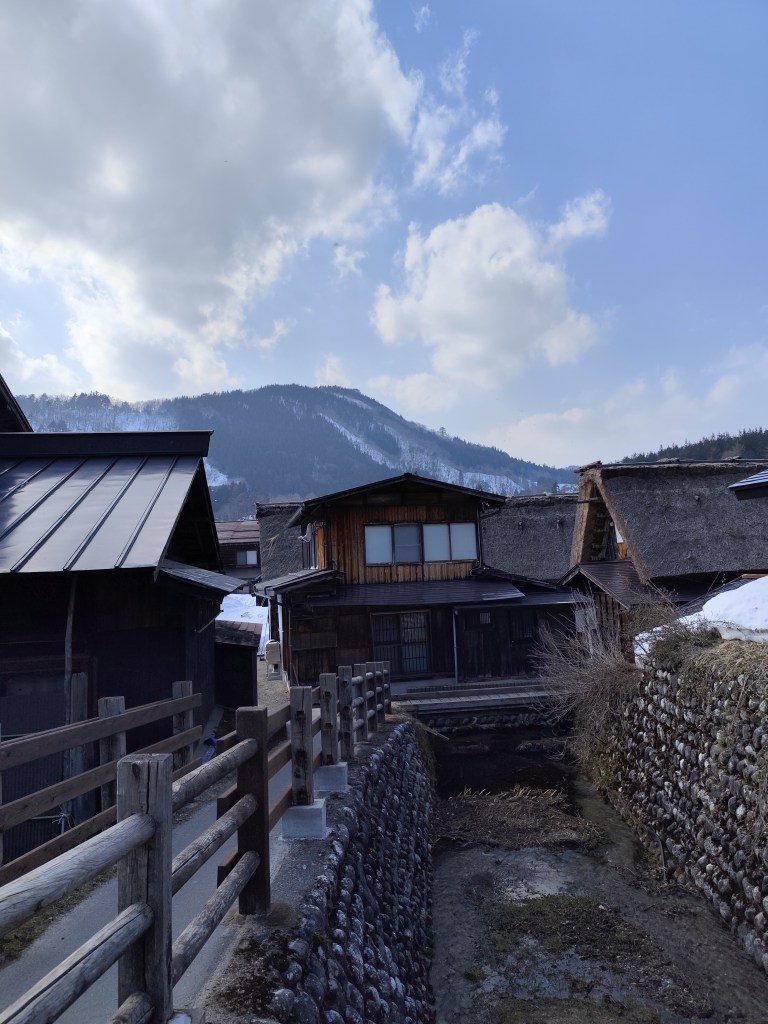
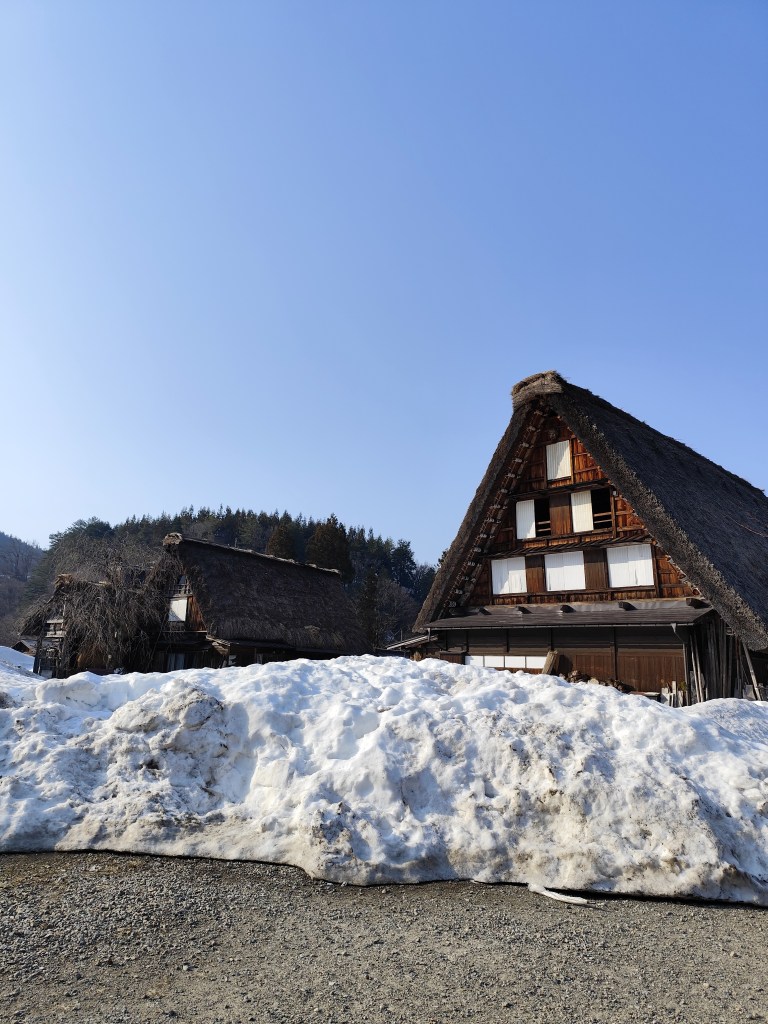
Located in the middle of the mountains, Shirakawa-go was known for its silk and gun powder production. It is world renowned due to its gassho-zukuri style houses which means « constructed like hands in prayer », it evoques buddhist monks hands in prayer. Those houses are located in Ogimachi (Ogi town), main attraction in Shirakawa-go.
How to get there ?
For this day, I want to start with how to get there as it is quite difficult to find your way depending on the season. I came in winter and the buses going to Shirakawa-go are limited compared to the high season. So how do we get there ?
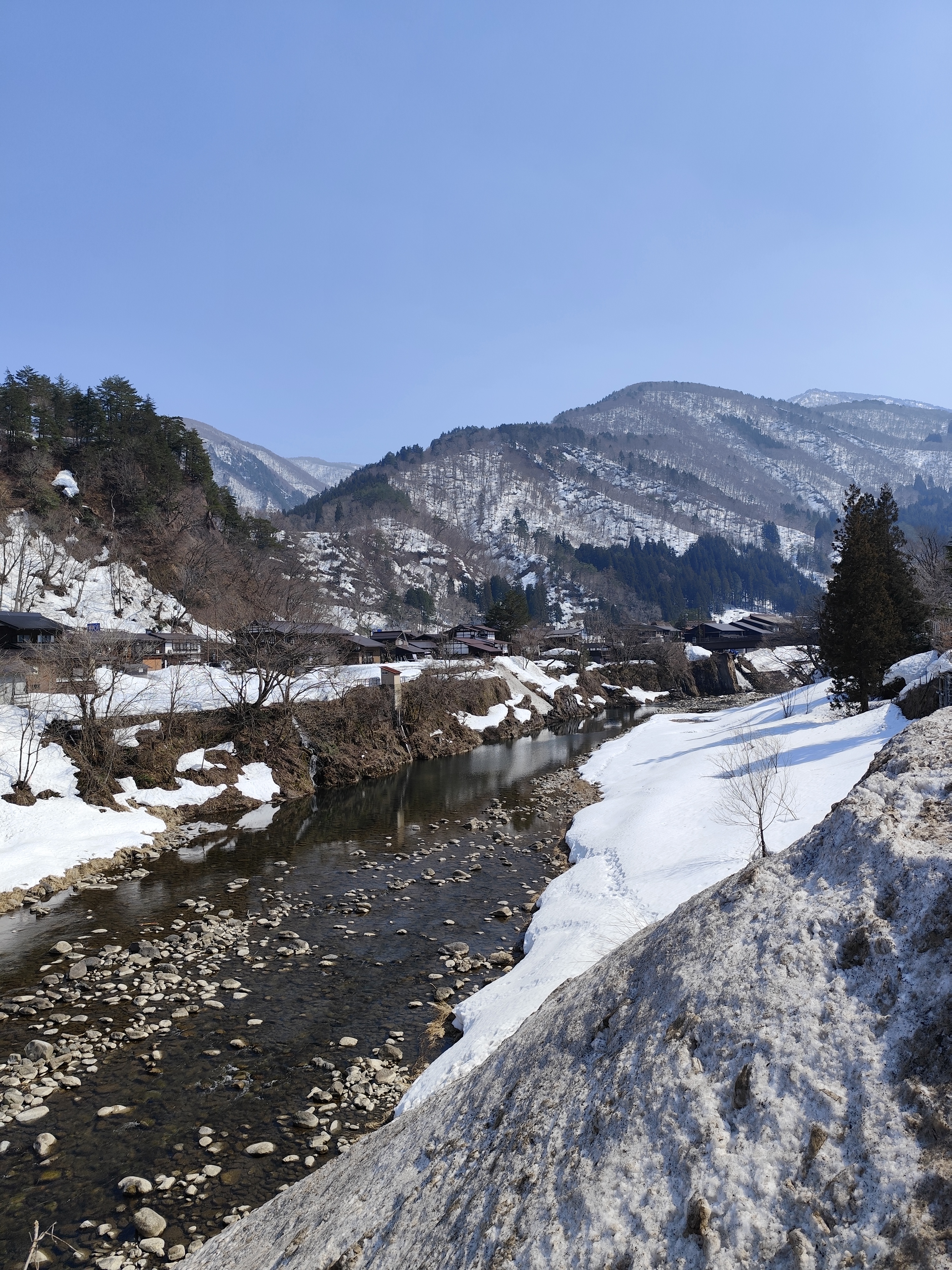
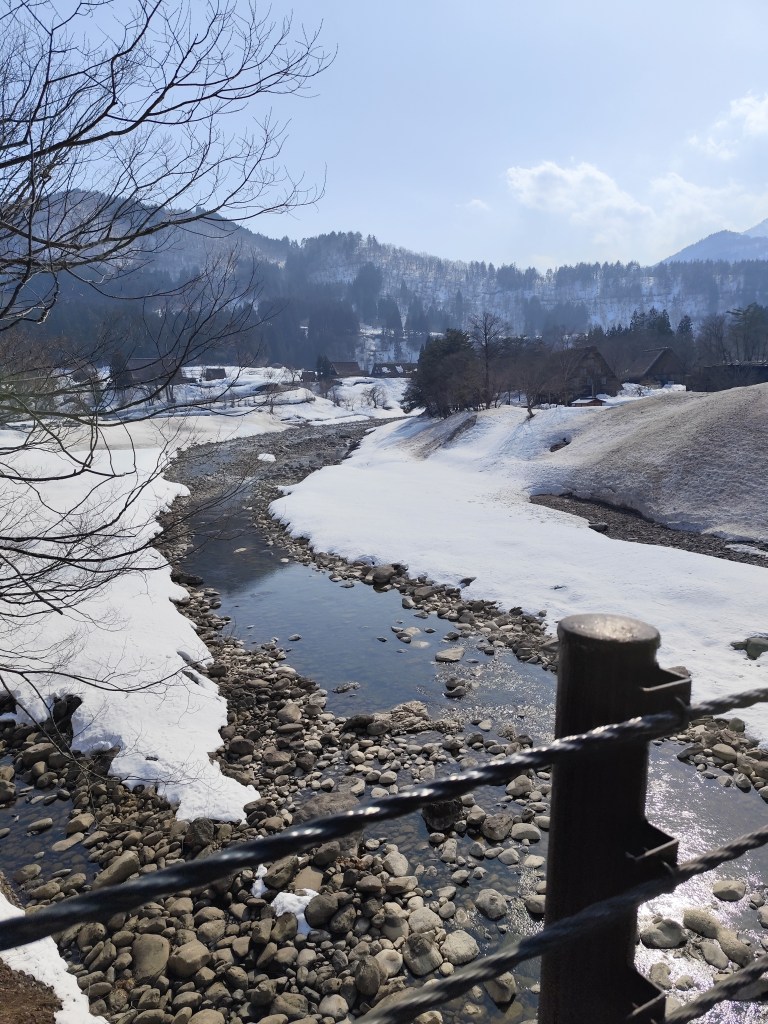
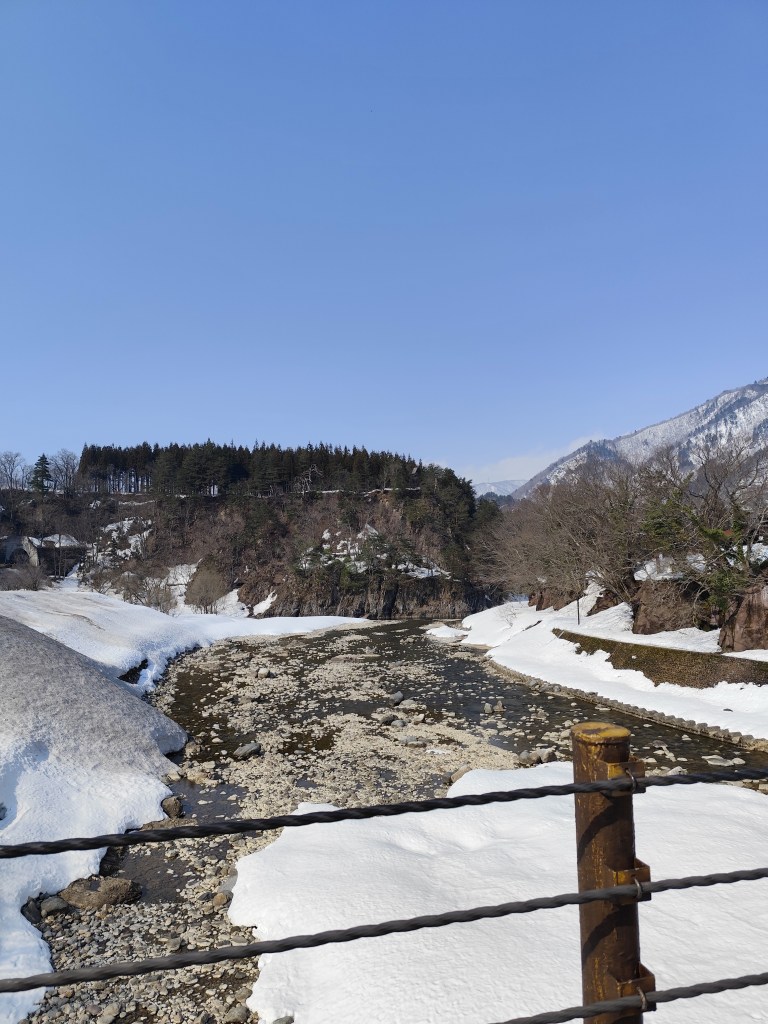
I took the bus from Matsumoto, sadly it wasn’t a direct so I had to stop by takayama to catch the bus for Kanazawa passing by Shirakawa-go. The view was amazing with the rivers, waterfalls, snowmonkeys, I loved it.
During the high season there are more buses, for example starting in april, you can take a bus from Tsumago to Shirakawago.
From Matsumoto :
- Bus : to Takayama nohi bus terminal, then take the bus to Shirakawa-go/Kanazawa from the same terminal, 7200yen total, 4h~
From Nagoya :
- Bus : 2h42, from Meitetsu bus center, 3600-4700yen (depending on the schedule)
- Mixte : 3h57, JR Hida line to Takayama, bus to Shirakawago/Kanazawa, 8740yen
From Kanazawa :
- Bus : 1h30, from Kanazawa station west exit, 2800yen
From Nagano :
- Mixte : 3h30 Shinkansen Hokuriku line, to Shin-Takaoka, then bus « Sekaiisan » line to Shirakawago, 9170yen (changing)
What to do /see ?
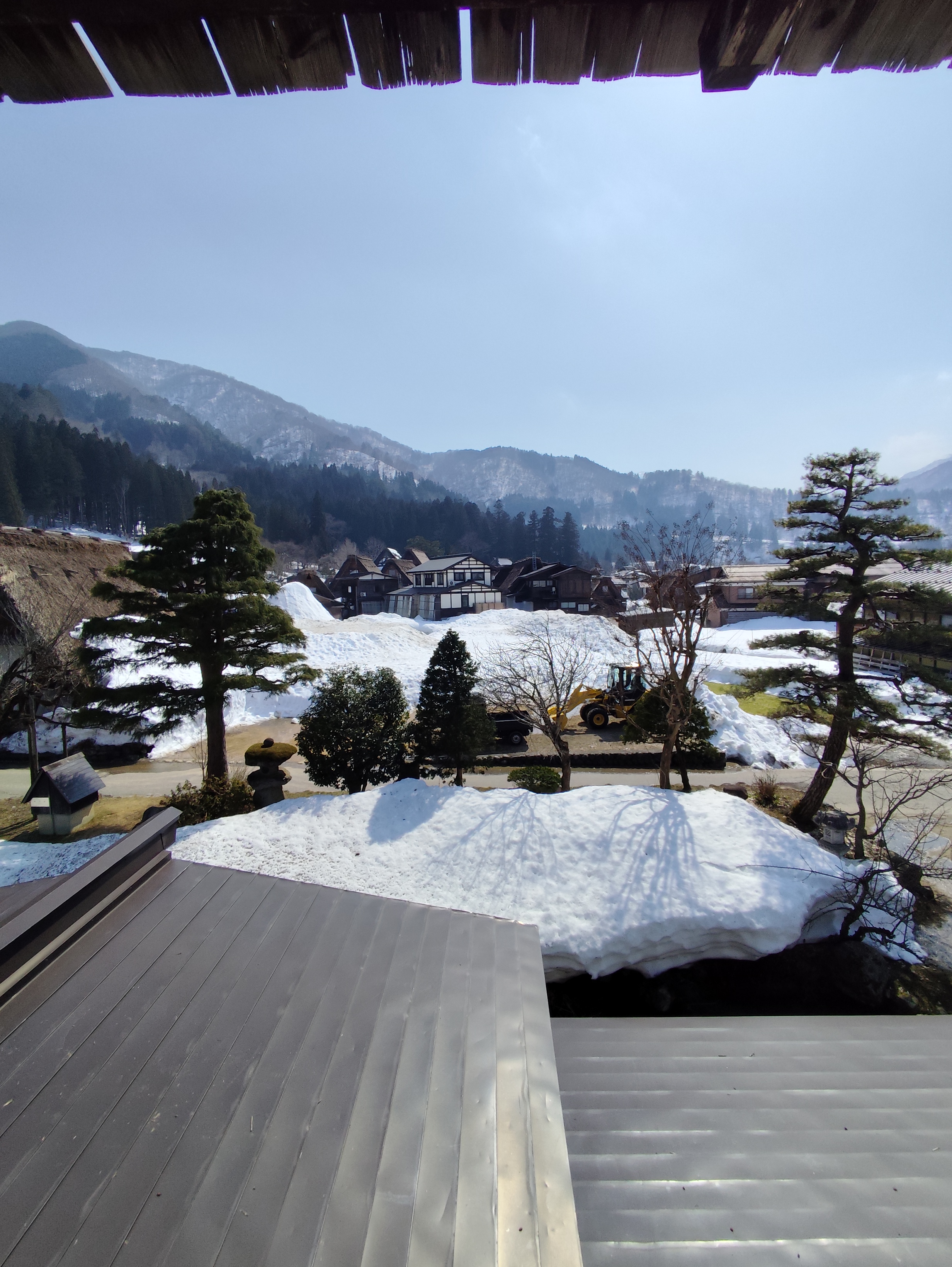
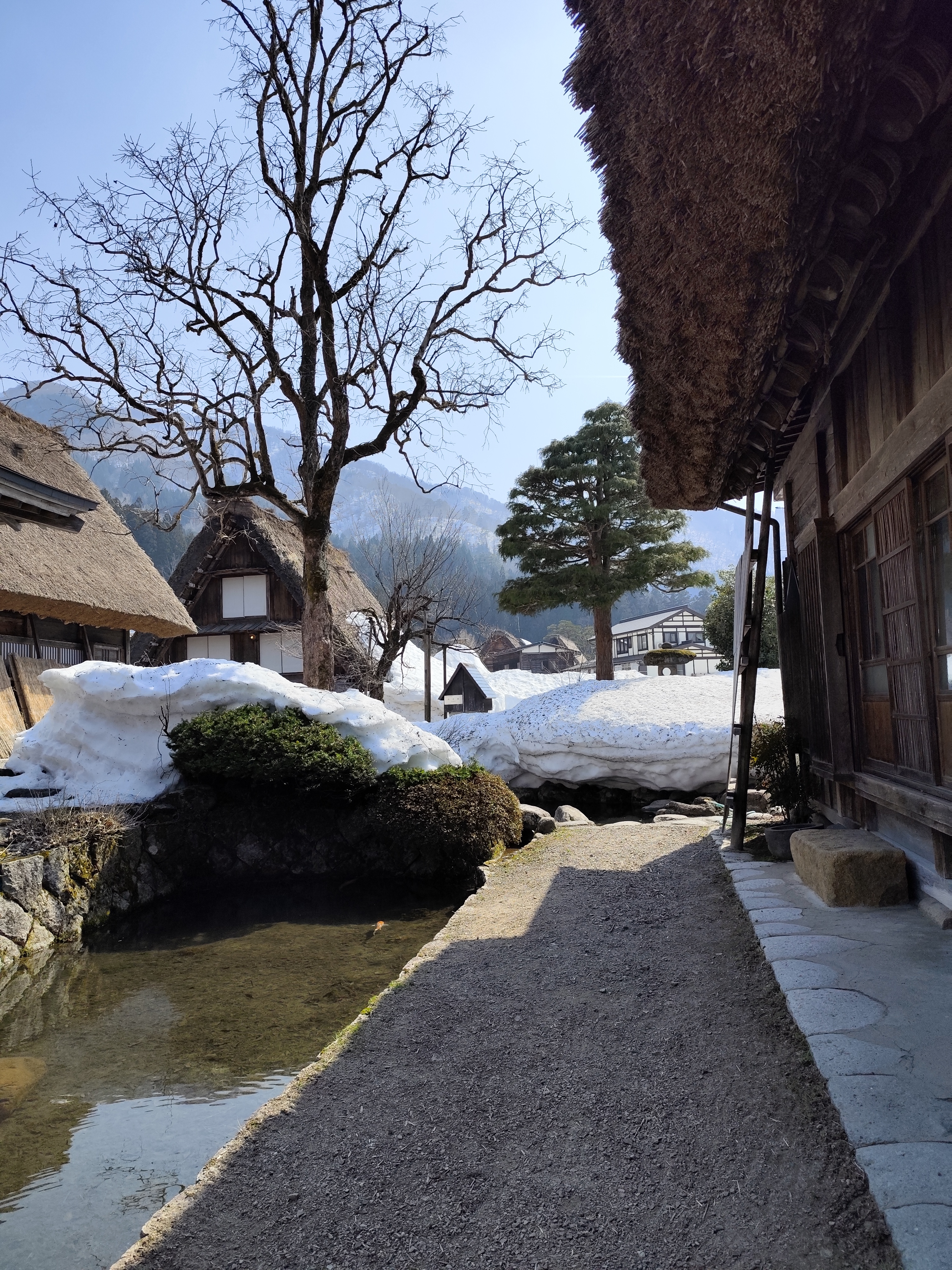
So I arrived from Takayama at around 1 p.m., I dropped my bag at the hostel and went straight to Ogimachi. As I arrived, I could already admire the charms of the town with all these surounding gassho-zukuri style houses. Unfortunately there were a lot of tourists so, in some parts of the village, it was hard to go around and enjoy the view. However most people seemed to be here only for a renowned pudding place and to take pictures so museums were quite empty.
Here some houses or parts of the houses have been turned into museums to show how life was and what they were doing in this village.
Entering the village I took a street with a bit lesser people and went to Kanda House. This house was a sake brewery from the end of the Edo period to the Meiji period and its 2nd and 1st floors were dedicated to silk production. There were only a few people inside so it was easier to wander around the house and visit.
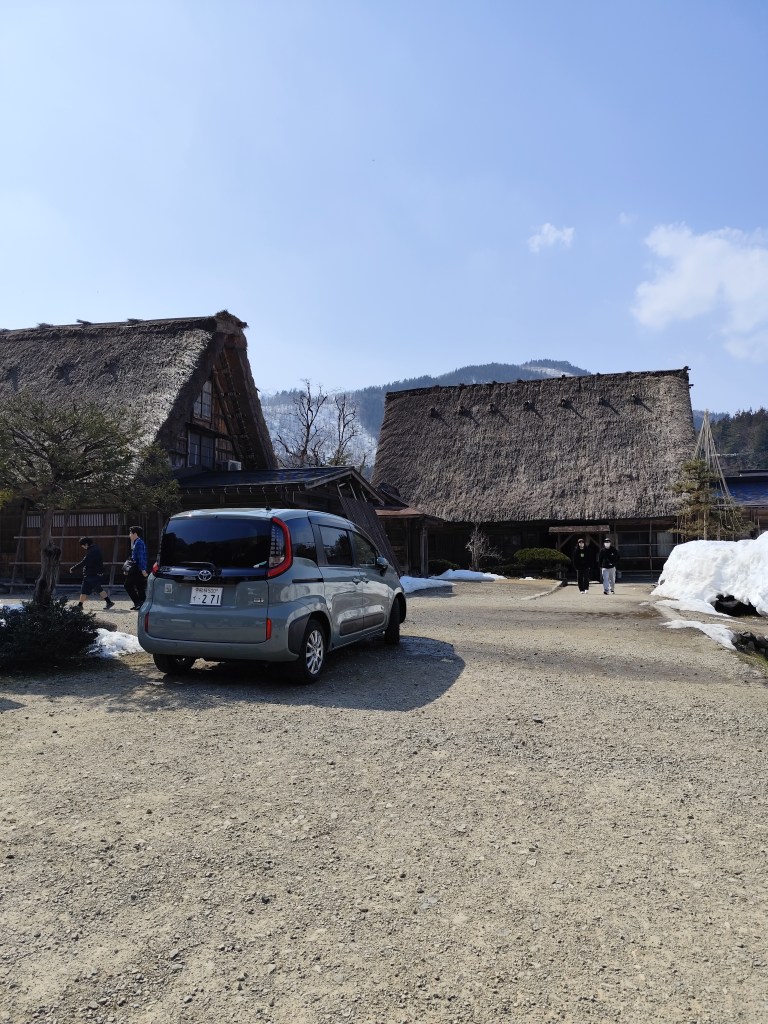
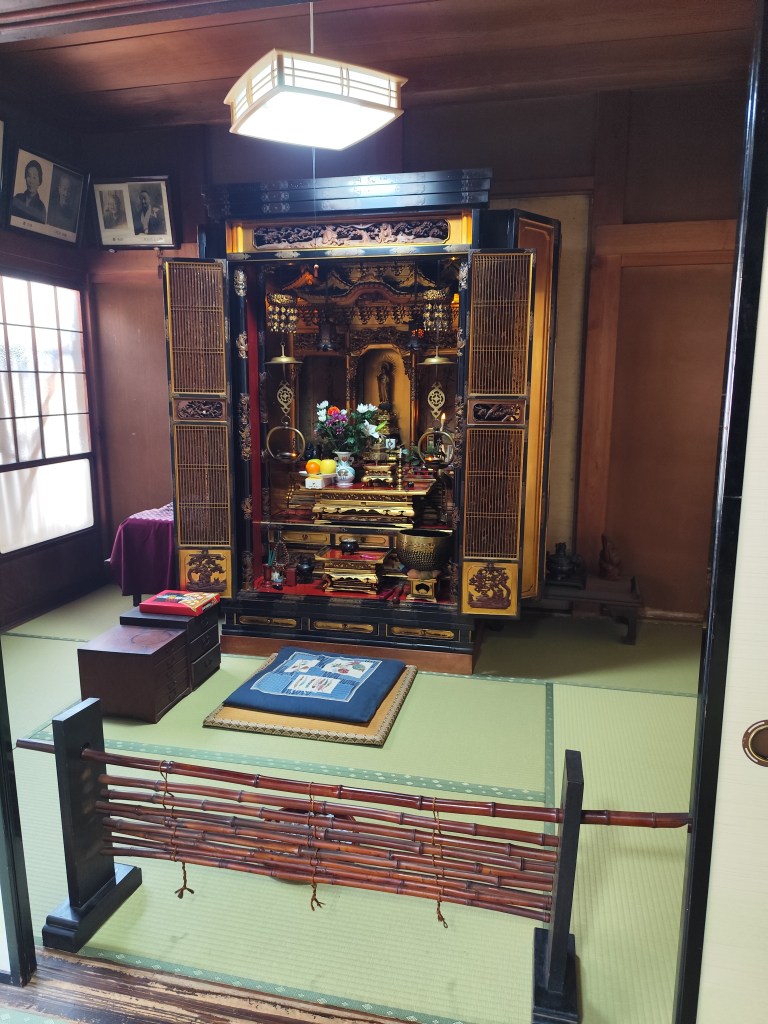
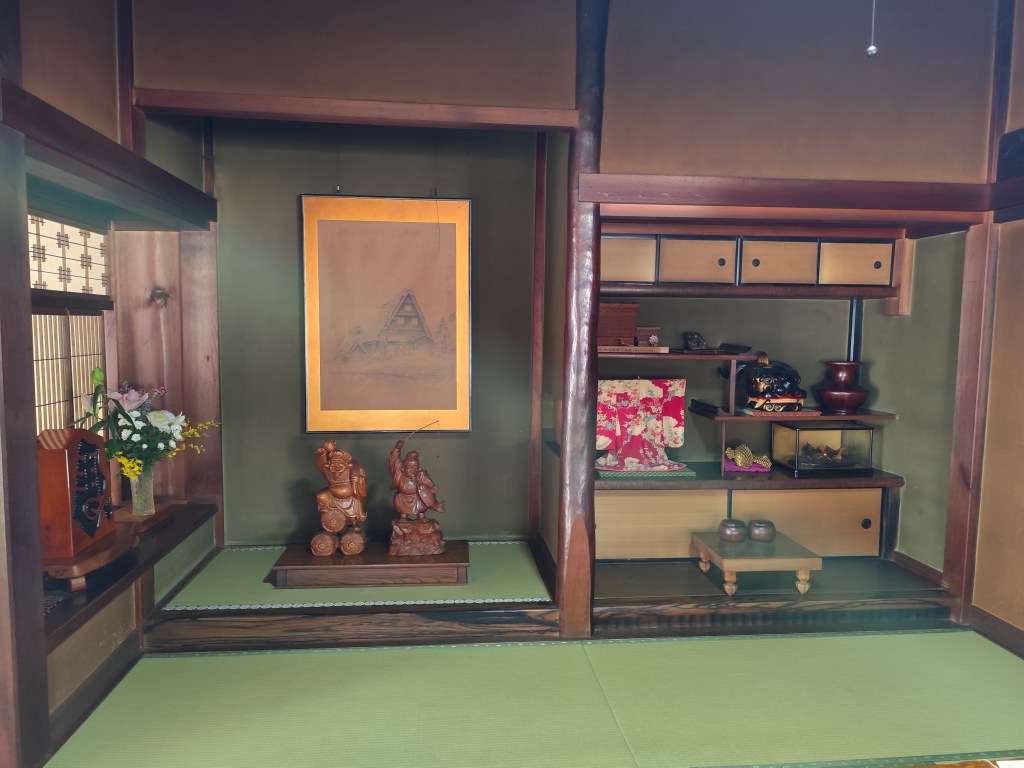
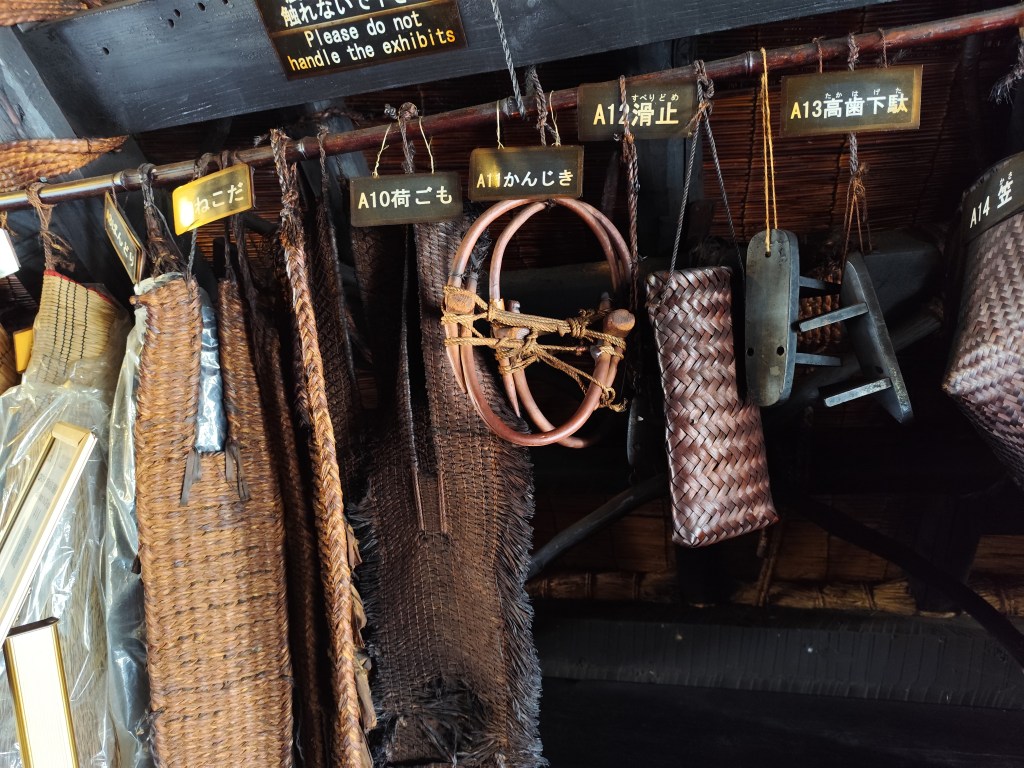
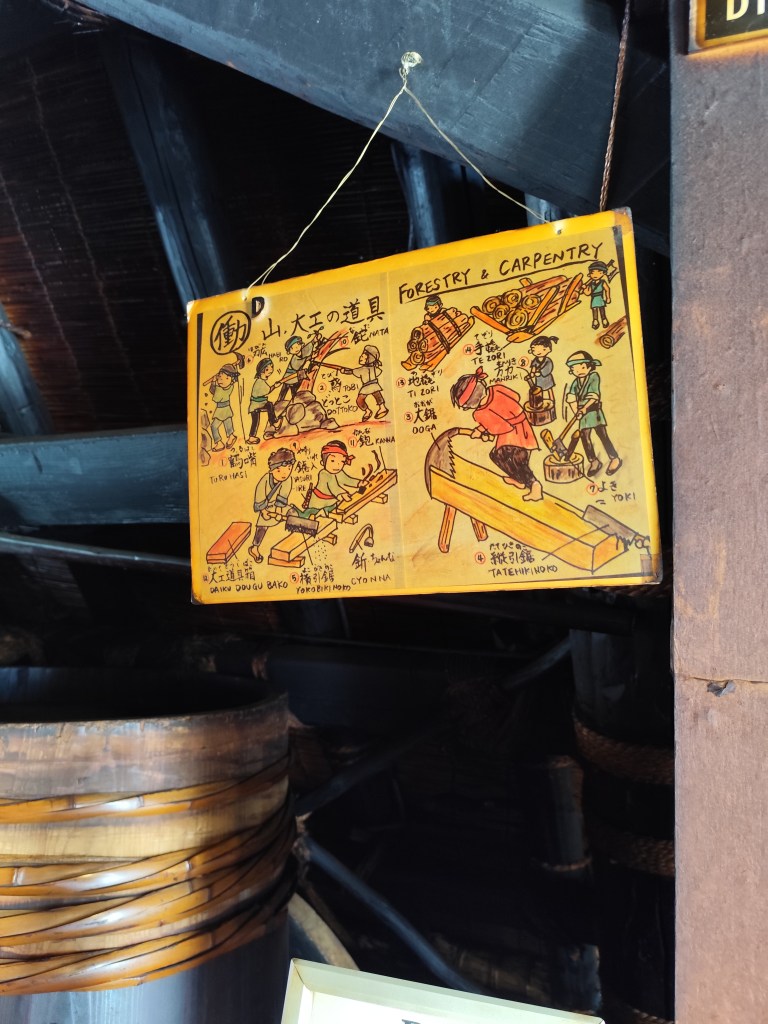
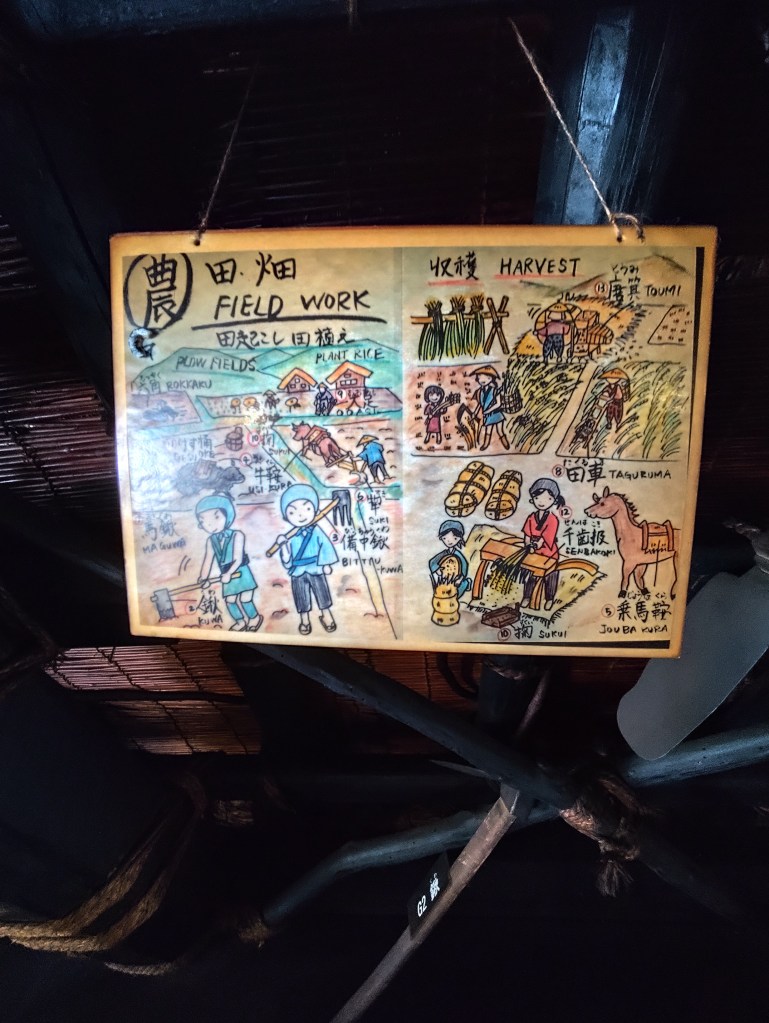
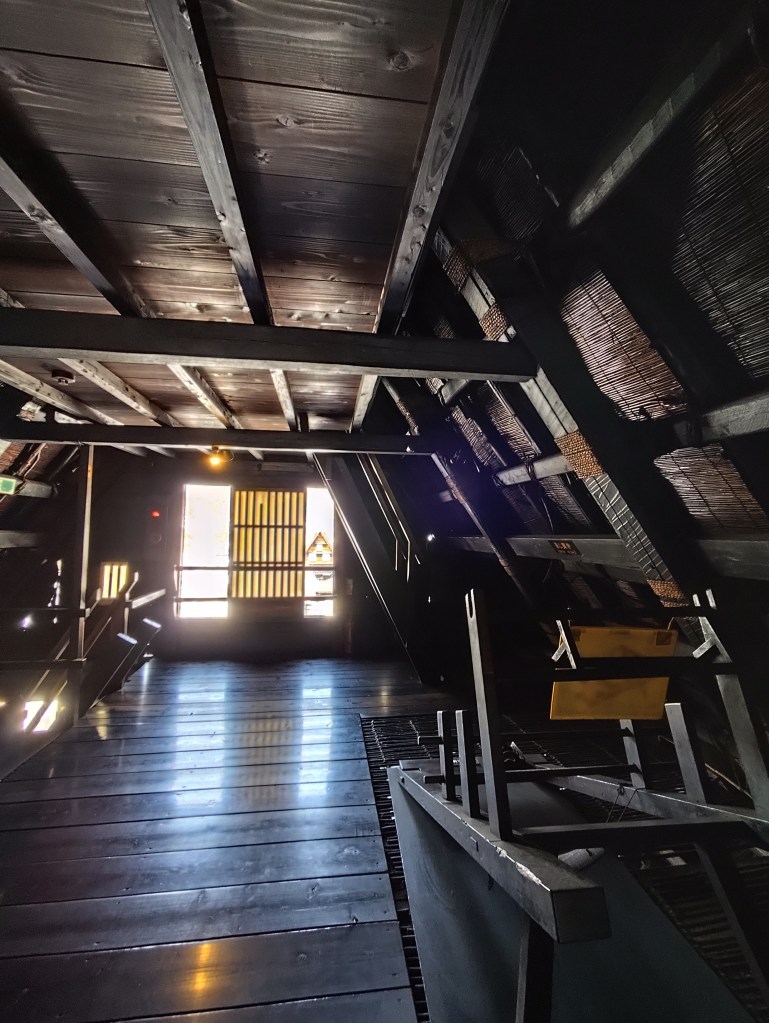
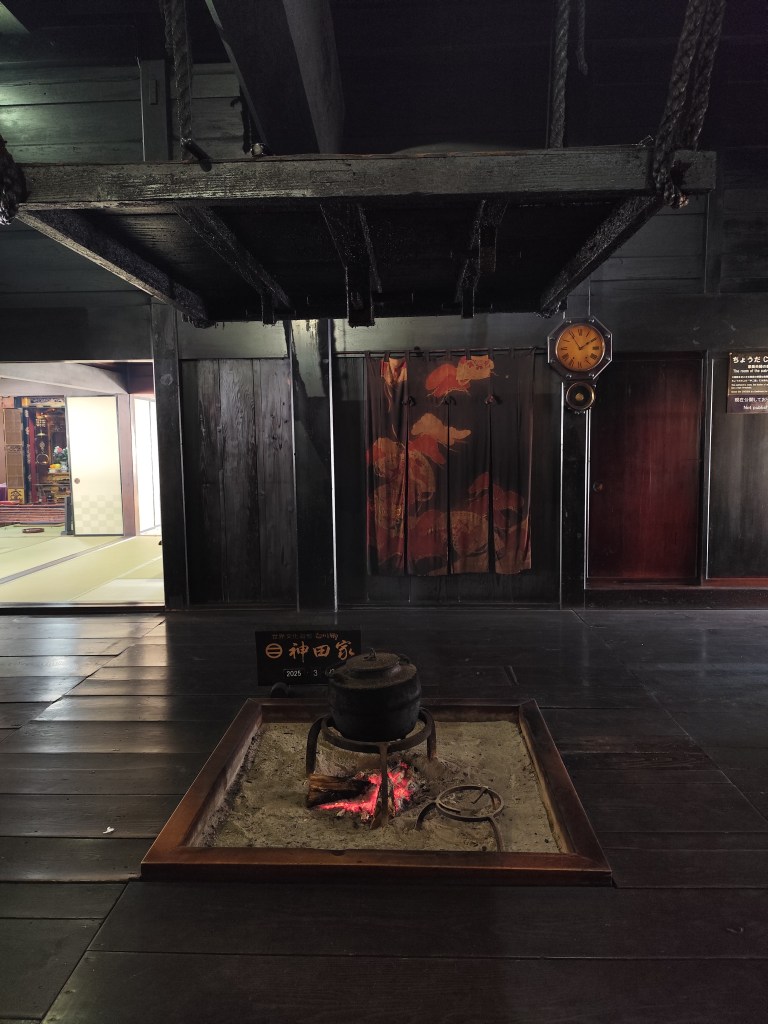
However you will see that more people visit Wada House which seems bigger and is more famous.
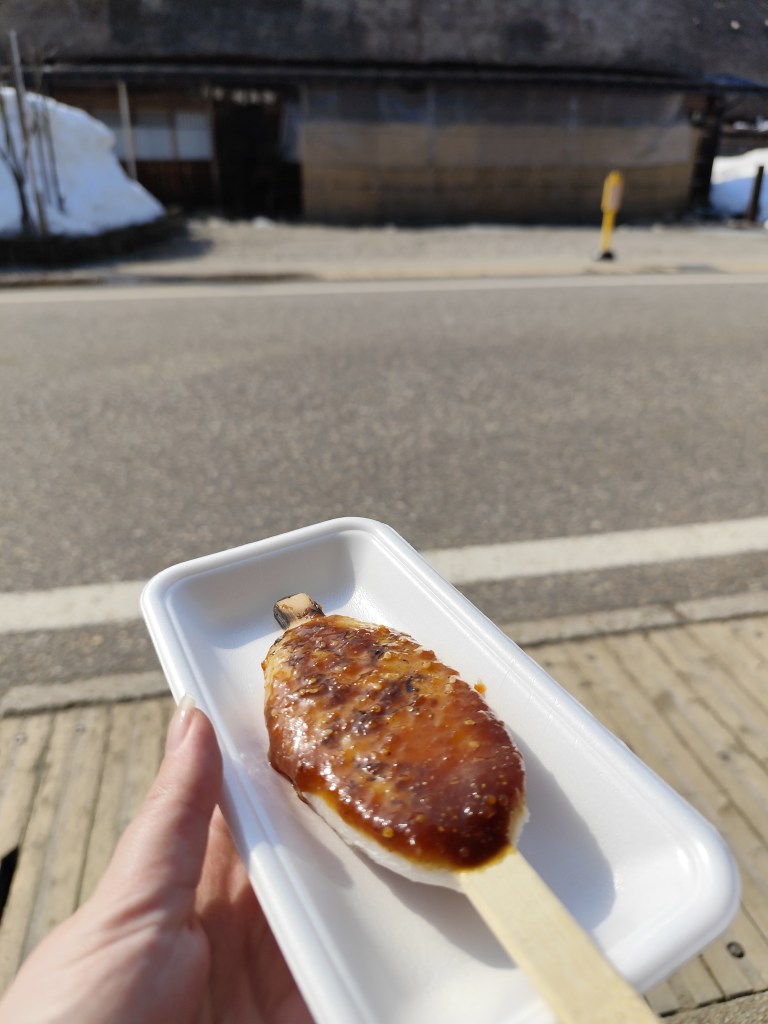
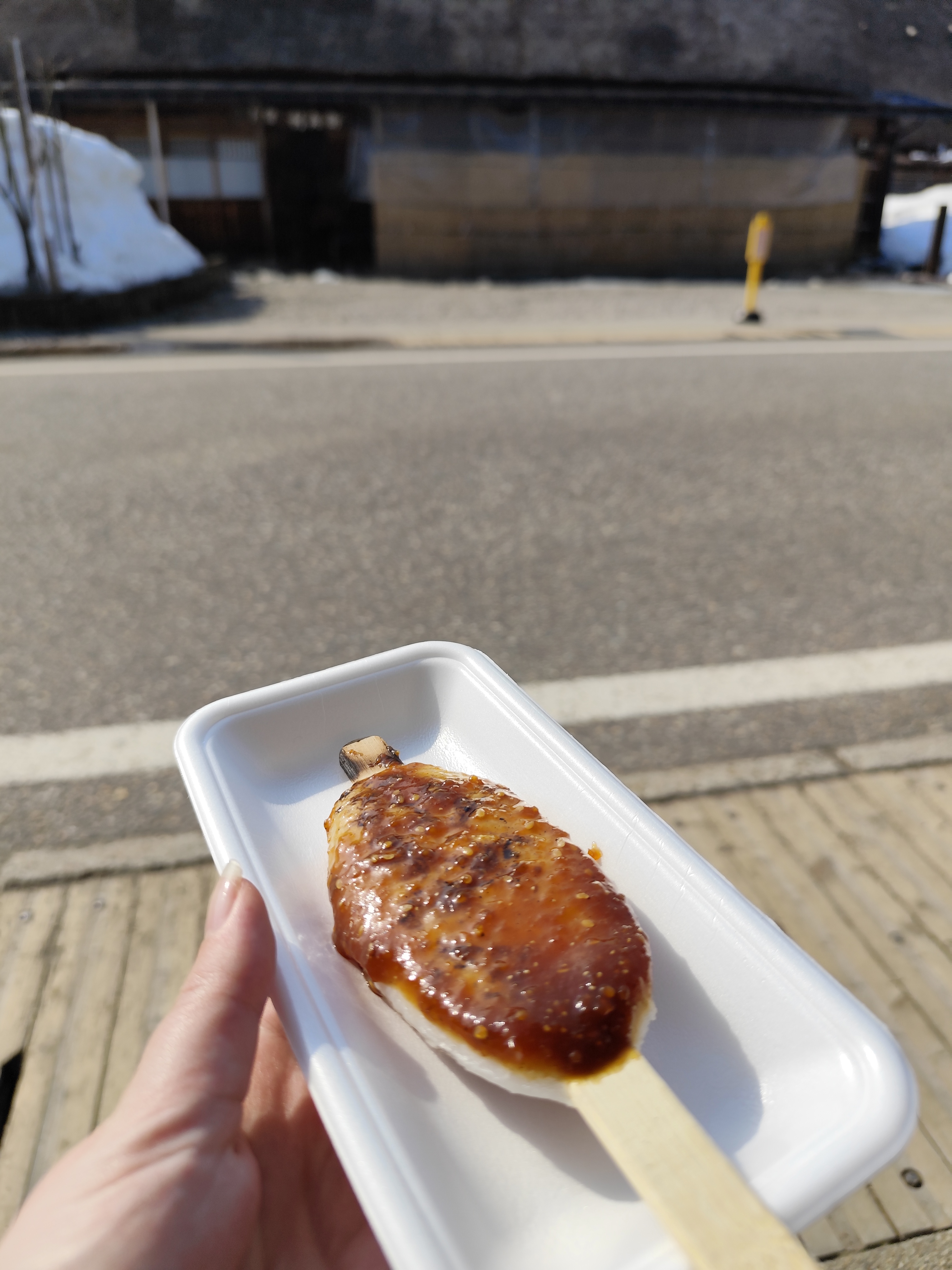
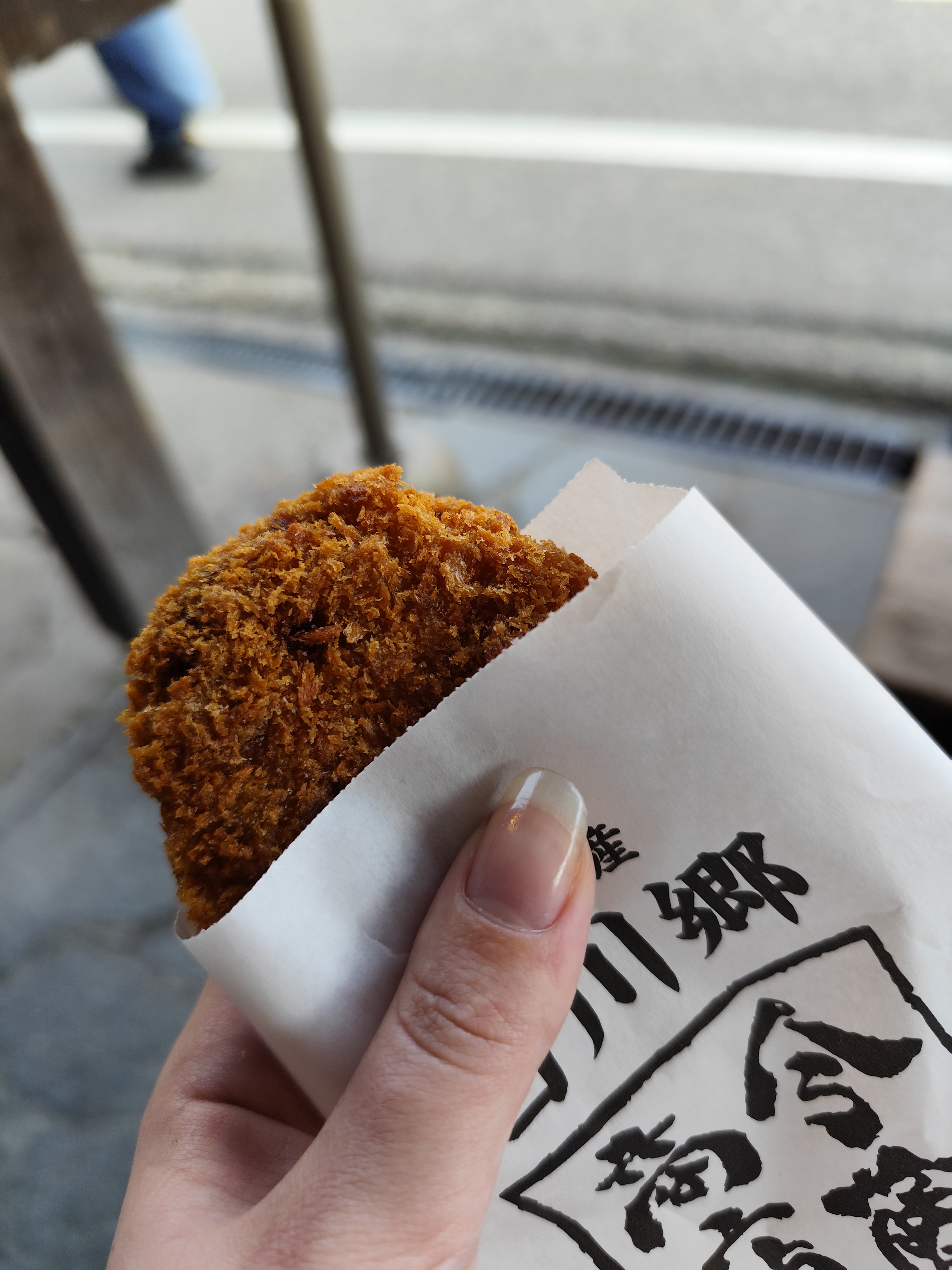
After that, I wandered around, bought some gohei mochi for my family. Here it’s gohei mochi with miso tare but different from the Narai ones.
I walked to the end of the village to get away from the crowd, there was not much to see, a tiny coffee shop and some ryokans.
In the village there was a renowned pudding place with around 20people queing outside (to show y’all how popular it was). There are many restaurants and boutiques, I found a nice ceramic vase in a ceramic shop owned by a family.
I didn’t visit many museums as I felt a bit overwhelmed with the crowd etc. but I think that they are very interesting especially with all the explanations displayed and worth visiting. I am actually tempted to either go back or try to go to Gokayama which is smaller and seems to be more quiet.
What to visit ?
- The outdoor museum : Gassho-zukuri minkaen (600yen will become 800yen in October)
- Jin Homura art museum (200yen for highschoolers or higher)
- The houses : Wada House (400yen); Kanda House (400yen); Nagase House (400yen)
- Myozenji temple’s museum (300yen)
- Tajima House and its sericulture museum (can also be visited for educational visits) (200yen)
- Binen Yumeromu museum (wood carving artist’s former house) (300yen)
- Toyama House Folk museum (to learn the life during the edo era) (300yen)
What to see ?
- Shiroyama viewpoint (Ogimachi castle keep) (there’s a lot of people so go early or in the evening) (300yen shuttle from the bus terminal)
- Ashikura Hachiman Shrine and Cedar Tree
- Shiramizu waterfalls
- Doburoku festival (series of harvest festivals from october 14th to 19th, held in different Shinto shrines)
- Hike to Hakusan / hikes in the Hakusan national park
- Oshirakawa outdoor hotspring
- Lake Hakusui (its blueness is beautiful)
- Nagase shinmei shrine
What to eat ?
- Soba noodles
- Hida beef
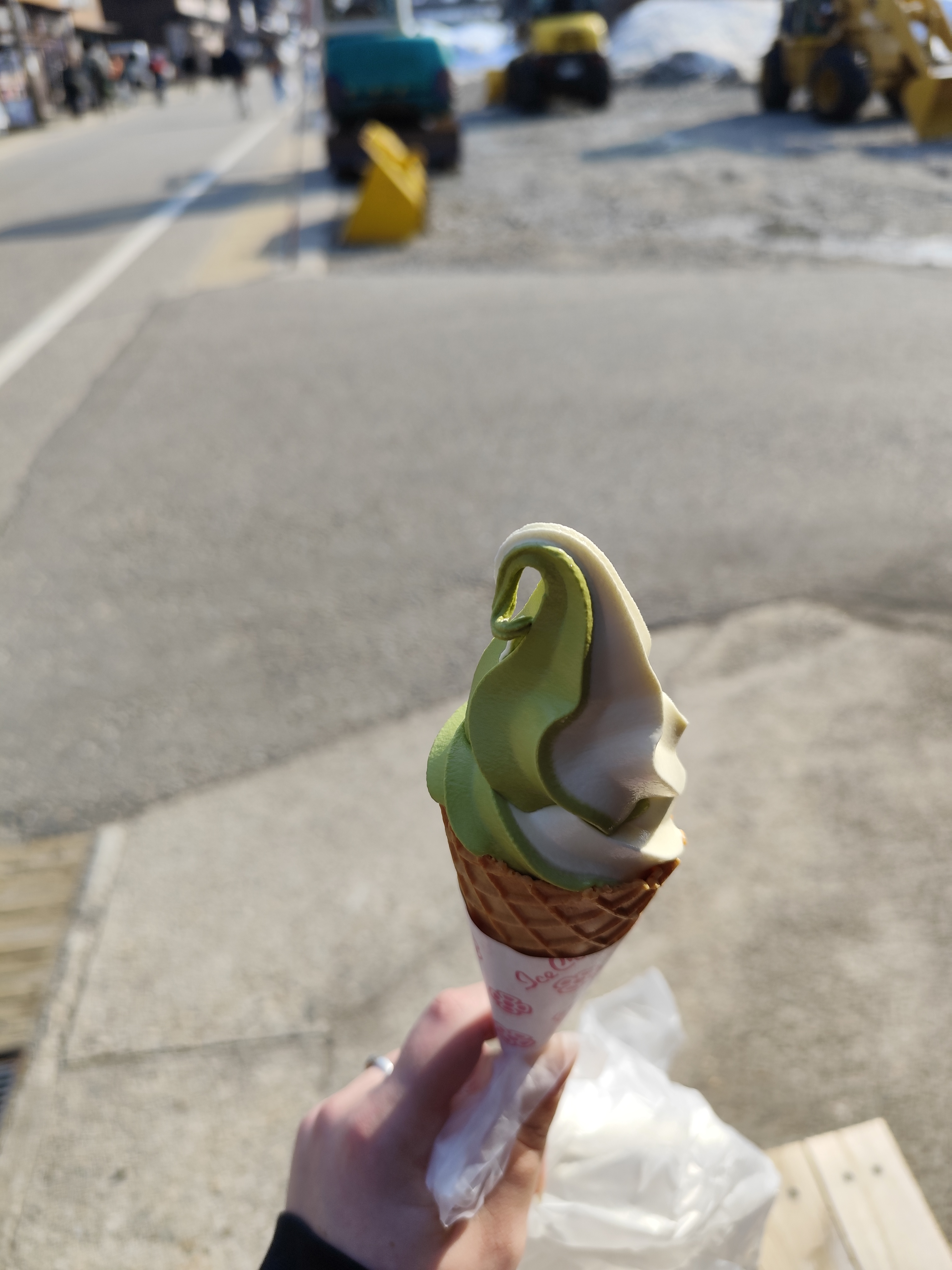
- Hida milk ice cream
- Gohei mochi with miso tare
- pudding
Useful websites :
- Tourism association
- Shirakawa village website (this is the one I used when I was looking for things to do in Shirakawago)
- To find a bus (Highwaybus)
- To find a bus (Japan bus online)
I liked the town a lot for its rustic charm but I prefered the Nakasendo post towns for the beauty and peacefulness of the region. I do think that it’s a town to see, maybe on a day or half-day, but it might be better in a season other than winter, to be able to hike etc. more routes might be open.



 Travel & Cake
Répondre à Day 10 : Kanazawa – See the World Annuler la réponse.