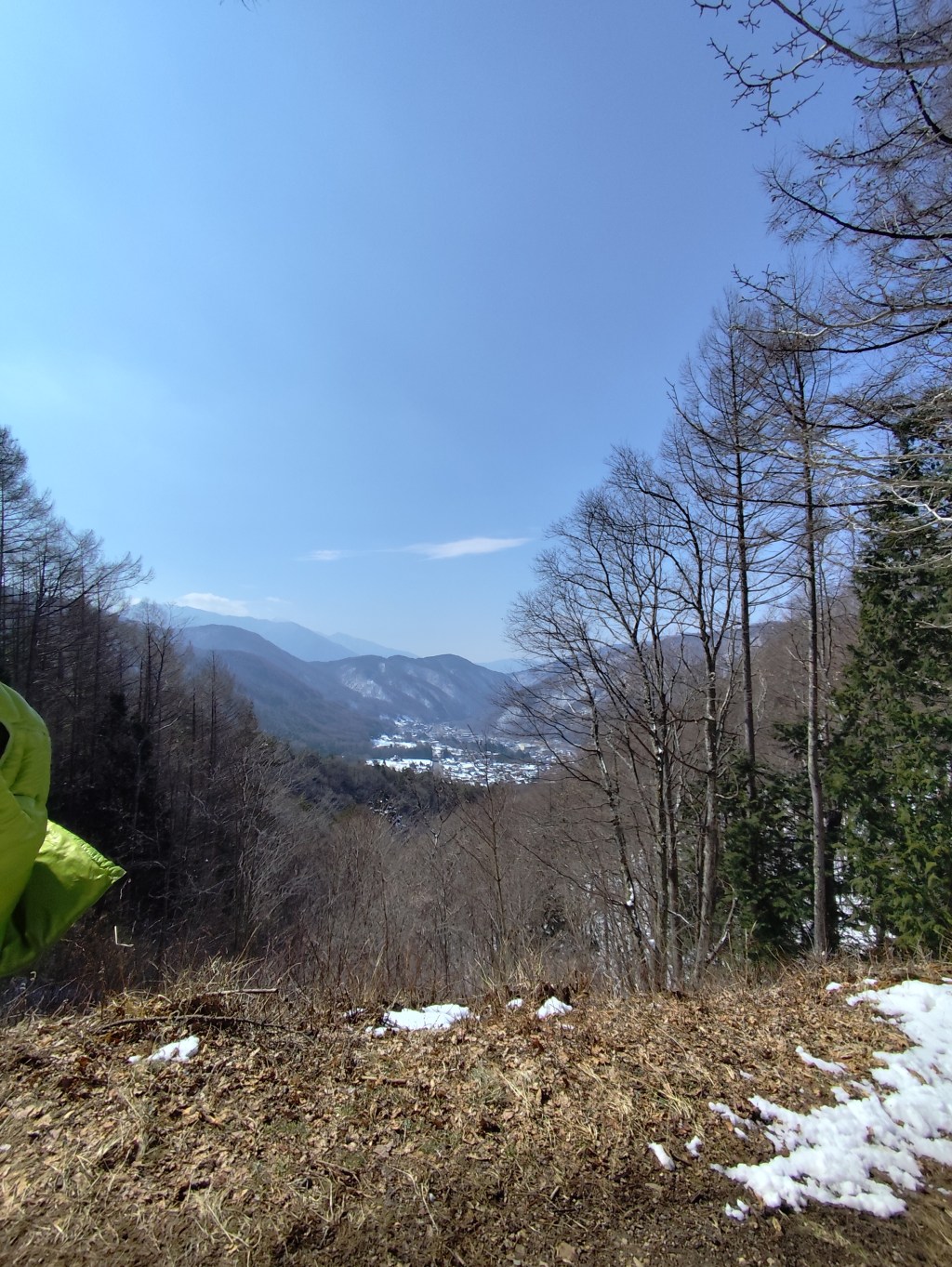
This is the 7th stop of my itinerant journey through Japan. The previous step was about the Magome-Nagiso part of the Nakasendo (to Nojiri), this one will be about the Yabuhara-Narai part! This time I wasn’t alone to hike! I met some really nice Australian people who told me to join them, it was really fun. I love the fact that hiking or solo travelling gives you an opportunity to meet so many new people from around the world.
Nakasendo
The Nakasendo is a trail going from Kyoto to Tokyo that was used by samourais and merchants during the Edo era. Walking along the trail, you will find marvelous landscapes and some resting areas and historic monuments.
The Nakasendo is very long to walk (540km) but if you just want to experience some peacefulness and nature, you can just walk from Magome-juku to Tsumago-juku or Nagiso city. I walked it the day before and decided to keep hiking! Therefore I went all the way to Yabuhara to walk the Nakasendo to Narai (which is beautiful!), this walk took us around 2 hours (spoiler alert: we skipped a bit of the trail…).
Yabuhara-Narai
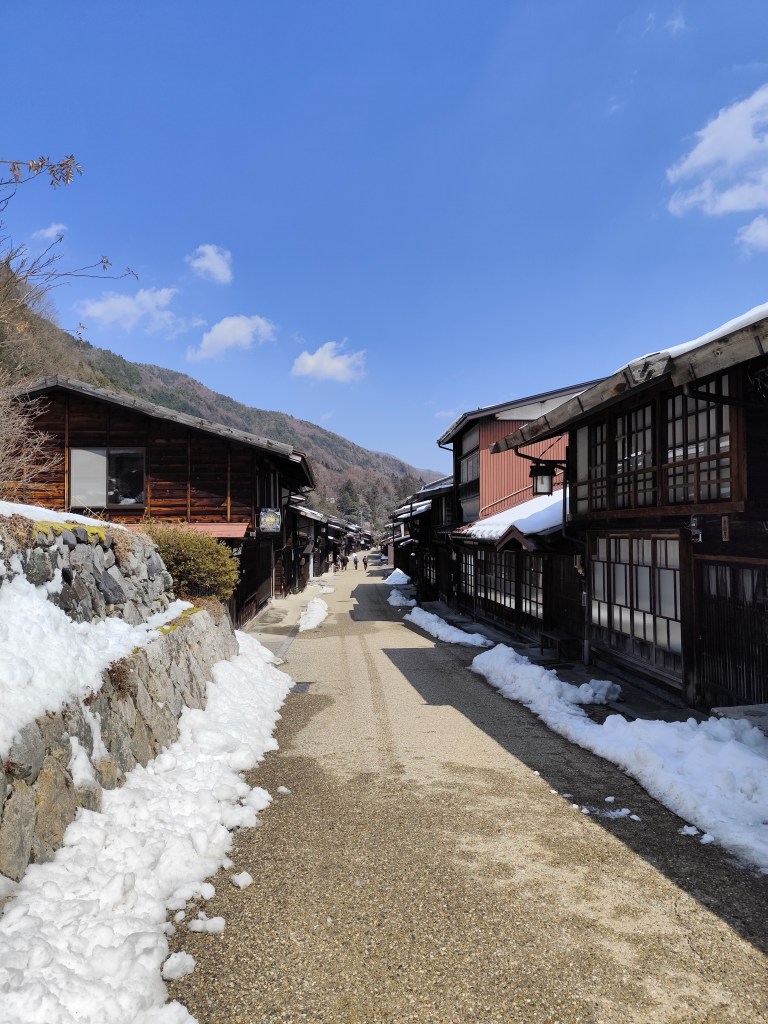
Yabuhara and Narai are two post-towns along the Nakasendo trail, Narai being the half-way point between Tokyo and Kyoto. Due to a lot of people stopping in Narai, it has many guesthouses and was called « the City of the Thousand houses ». It is, in my opinion, a beautiful town with all its wooden houses and shops, the shrine at the entrance of Narai-juku, etc.
Yabuhara
I didn’t visit Yabuhara-juku as well as the Tori Pass that we sadly missed on our way to Narai. However, there are some shrines to visit before catching up with the Nakasendo, such as Yabuhara Shrine and Gokakuji Shrine. You should definetly check out the old town and its Orokugushi comb shop carved from a green alder, it is said to have been used by a woman Oroku and that it cured her headache.
How to get to Yabuhara
From Nojiri:
- Train: Chuo Line, 680yen, 48min
From Narai:
- Hike: 8km~, 2h~, Nakasendo
- Train: Chuo Line, 200yen, 7min
From Nagiso:
- Train: Chuo Line, 860yen, 1h
Trail to Narai-juku
Departing from the station, there were already so hiker groups ready to hike the trail, they made me realize that I was way too unprepared for this hike. I quickly experienced it as I didn’t expect such stiff sections. By the way, I couldn’t send my bag to Narai (9000yen) so I as asked the Yabuhara station’s staff and they kept it for free. Otherwise you can start the trail from Narai and then leave your bags at the station for a small fee, either at a consigne or in coin lockers.
The Magome-Tsumago is really beginner-friendly but the Yabuhara-Narai’s level is a bit higher.
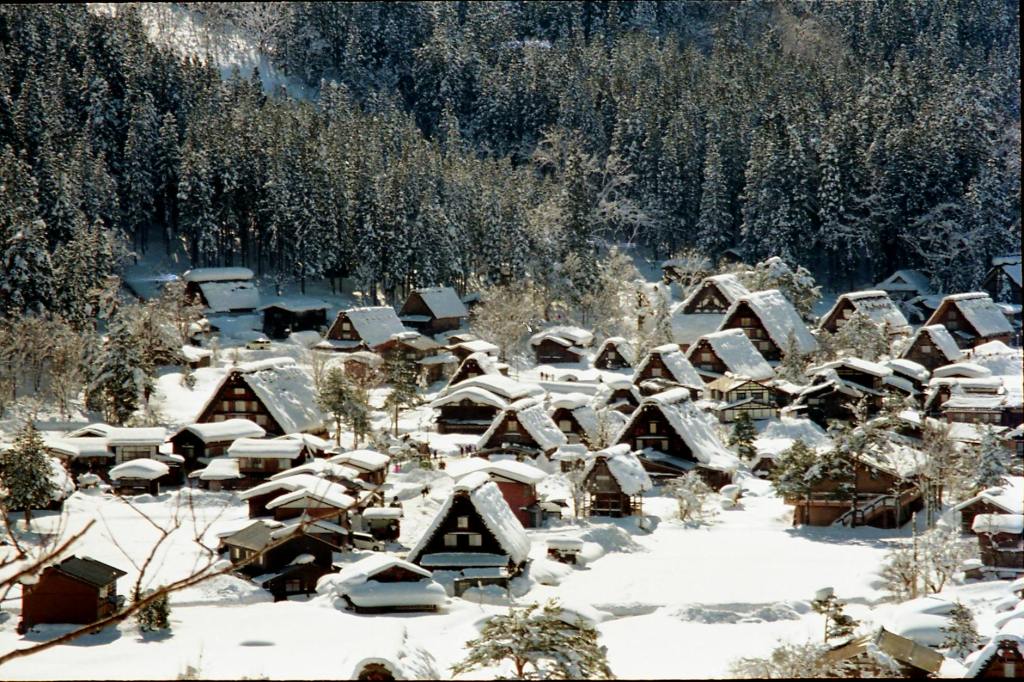
There was a family before me, we had about the same pace so as we kept following each other they invited me to join them. It was really nice but talking while trying to climb the hill is so hard! As it was a lot snowier than the trail from Magome to Tsumago, it was very slippery, so careful on the small wooden bridges!
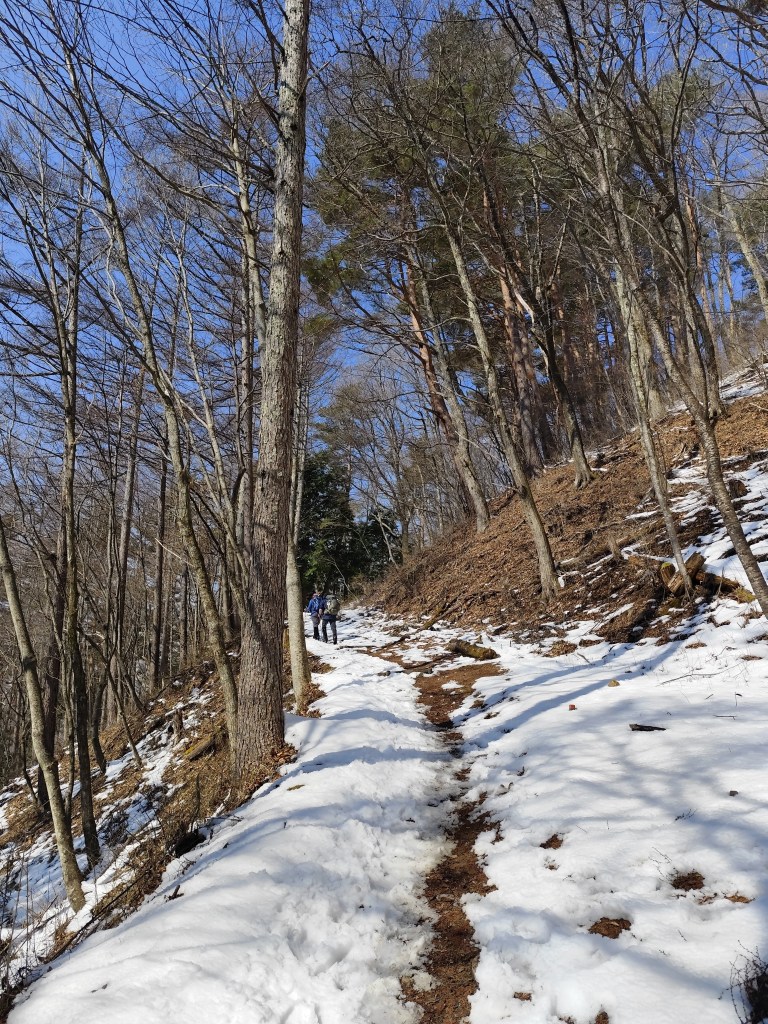
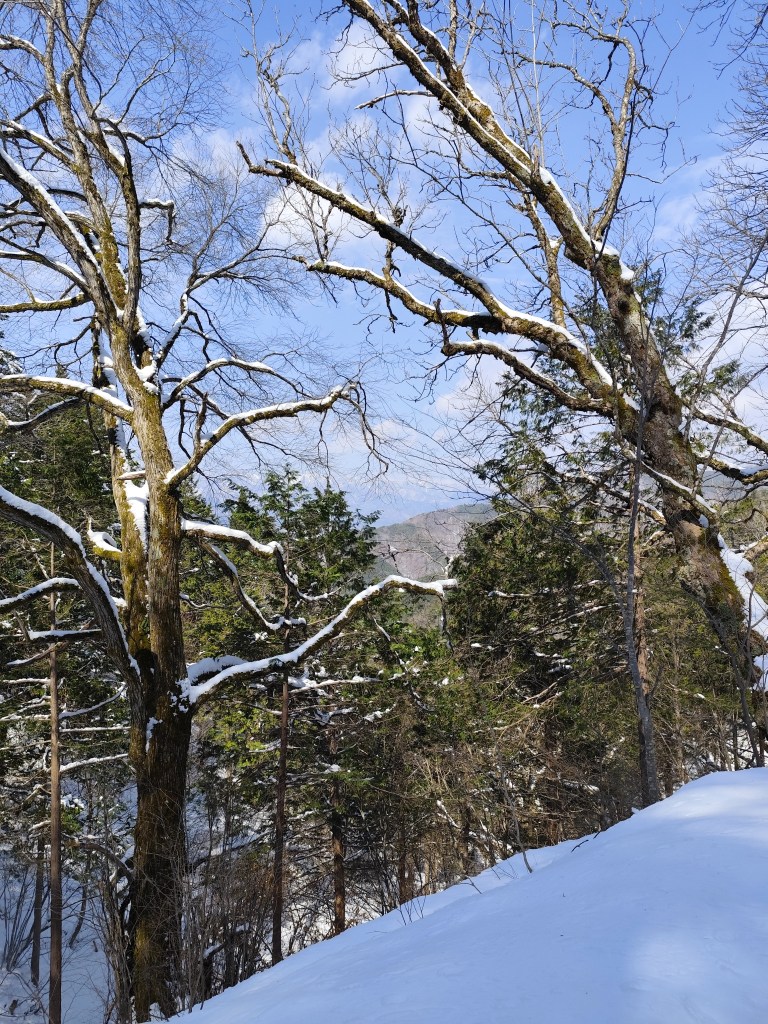
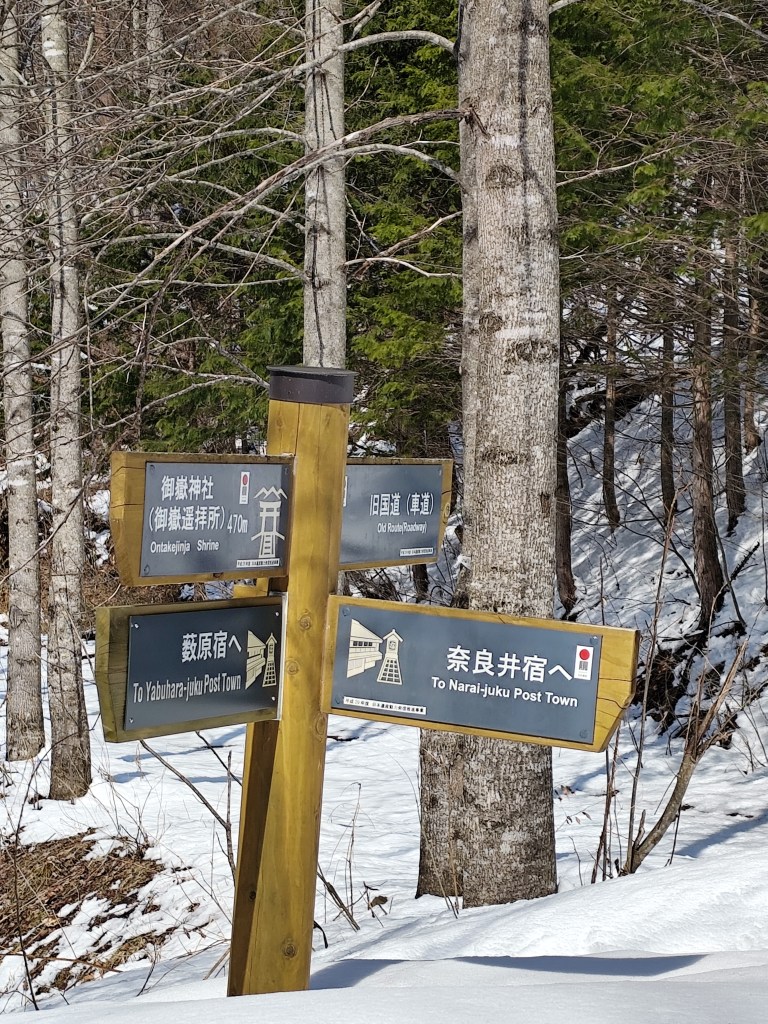
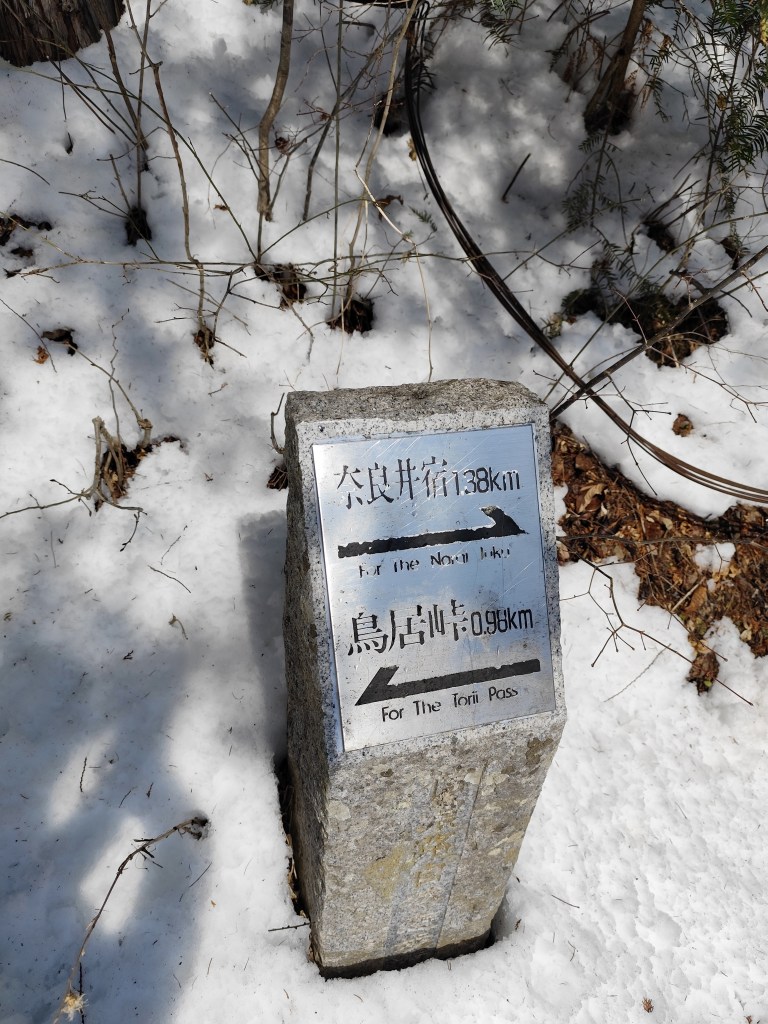
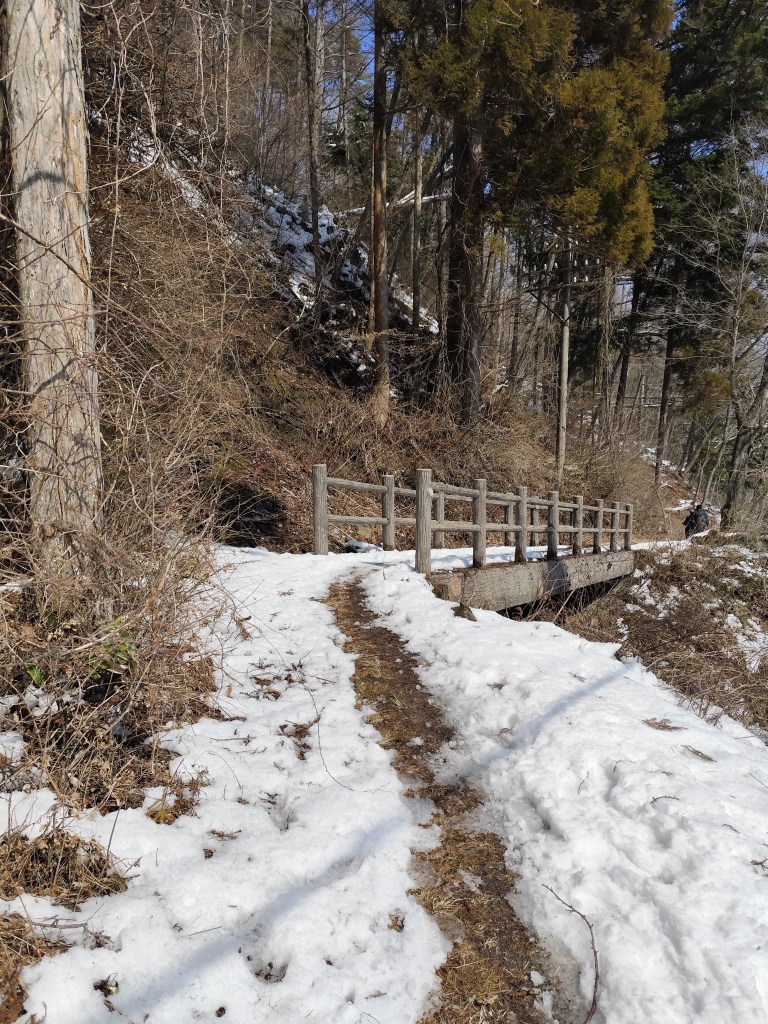
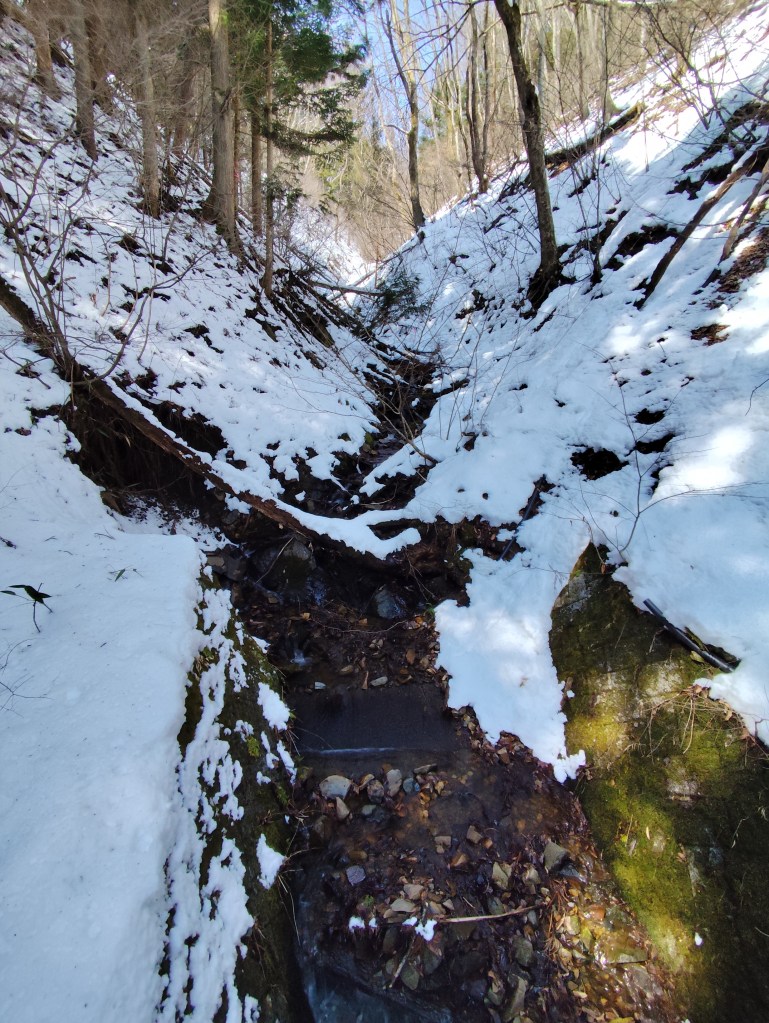
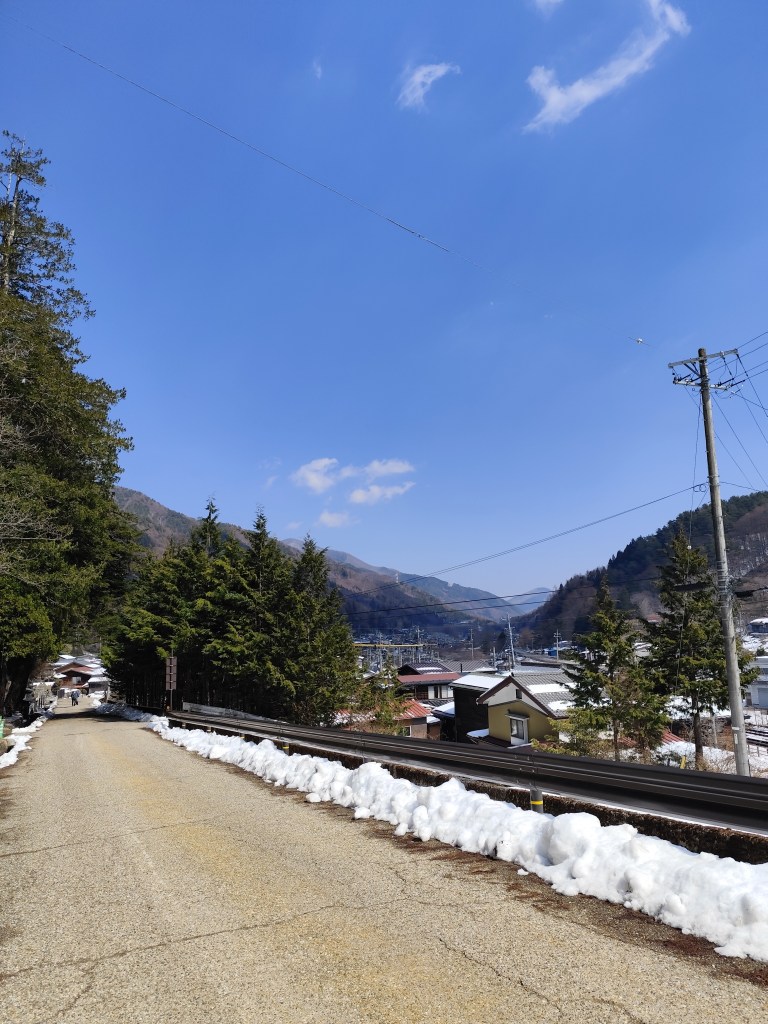
The landscapes were amazing that day too but I’d love to see it in summer or spring with all the wildlife and greenery.
Arriving in Narai there were still some stairs to walk down but it was covered in snow so no matter how we tried to take it, it ended up in a free slide ride. It was great!
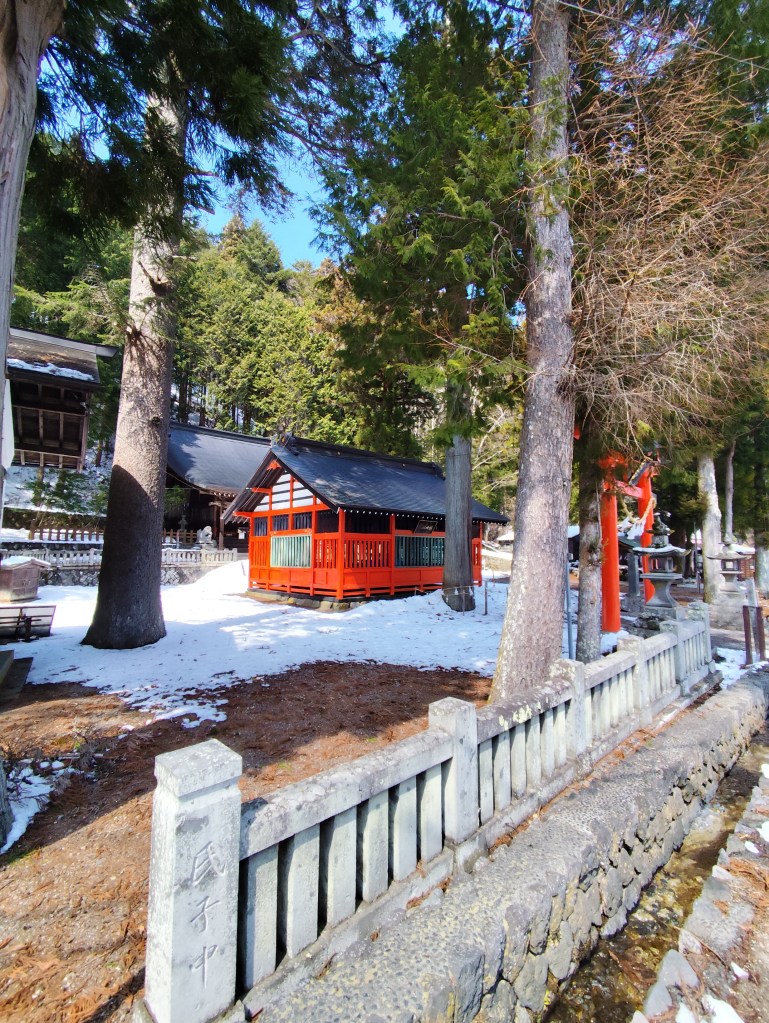
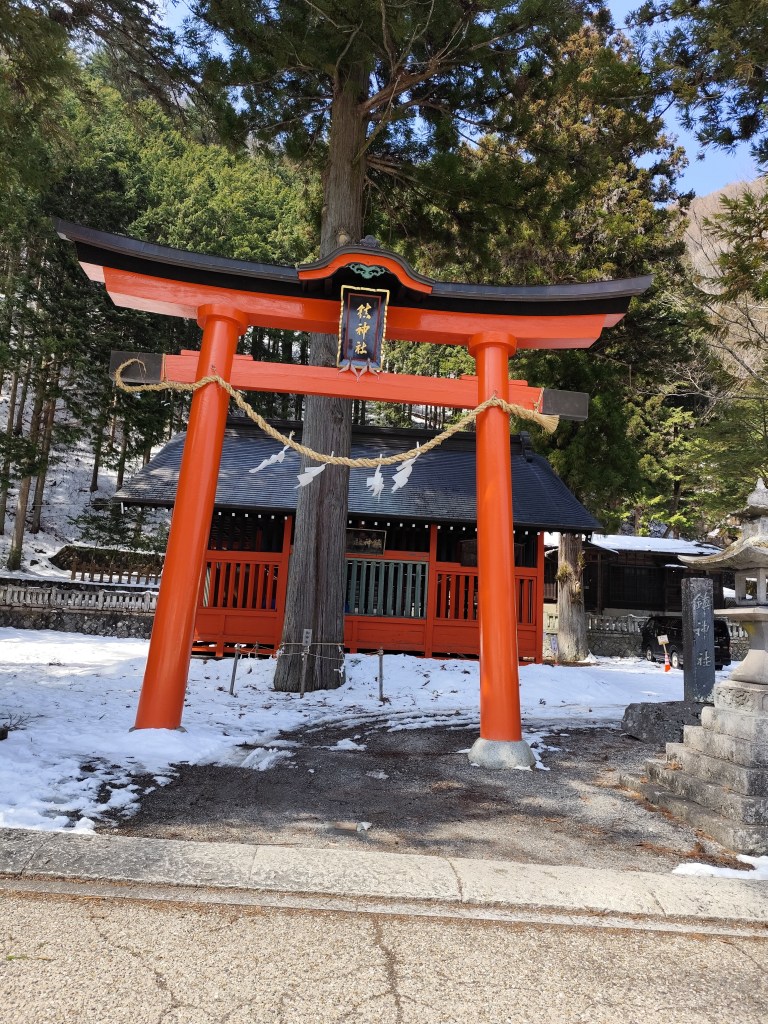
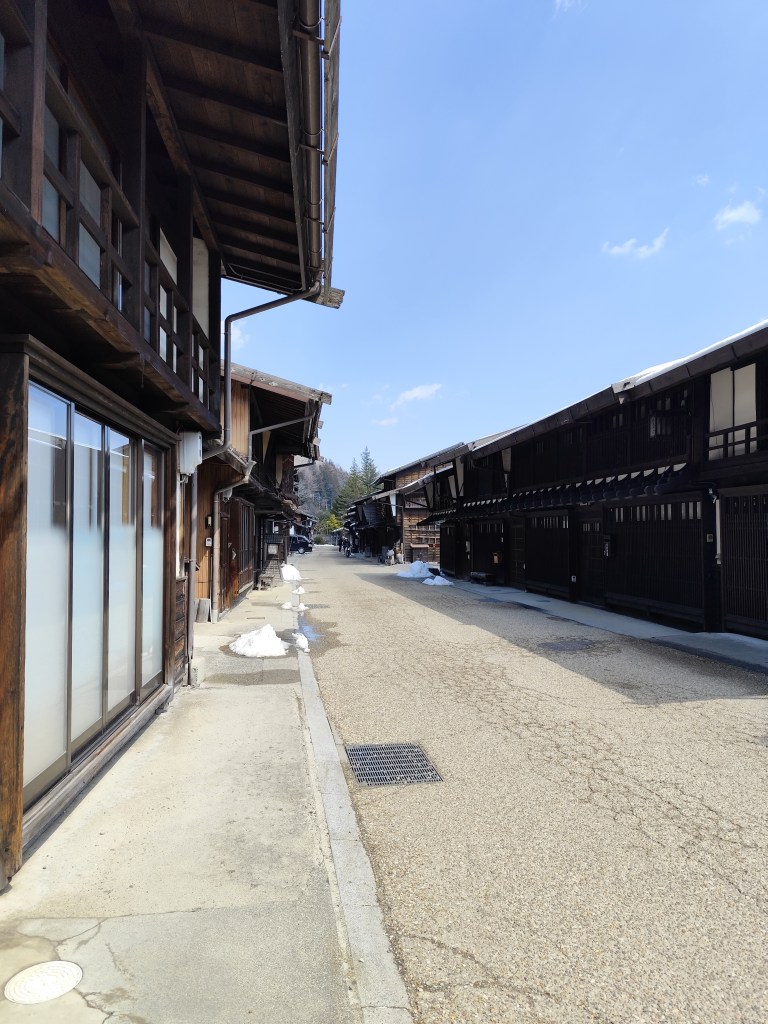
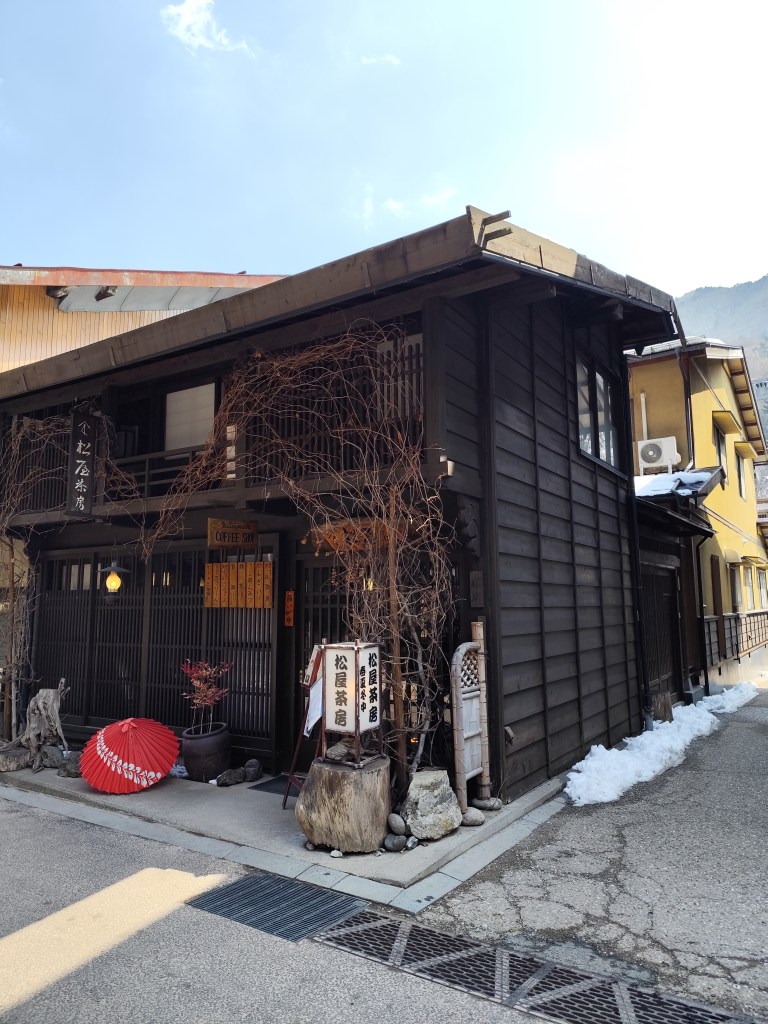
Starting from Shizume Shrine, we entered a town from another era, with all its edo-style buildings, along a 1 kilometer street, it was truly impressive.
What to do in Narai-juku?
- Narakawa history and folklore museum: the museum displays folklorique items and materials, showing of was life from the Edo period to the Showa period. Entries: 300yen for adults, highschoolers and college students, Free for middle schoolers and younger.
- Chosenji : bouddhist temple, built in 1366, by Gensho Kihon Osho. It has been destroyed by fire in 1582 and rebuilt several times since.
- Narai Castle’s ruins
- Try gohei mochi! I tried it at Komaya, the owner offered 3 tare flavors (paste put over the gohei mochi): black sesame, perilla and miso sancho, each is 100yen, he also as grilled dango!
- Take a look at the magemono and laquered items
I’d recommend wandering around, even going out of the main street to see sanctuaries, shrines or old places that you wouldn’t see if you followed the books.
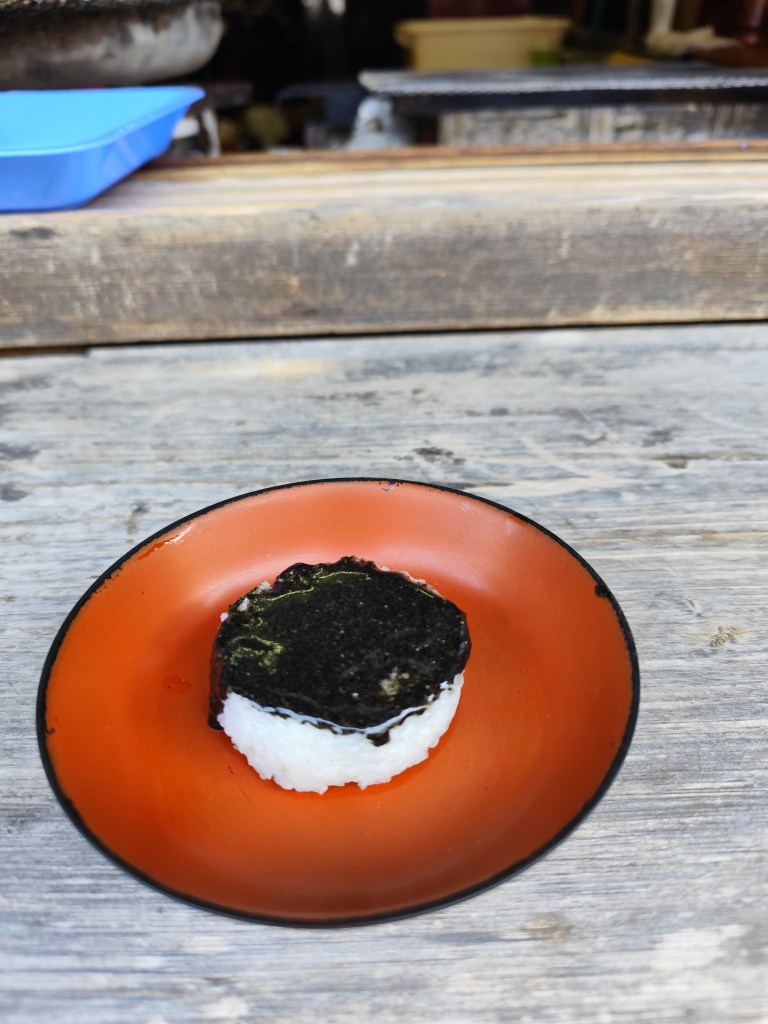
After wandering around in Narai and having gohei mochi, I swear they’re amazing, I only had the black sesame one at first but had to try the others! I headed towards the station, to go back to Yabuhara, pick up my bag and rush to get a new ticket and hop back on the train to Kiso as the soonest train to Matsumoto didn’t stop in Yabuhara. I had an hour to wait in Kiso so I went to visit a bit and get some lunch, chatted with people at the station. Japanese people are very curious and happy to chat with you about where you’re from and all that!
I took the train to Matsumoto and actually missed the stop so I had to take the train all the way back from Nagano, I was exhausted but it was fun!
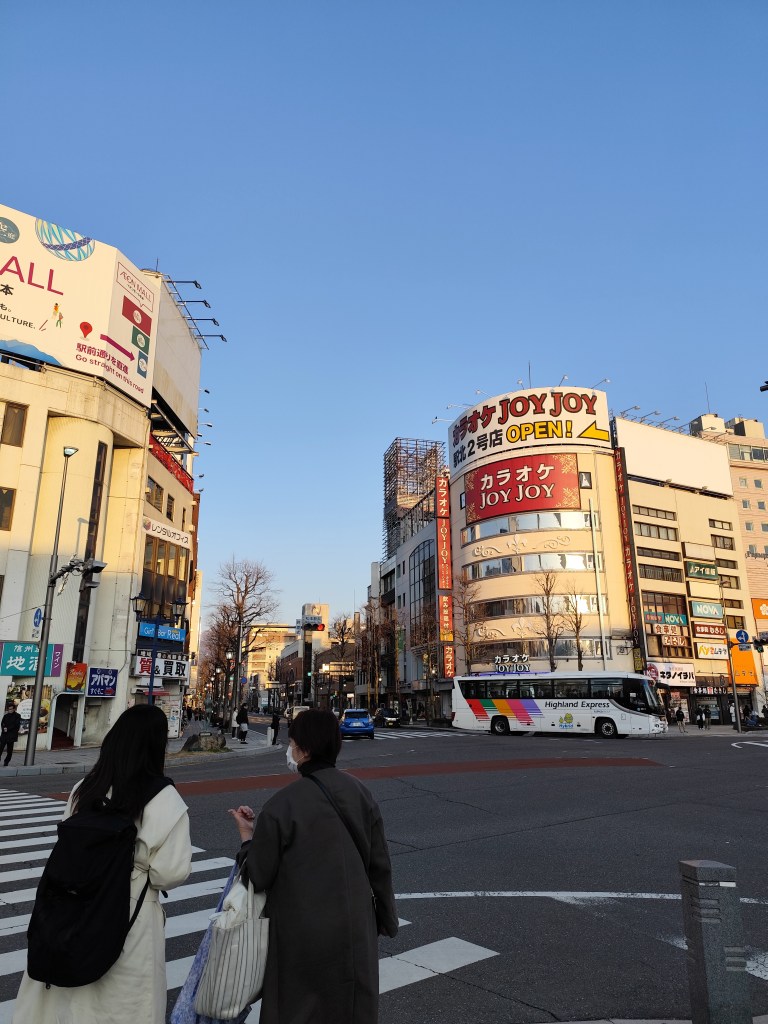
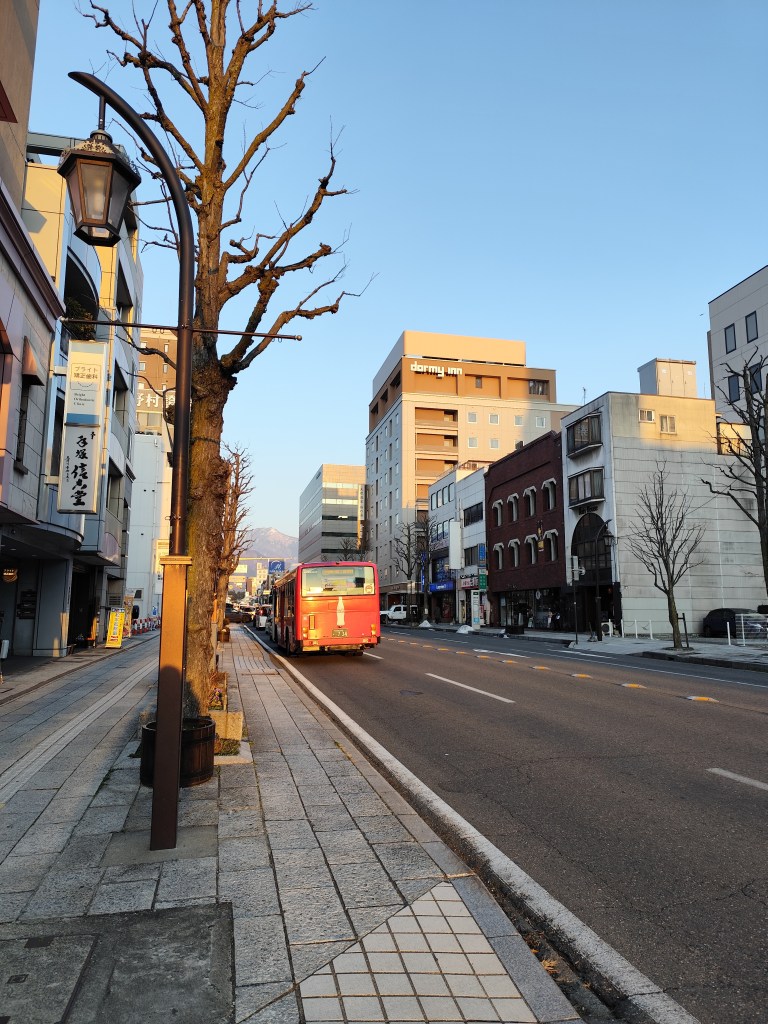
Arriving in Matsumoto, I bought some food for dinner and headed to Minka House, hostel where I was gonna stay at for the next 2 nights.
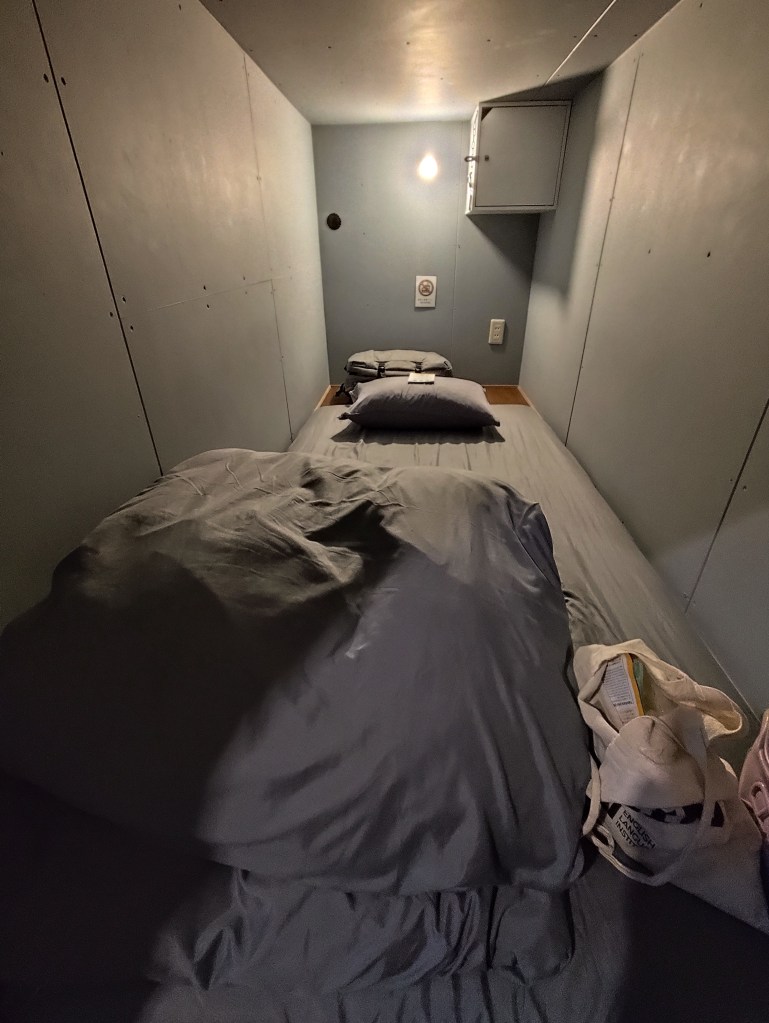
There again there was a shared lounge, with cooking facilities, bathrooms, towels and other items that you could need for a night. The beds were spacious and it was very calm. Many hikers stop there on their way to the Nakasendo or other trails in the Japanese Alps. I met many nice people there too, from Australia, Japan, France, Taiwan and Israel. It’s really nice as you can get recommendations from other travelers!

I enjoyed this day and the hike from Yabuhara to Narai but I think I still prefer the Magome-Tsumago part! I can’t wait to go back and walk the Atera Valley’s trail! Next stop: Matsumoto



 Travel & Cake
Laisser un commentaire