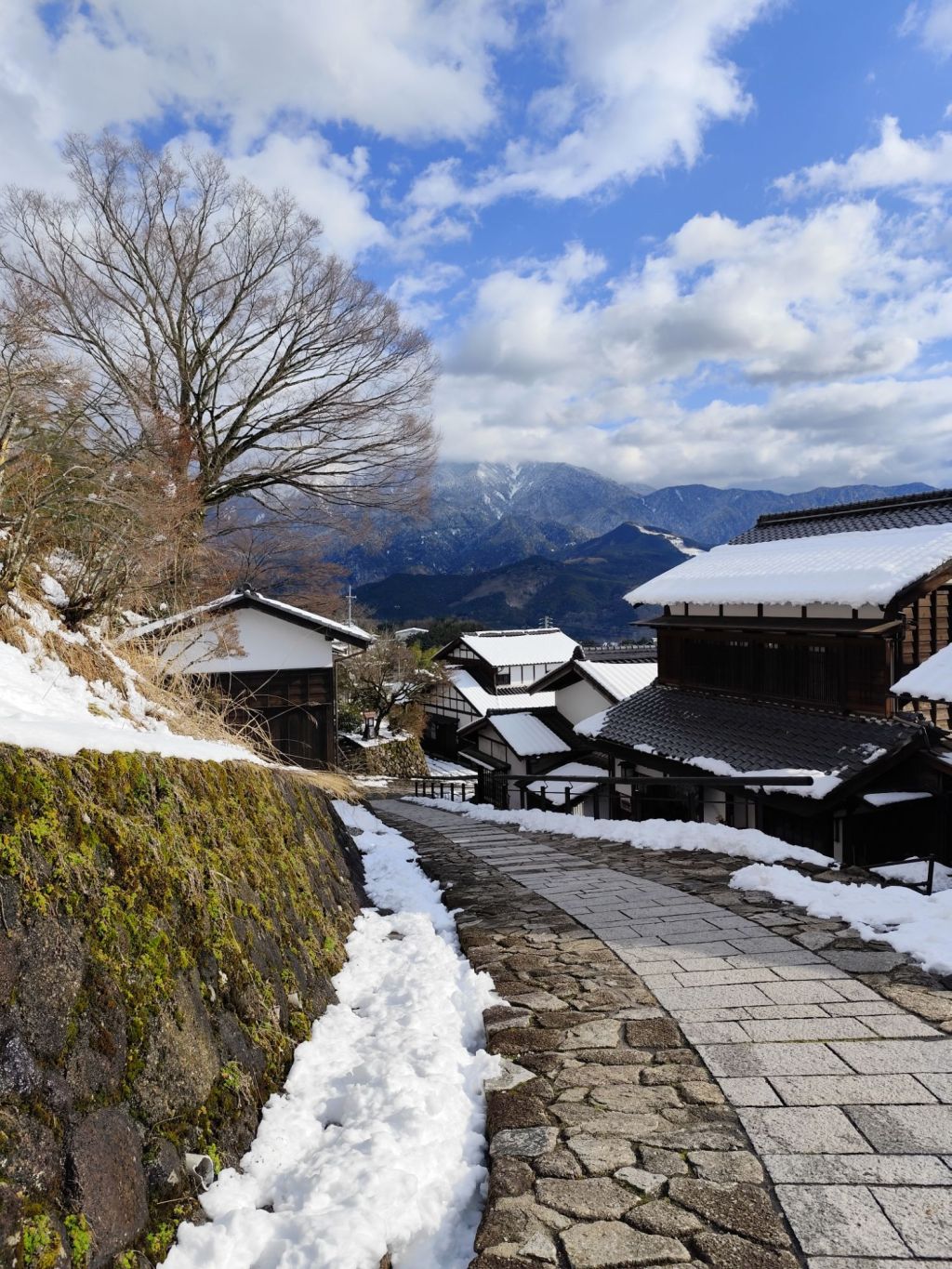
This article is gonna be about stop 5 and 6, as we are talking about the most visited part of the Nakasendo.
There are 2 grand trails from Kyoto to Tokyo, one going through the mountains, the Nakasendo trail, and the other one running along the coastside, the Tokaido trail. Part of the Nakasendo, Magome-juku was used as a post-town during the Edo era. It is now a great resting place for hikers walking the Nakasendo trail.
Nakasendo
The Nakasendo is a trail going from Kyoto to Tokyo that was used by samourais and merchants during the Edo era. Walking along the trail, you will find marvelous landscapes and some tea houses for a break on your way to the next post-town.
The Nakasendo is very long to walk (540km) but if you just want to experience some peacefulness and nature, you can just walk from Magome-juku to Tsumago-juku or Nagiso city.
Day 5 : Magome-juku
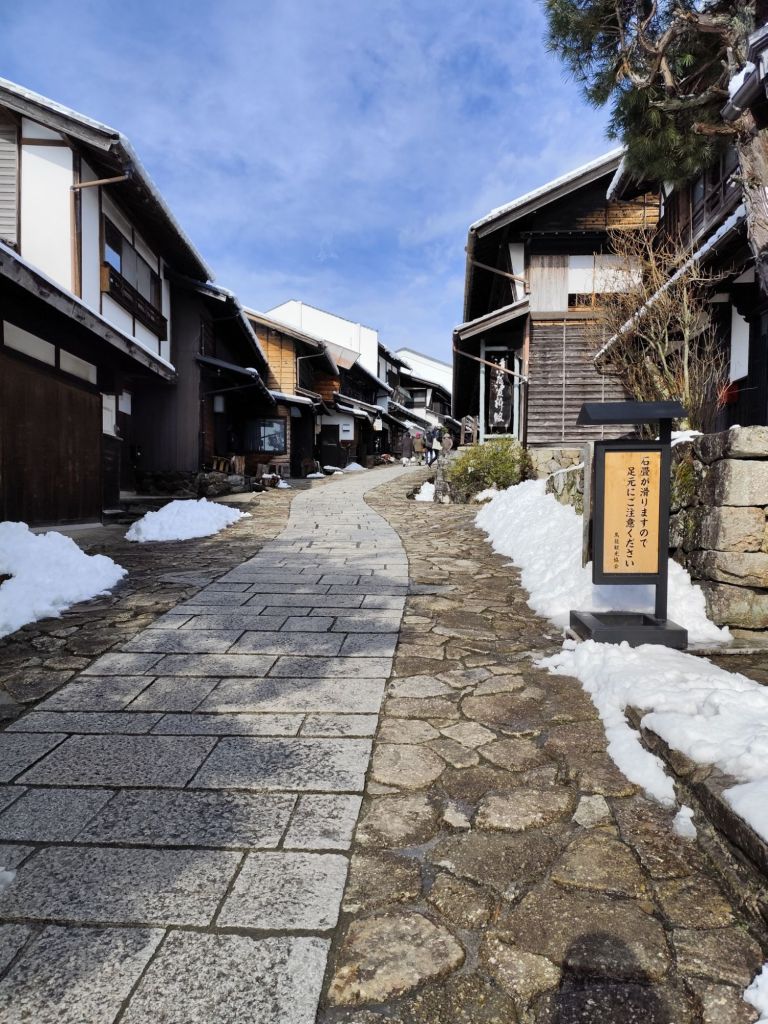
Magome-juku is a small town at 2h30 walk from Nakatsugawa or 25min by bus from Nakatsugawa station.
It is an old samurai post-town with charming old-style houses, some museums and local food restaurants.
What to do/see?
Magome is a very small town so you can cross it in less than 30min but there are still some things to do such as:
- Toson Memorial Museum, in Honjin inn, birthplace of the author.
- Second floor of Tsuchimaya Shiryokan, another small museum about Toson, displaying items of his family and early Meiji era items.
- Wakihonjin Historical Museum, displaying everyday life items, tools, etc. It introduces the culture and system during the Edo period.
- Shimizuya Shiryokan, small museum displaying goods that belonged to residents (clothing, pottery, etc).
In terms of stores, there are lots of souvenir shops but you can find a lot of similar items along the Nakasendo. So don’t fill your bag from the start, especially if you’re going to Tsumago which has more shops.
For the food, I started exploring the town quite late due to transportation issues so most of the restaurants and shops we closing.
I only tried some street food, it was a veggies filled bun (« Oyaki ») which was really good, from the restaurant before Magome-chaya. Another speciality of Magome and more widely of the Kiso Valley is the goheimochi that you can fin here at Sirokiya. It’s a slightly toasted mochi with tare (a kind of paste with miso or golden sesame or black sesame). Soba noodles are also a speciality that you will find in most restaurants in every city of the Kiso Valley.
Around the city :
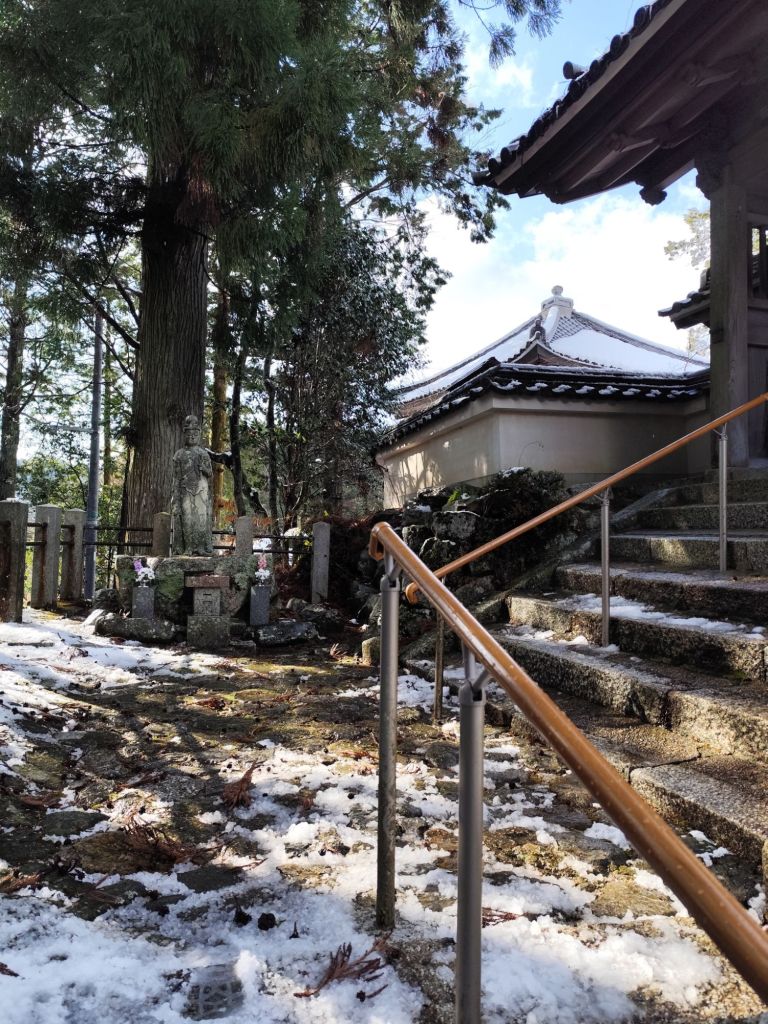
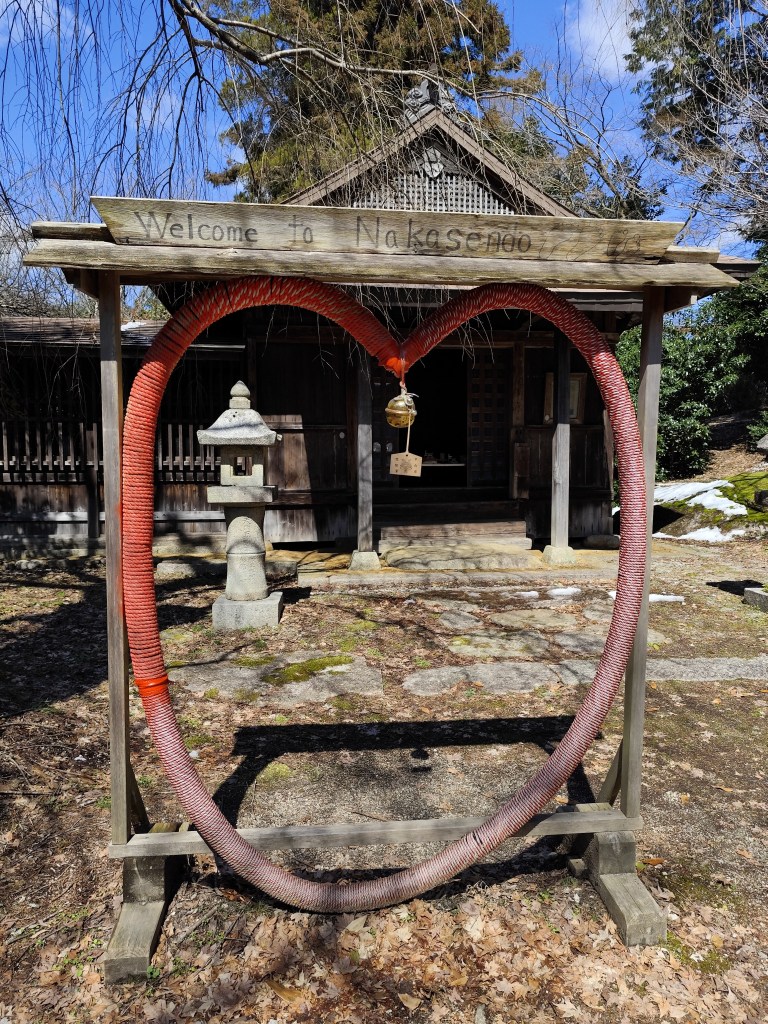
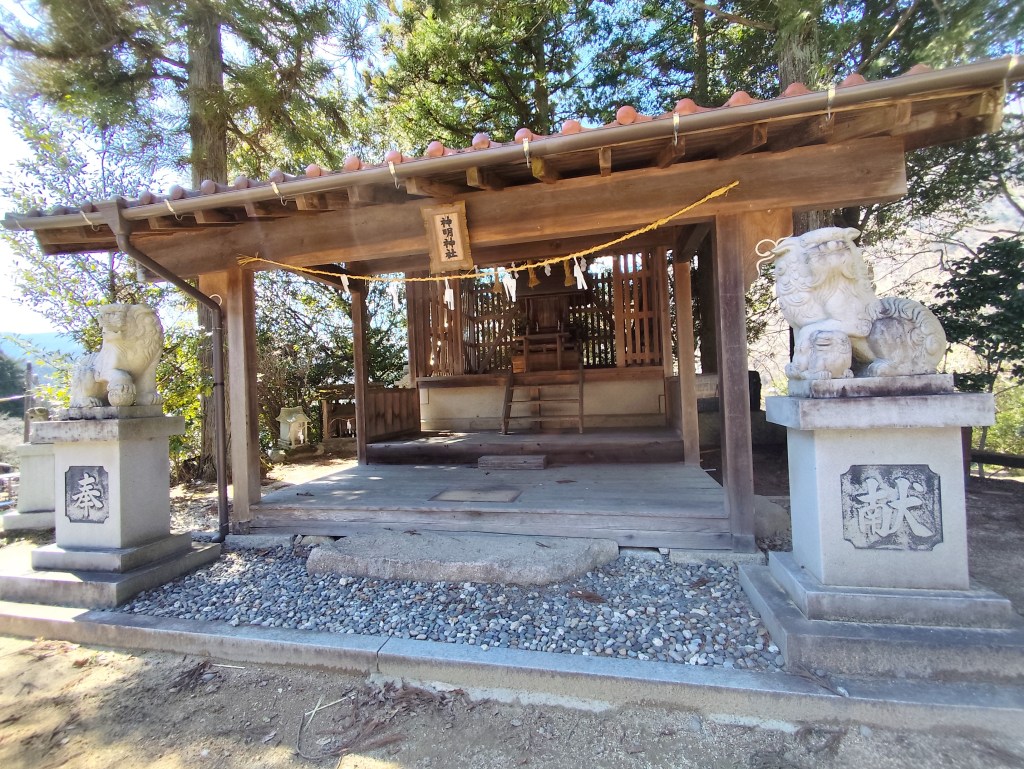
You can walk 3min to a small shrine (Manpuku-an Eishoji) up a hill, there’s no one around which makes it even more peaceful.
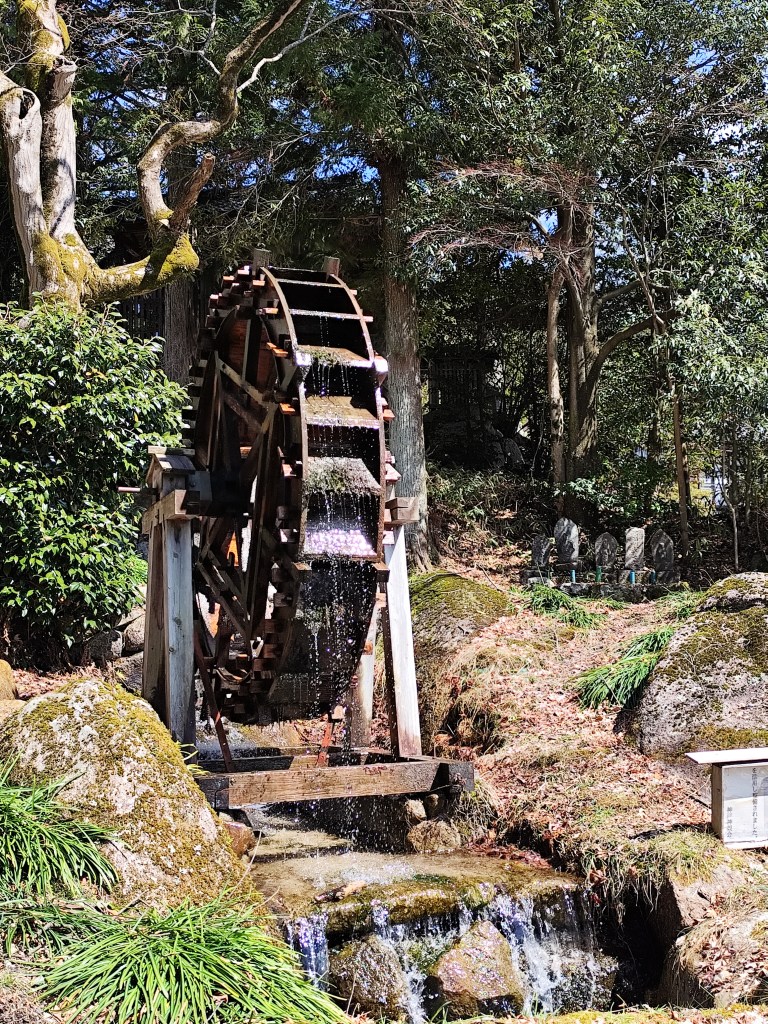
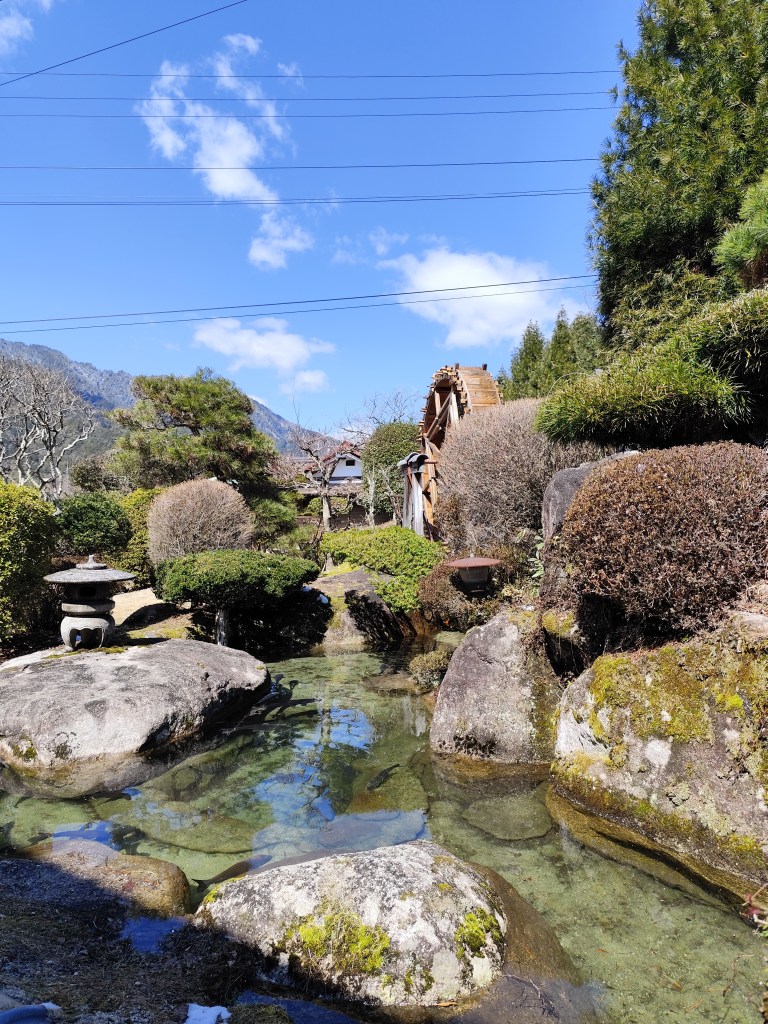
There are many places to take pictures of/with, such as all the water-wheels along the main street, or just the beautiful edo-style buildings.
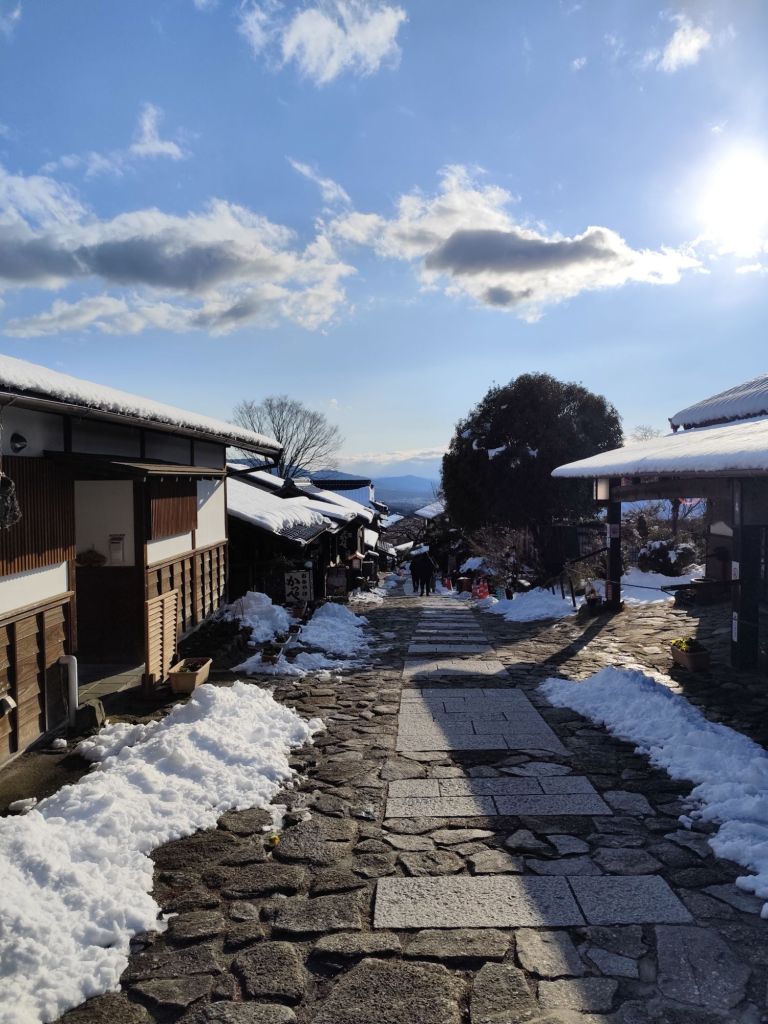
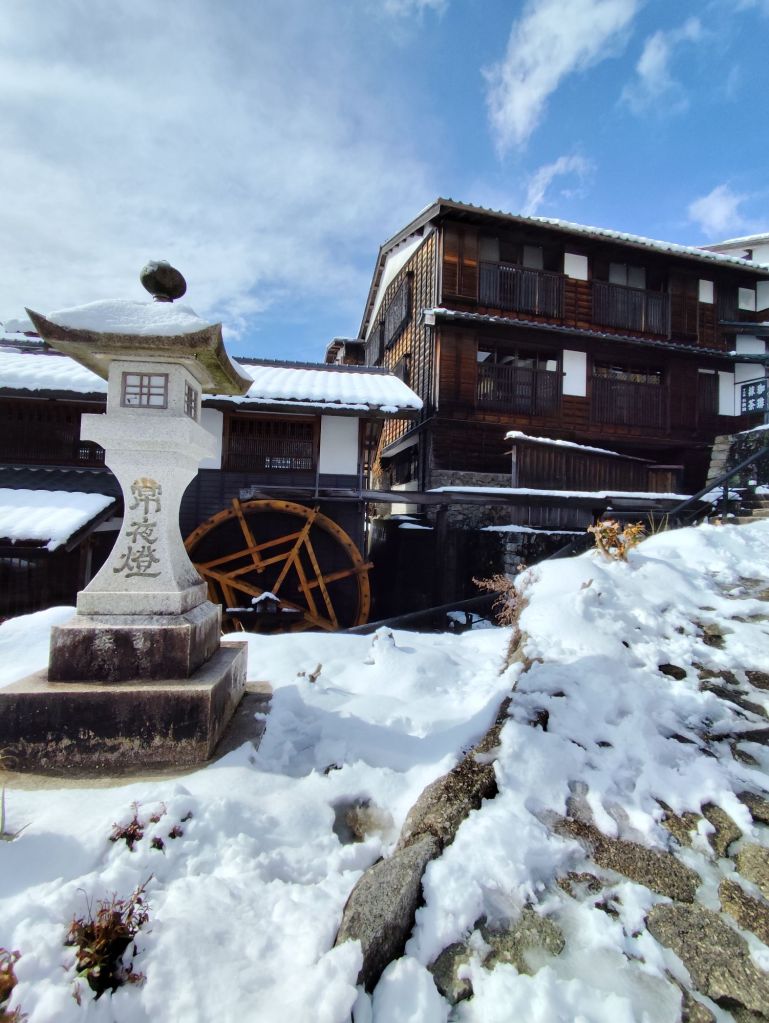
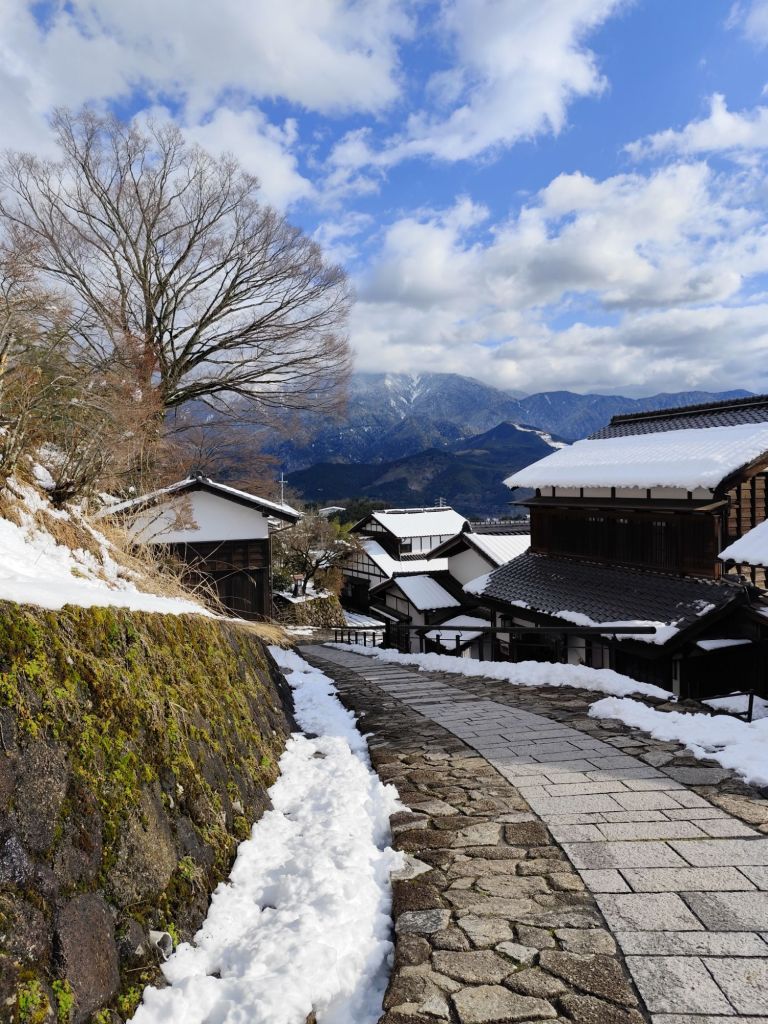
You can also take the 2-hours-hike to Ochiai or even all the way to Nakatsugawa, I didn’t but it seems beautiful!
Where to stay?
*Some accomodations might not be open in winter/only in summer*
In Magome you will enjoy Japanese-style inns called Ryokan. They are more or less expensive but it is a very nice place to spend at least one night during a trip to Japan. I would even say that it’s a must!
I stayed in Magome-chaya in a shared room so it was not too expensive for a Ryokan but still a bit expensive for a shared room (31€, so 4950yen). This formule didn’t include the breakfast (1210yen) nor dinner (3630yen). You have access to a laundry room, onsen (in the main building), showers, a common room and a kitchen).
There are many inns in along the main street such as Tajiyama (9000-11000yen but depends, way more expensive on booking), Guesthouse Nedoko (which looks amazing!) (~60-70€, so 10000yen), Sakanomichi (starts from 22000yen per room per night), etc.
There are many inns, even a bit outside the city, so I recommend checking on booking, maps (to get their websites), Magome’s tourism website and blogs to find and compare more accommodations.
How to get there?
By foot as by bus there are many ways to go to Magome-juku especially during high season.
I came all the way from Nagoya so I took the Chuo Line, which is quite inexpensive (1340yen), to Nakatsugawa and then the M bus to Magome. The bus stops just next to the tourist info office.
Be careful in winter, due to heavy snowfalls there might be some delay so leave a bit early to be sure to have time to visit or hike at least in the afternoon. I got stuck in Mizunami for 2h30 due to bamboo falls on the way to Nakatsugawa.
Other ways to go to Magome-juku:
From Nakatsugawa:
- Bus: 25min, from the station’s stop n°3, bus M
- Hike: ~3h20, from Nakatsugawa station, Nakasendo trail, 8.1km
From Tsumago-juku:
- Bus: 21min, from Tsumago bus stop to Iwata bus stop, Magome line
- Hike: ~3h (depending on the person), Nakasendo trail
Day 6 : Tsumago/Nojiri
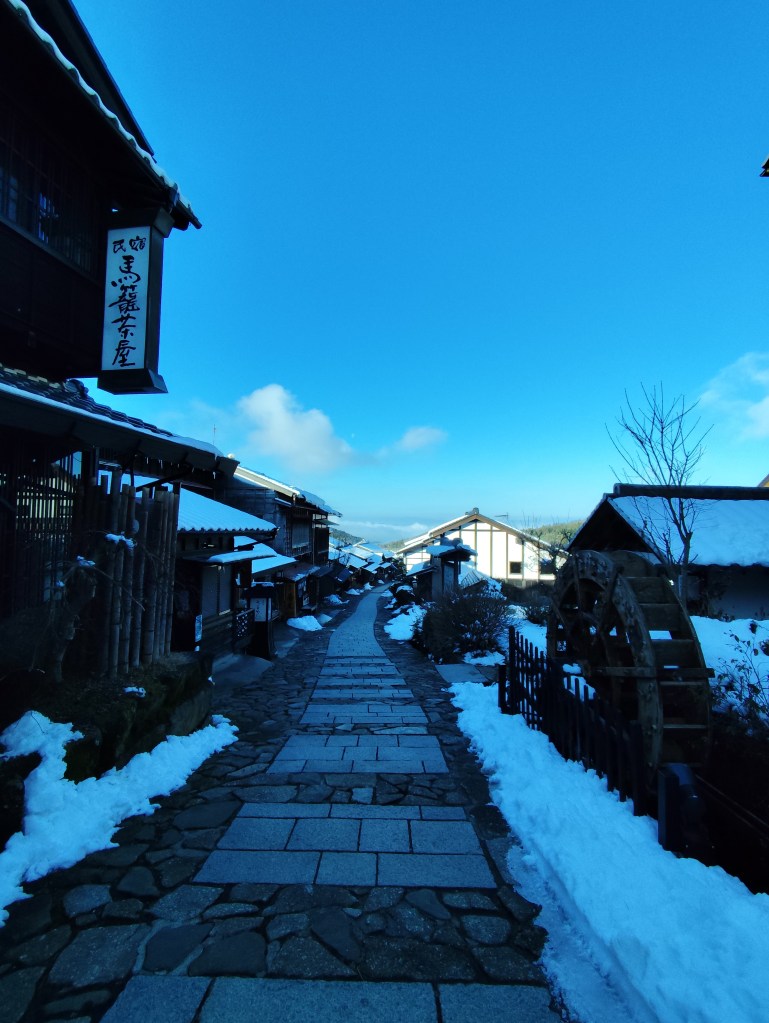
Day 6 starts at 6 a.m., I left my bag at the reception at 7h30 to send it to my next hotel (フォレスパ木曽あてら荘) with NLTS. I called them the very morning and they are very friendly and accommodating. (about 3000yen)
Around 8 a.m. I started the hike to Tsumago-juku! There was no one as it was still breakfast time for most people, so I had the forest all for myself. It was really quite and beautiful. There were some obstacles such as fallen bamboos but it was fun.
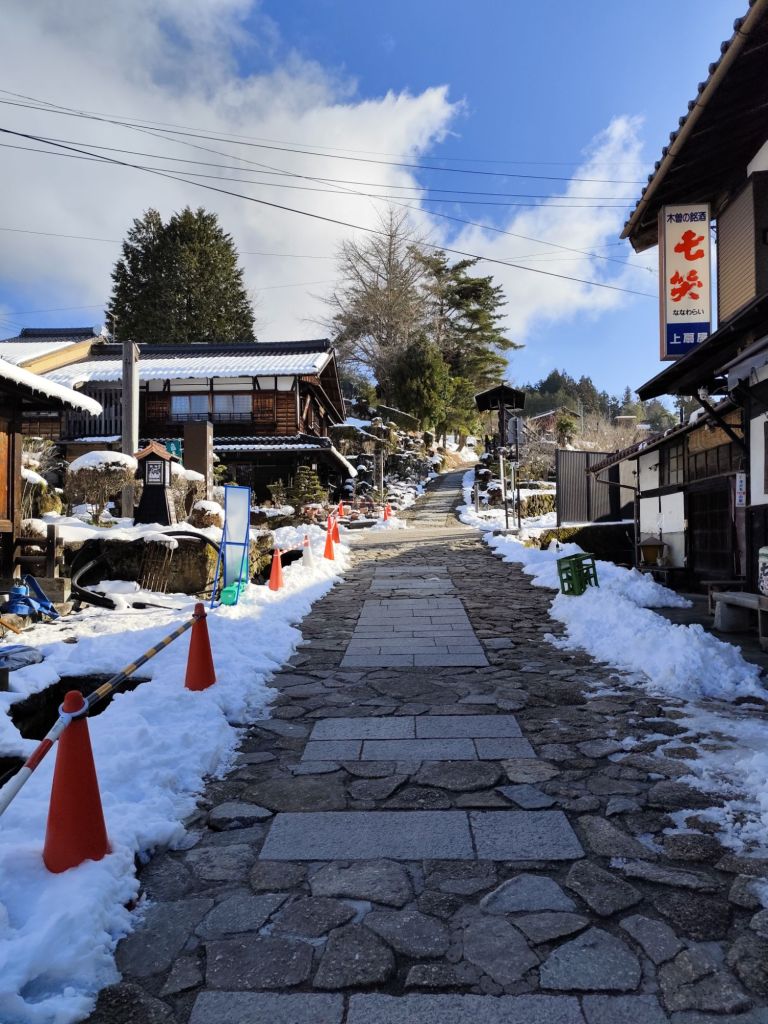
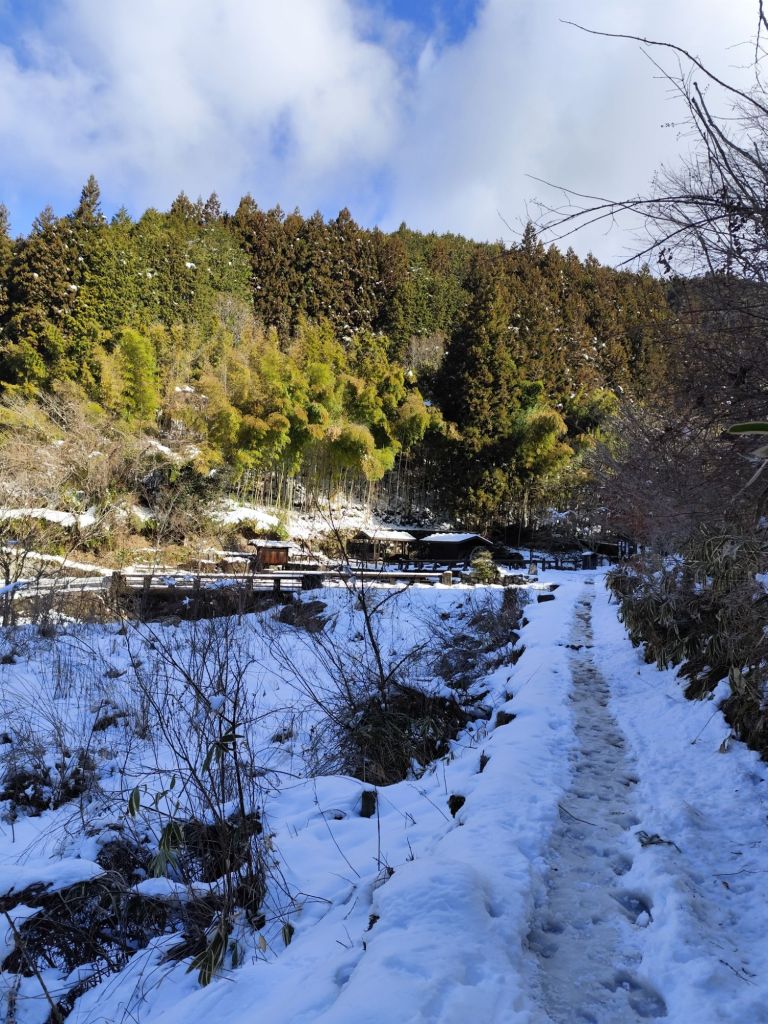
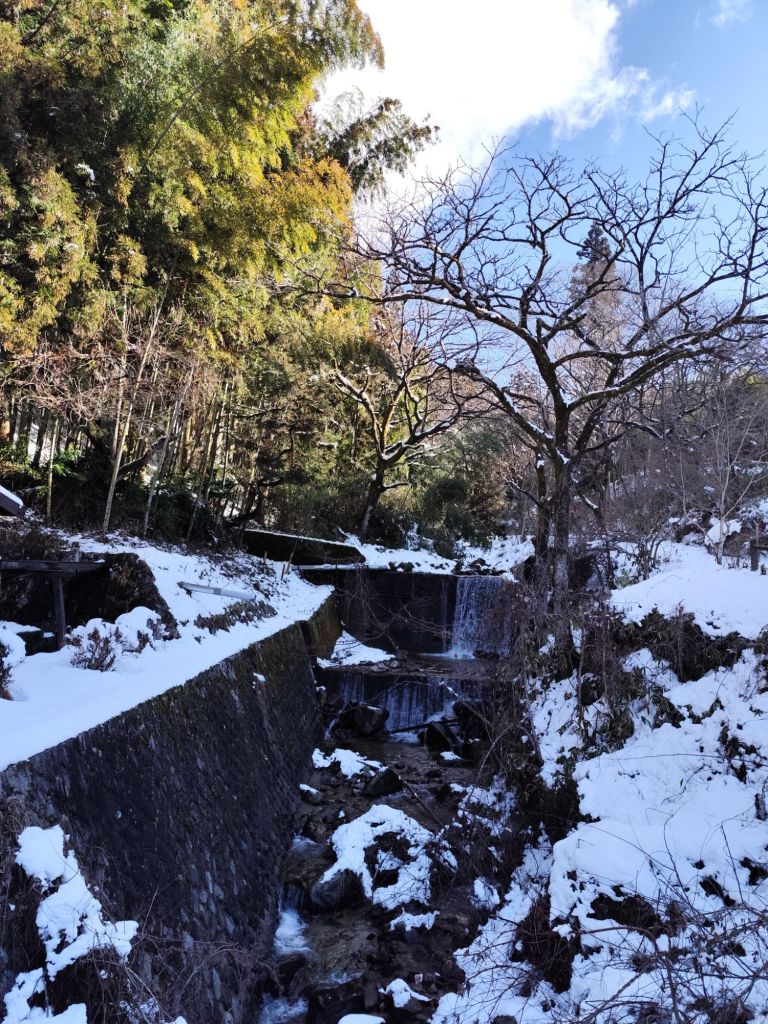
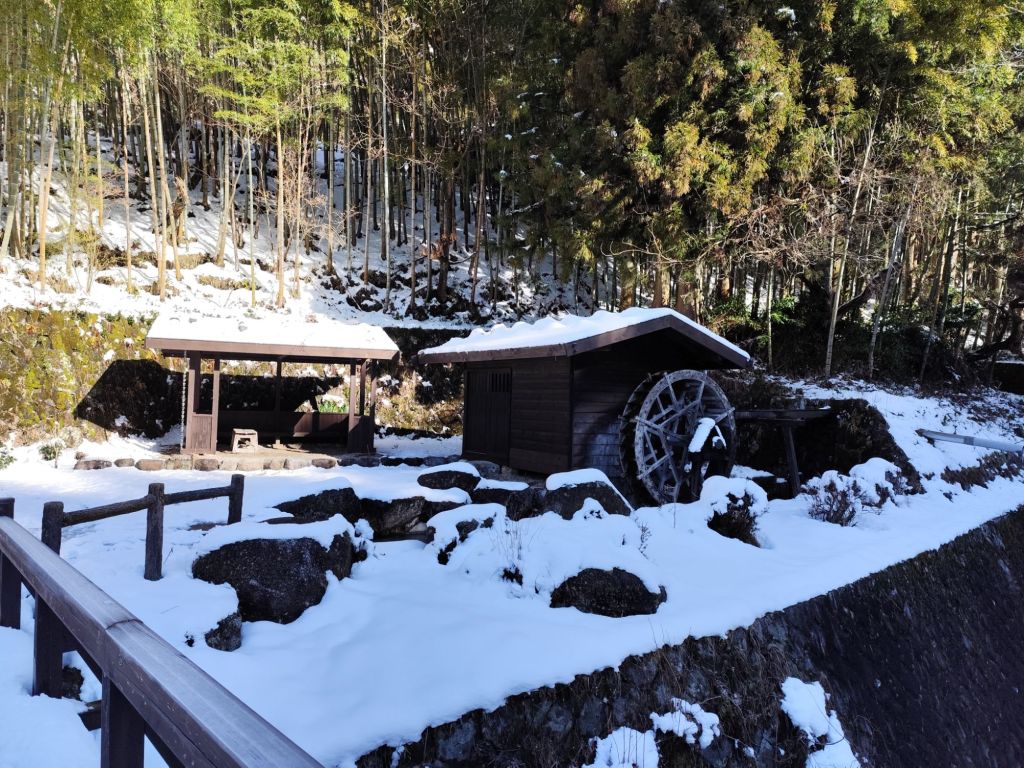
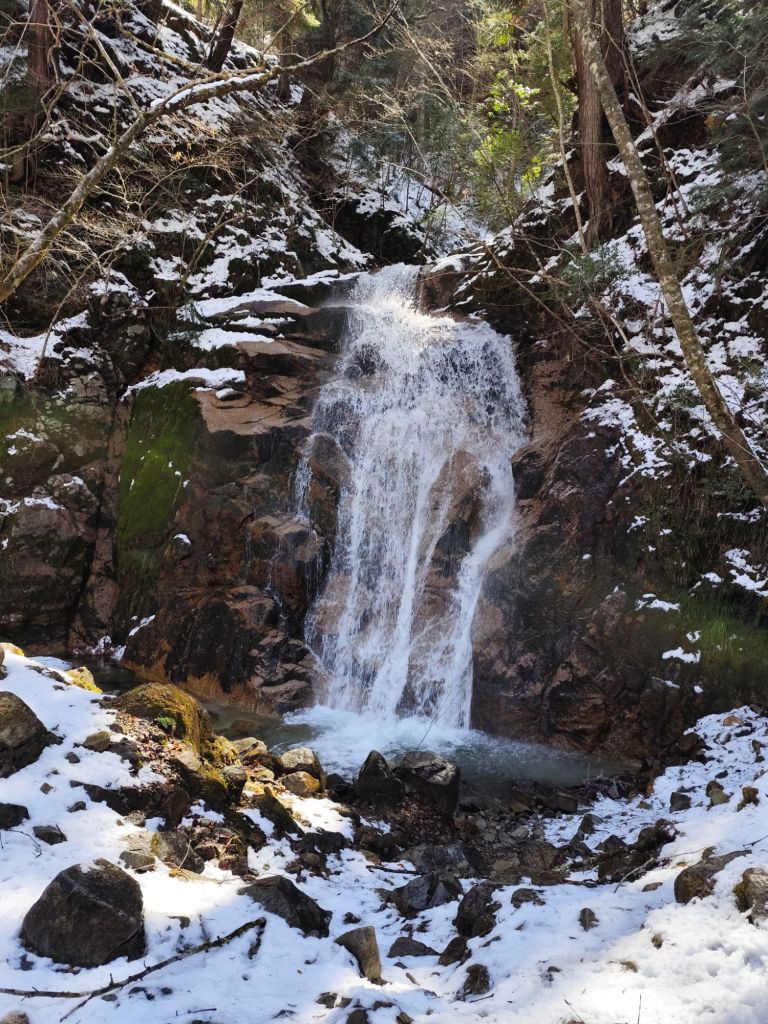
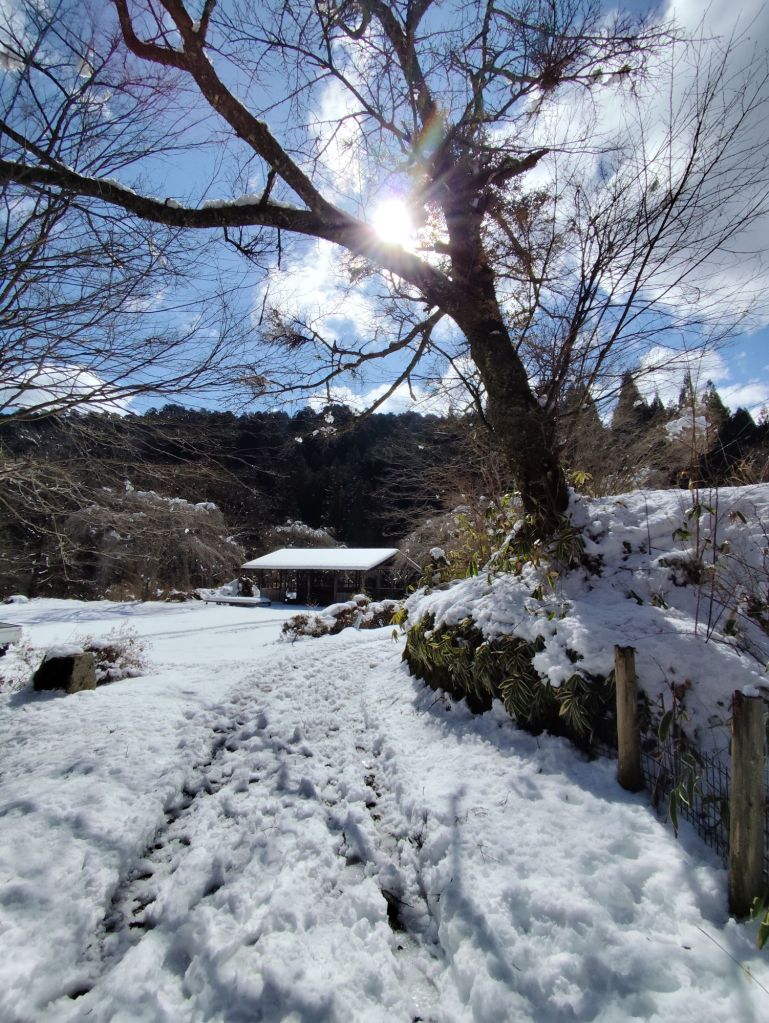
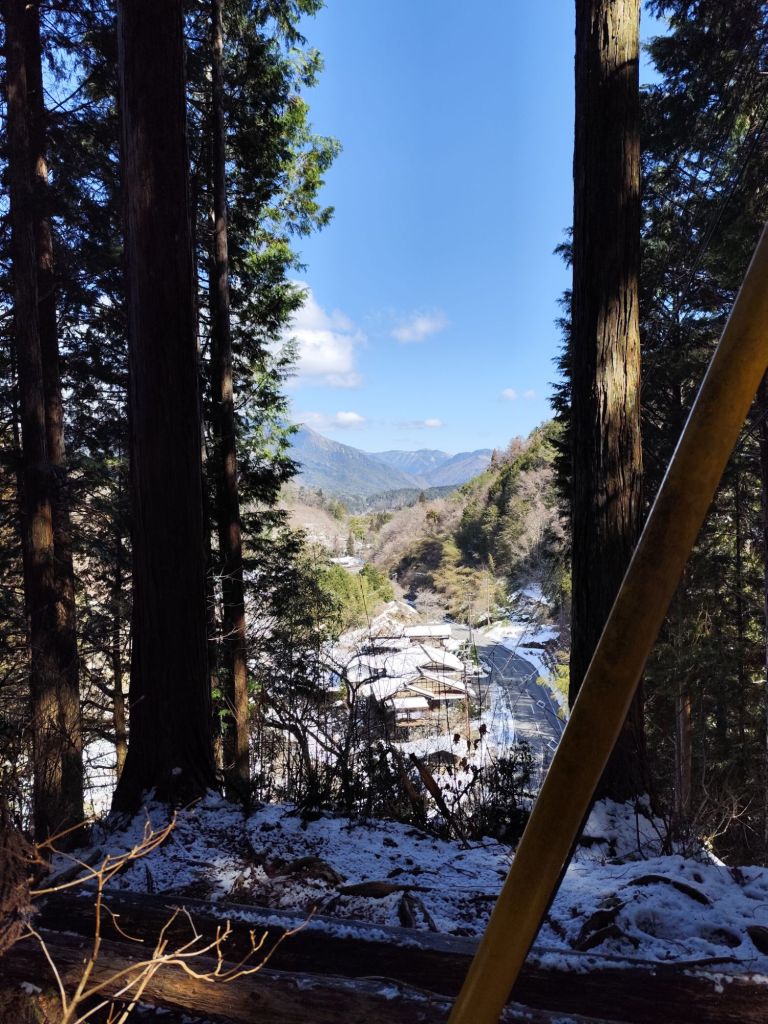
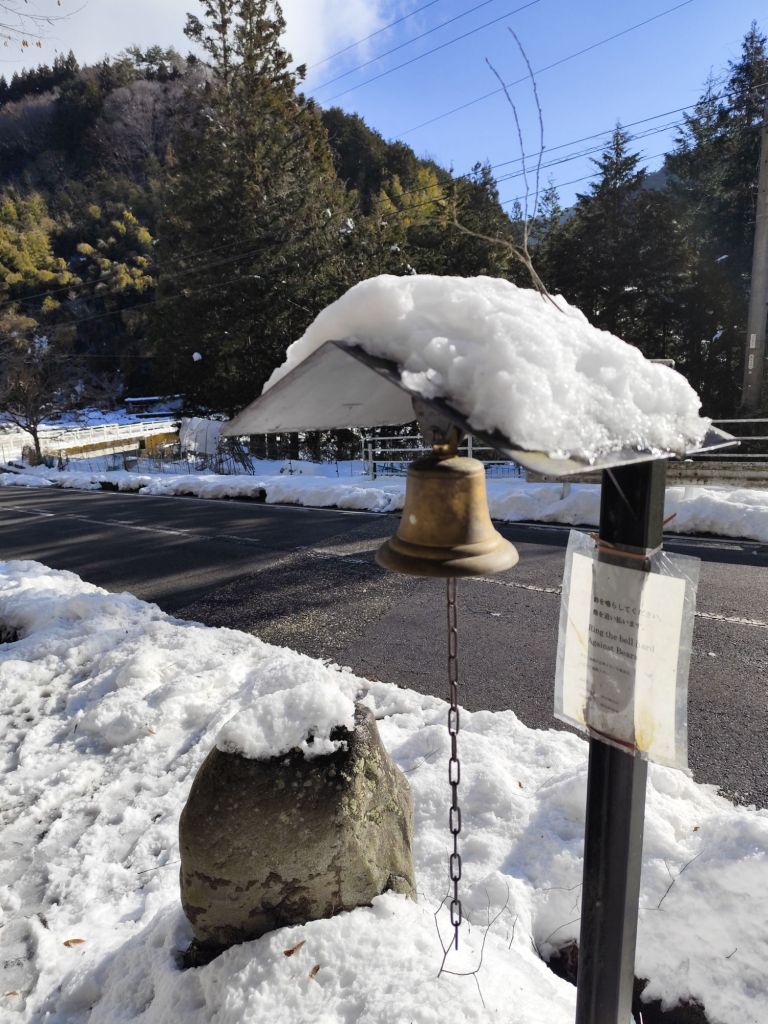
You will find bells along the way, ring them to scare the bears away!
There are many resting areas along the trail and some Chaya (Tea houses) too. Beware that they all open around 9/10a.m..
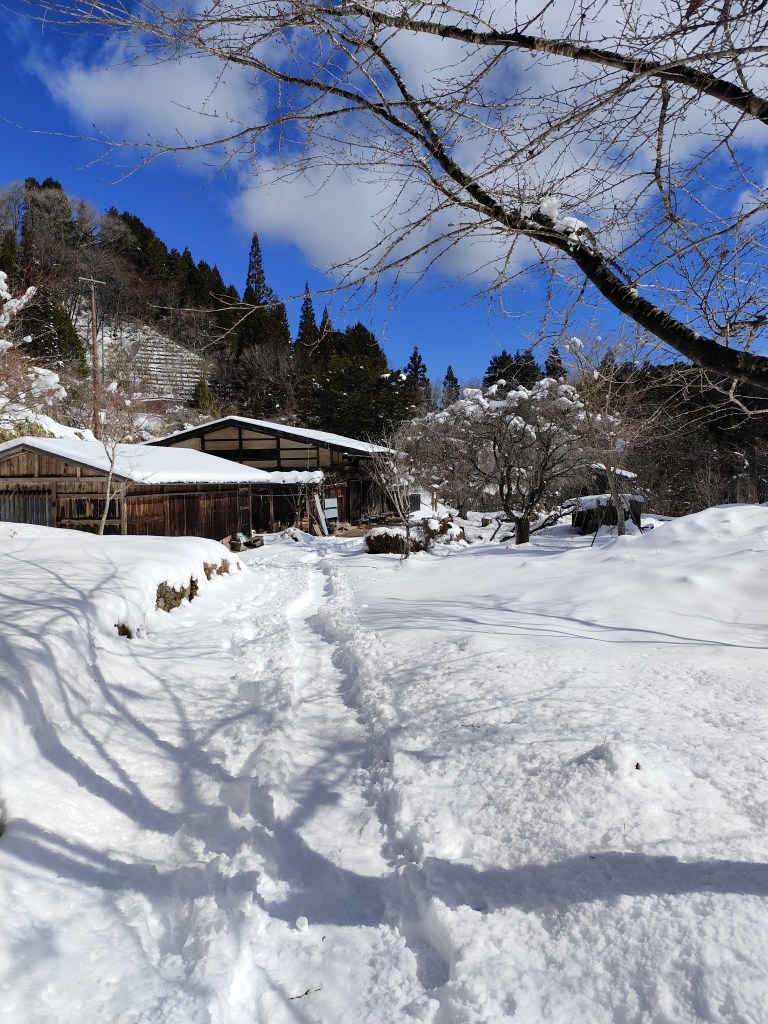
I arrived in Tsumago around 10:30/11a.m. walked around the town, there were many places to shop, see local productions, such as a wood workshop, a few villagers drawing landscapes with an incredible talent, a few places to eat.
What to do/see?
What to see:
- Tsumago-juku Honjin (300yen or 700yen as a set with Okuya and history museum)
- Local post history museum (it seems interesting but I didn’t know about it)
- Kotokuji temple, there are a few small sanctuaries around, can be nice if you enjoy visiting religious places
- Nagiso Town History Museum, 600yen (set with Waki Honjin Okuya), 700yen
- Waki Honjin Okuya, old inn, possible to have a tour in English, 600yen as a set with the History museum
- The water-wheels
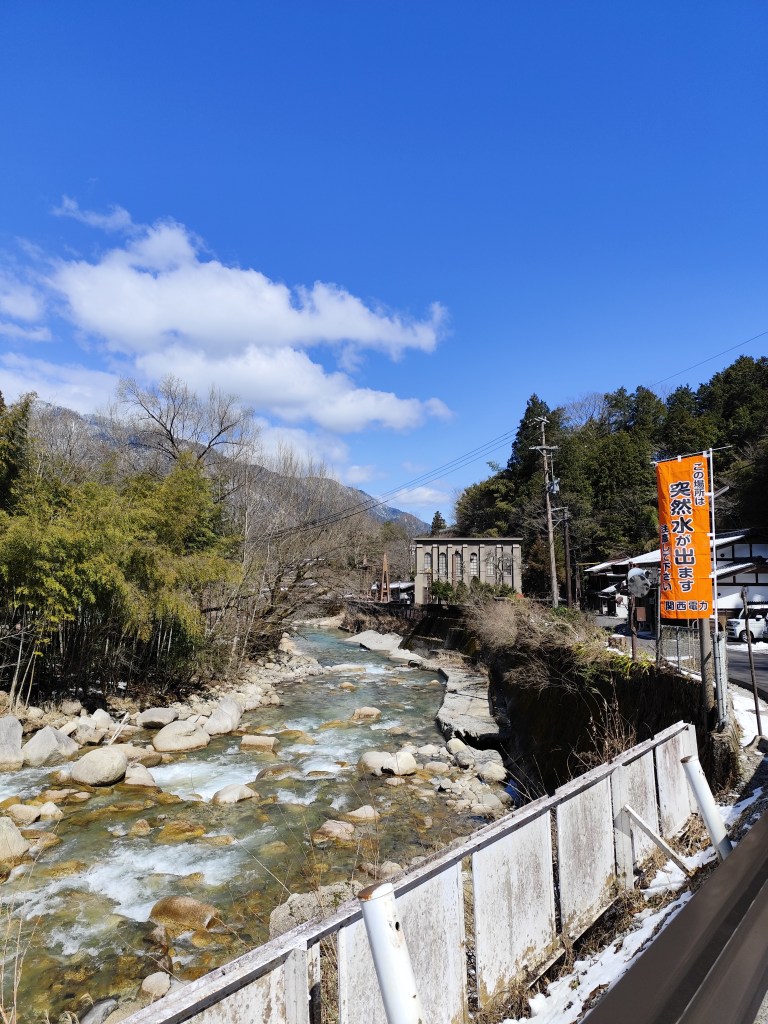
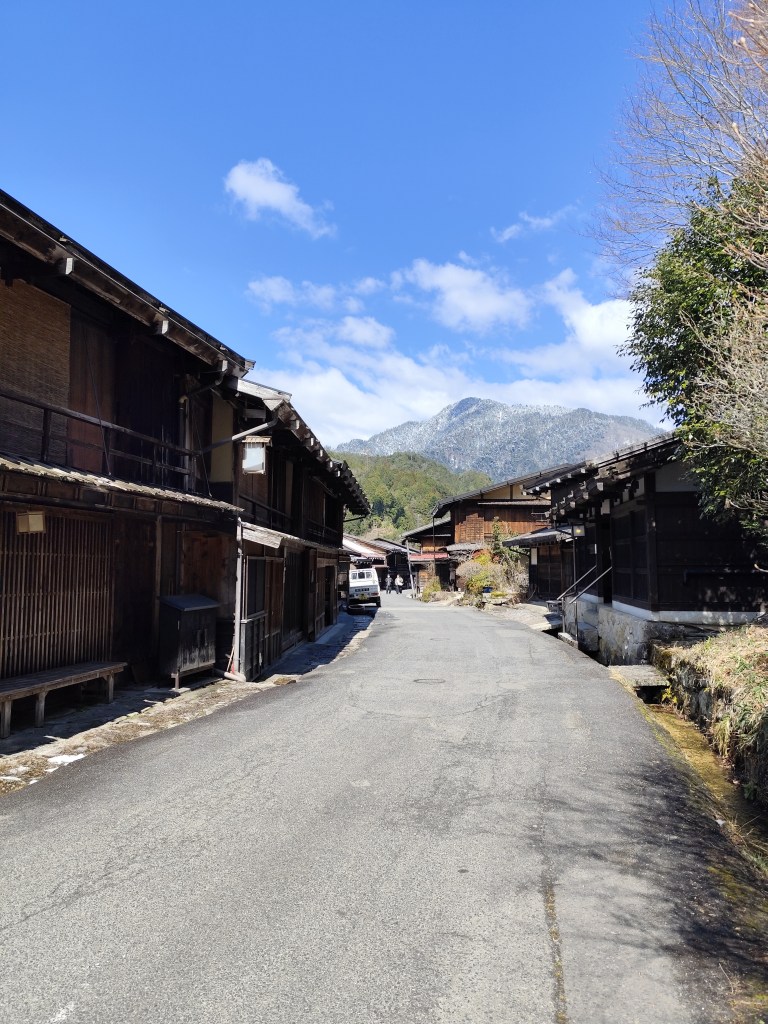
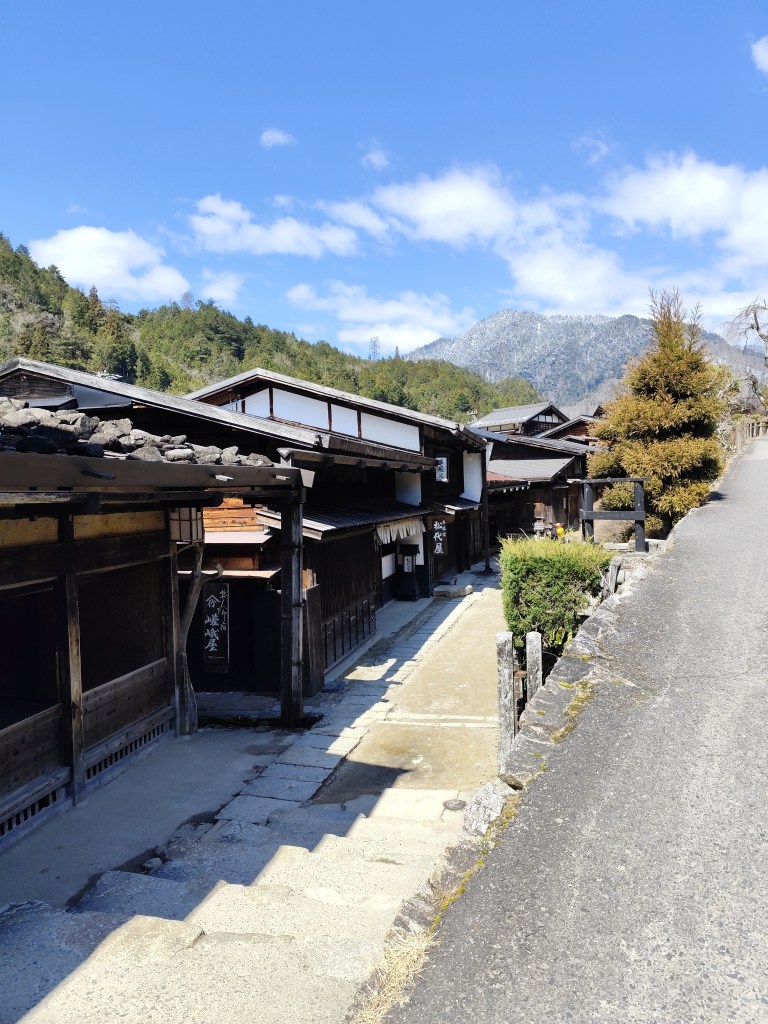
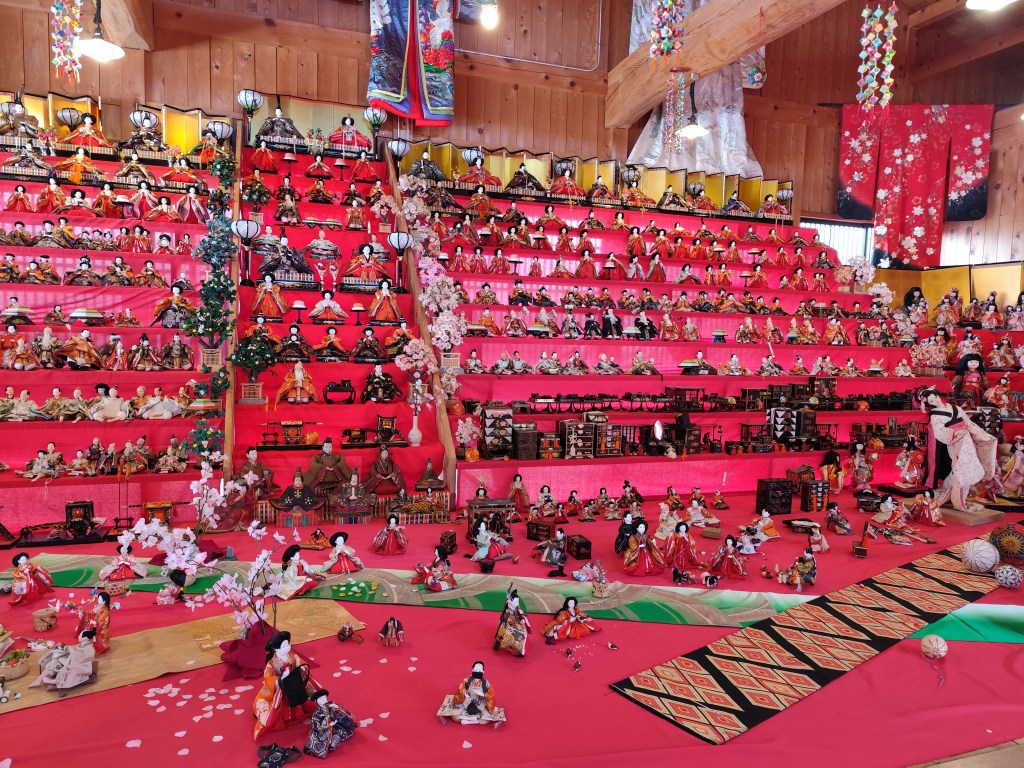
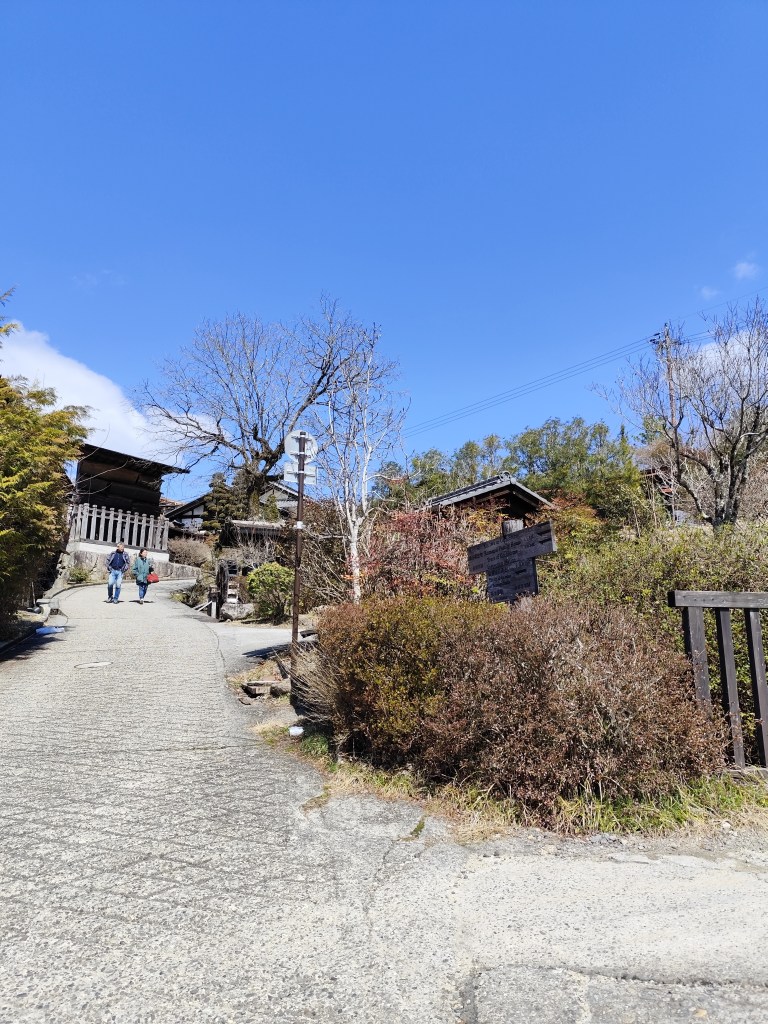
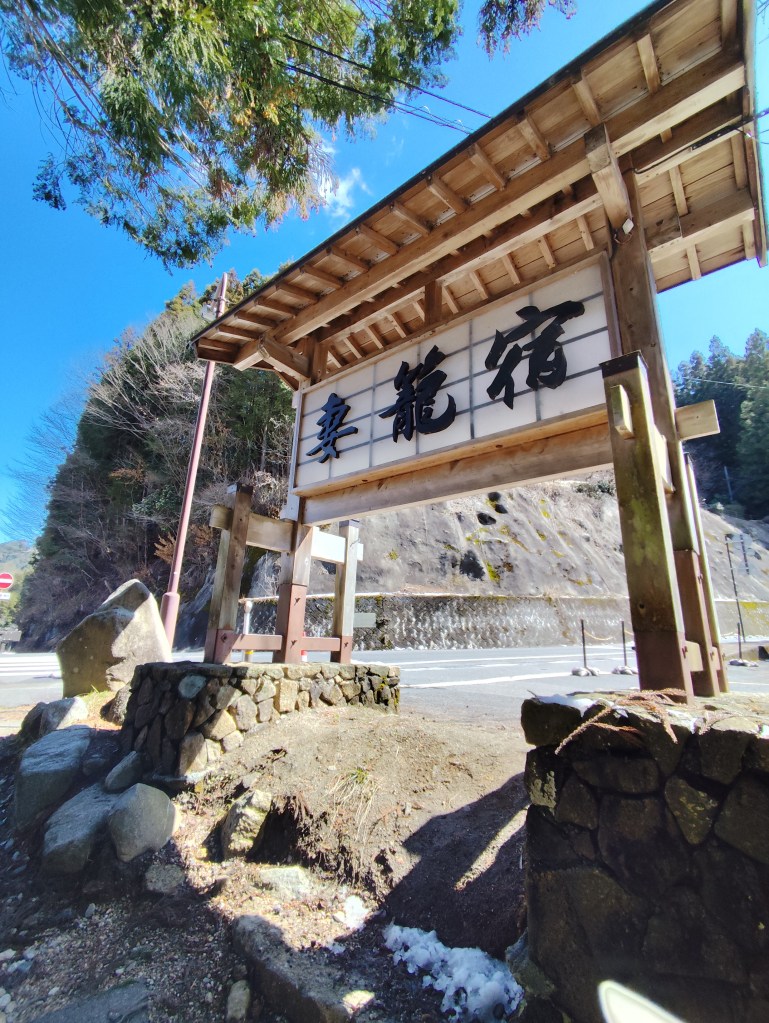
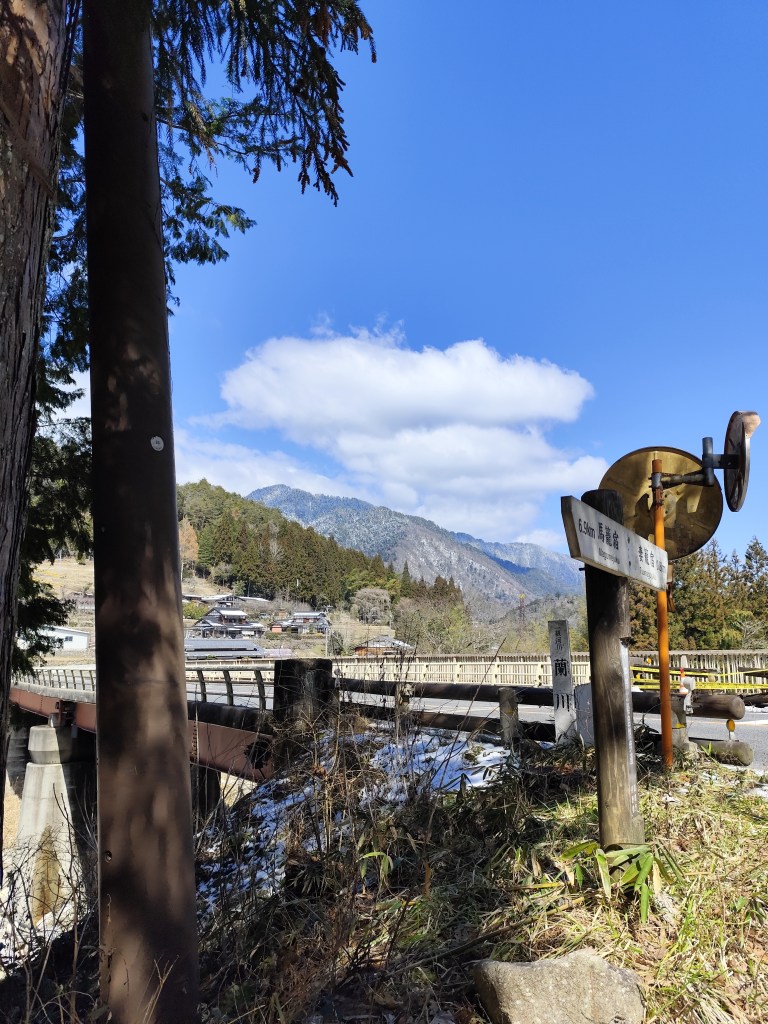
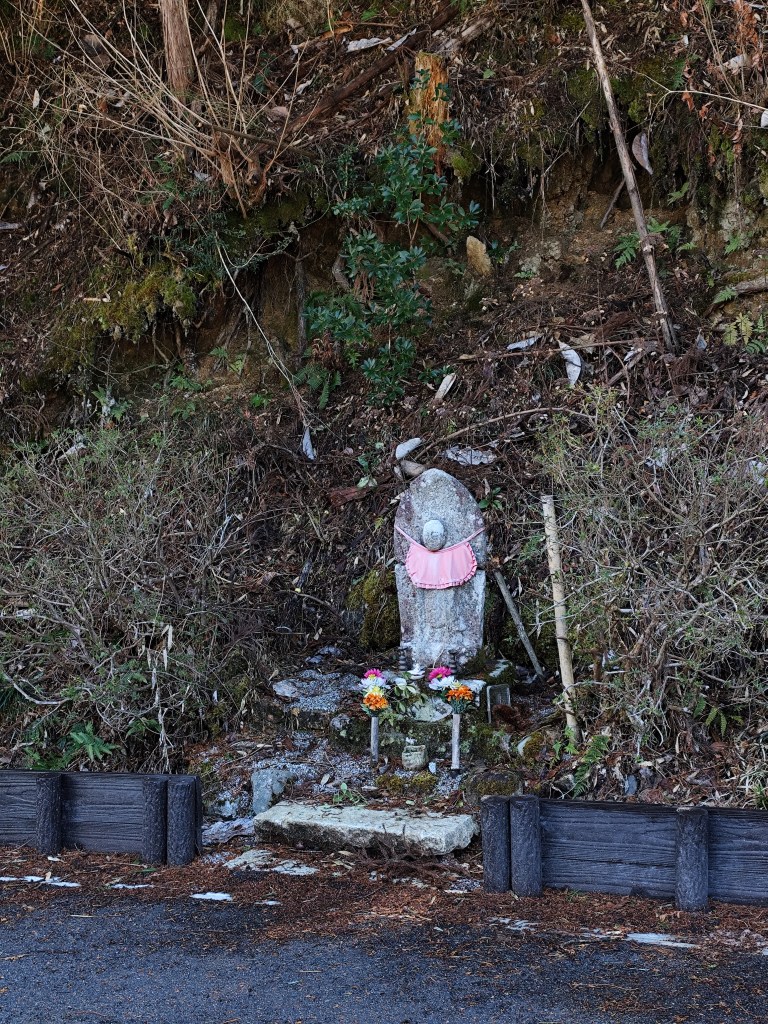
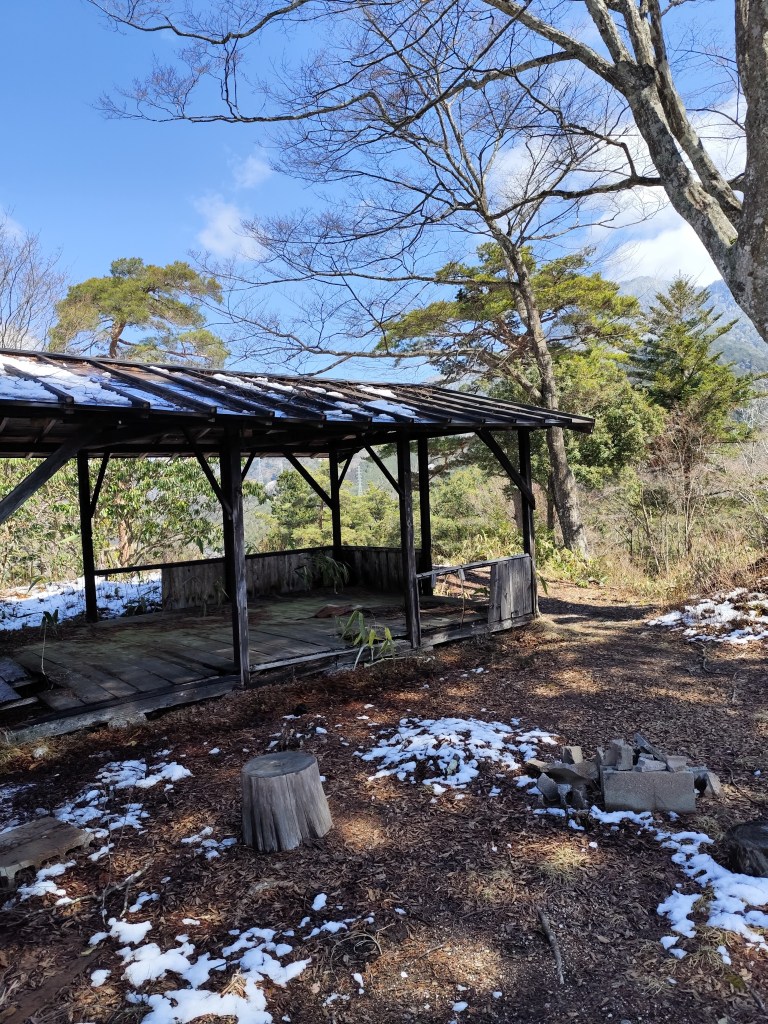
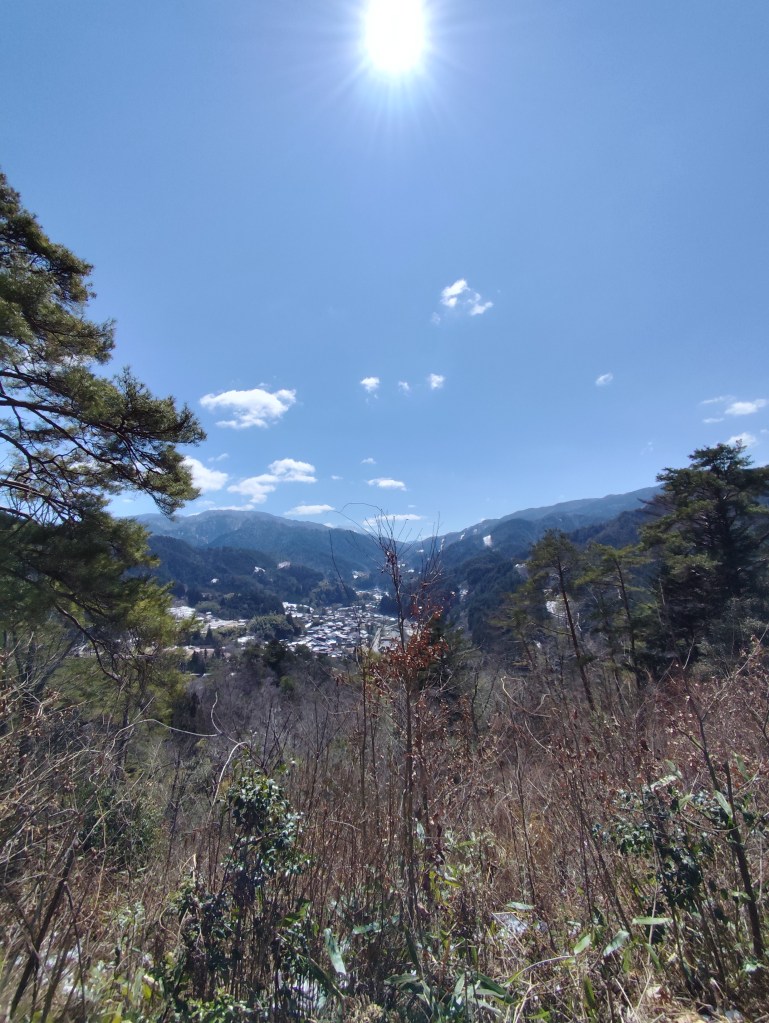
What to do ? Wander around the city, if you’re not planning on going all the way to Nagiso, go to the ruins of Tsumago castle. There is a great view over the city.
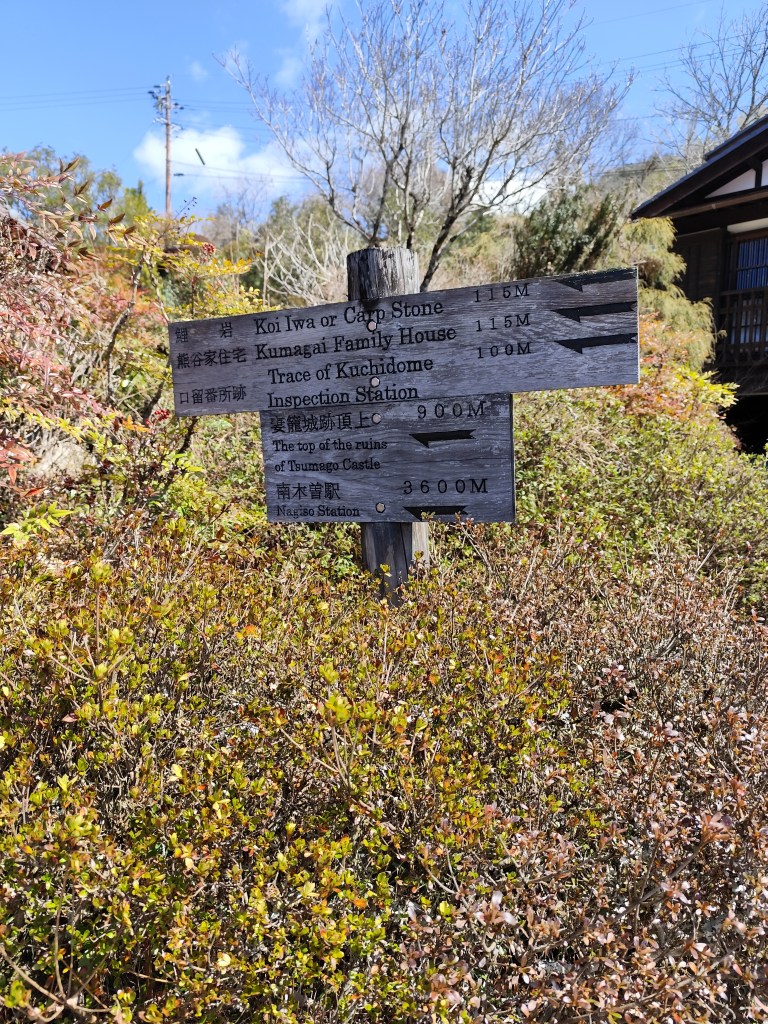
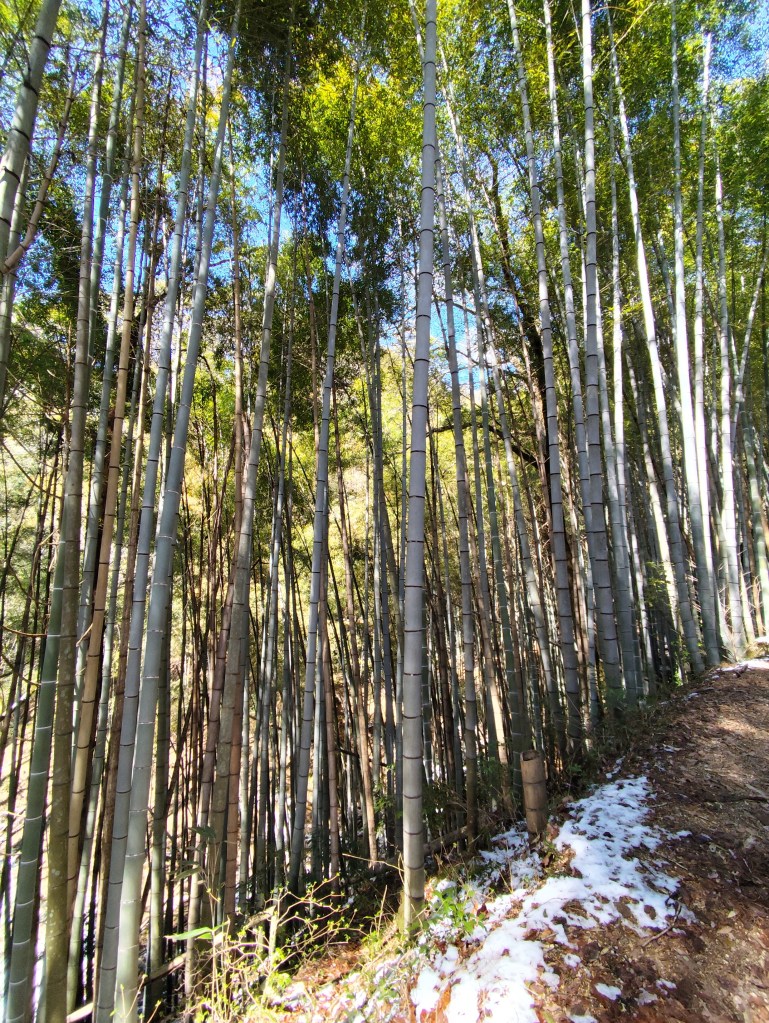
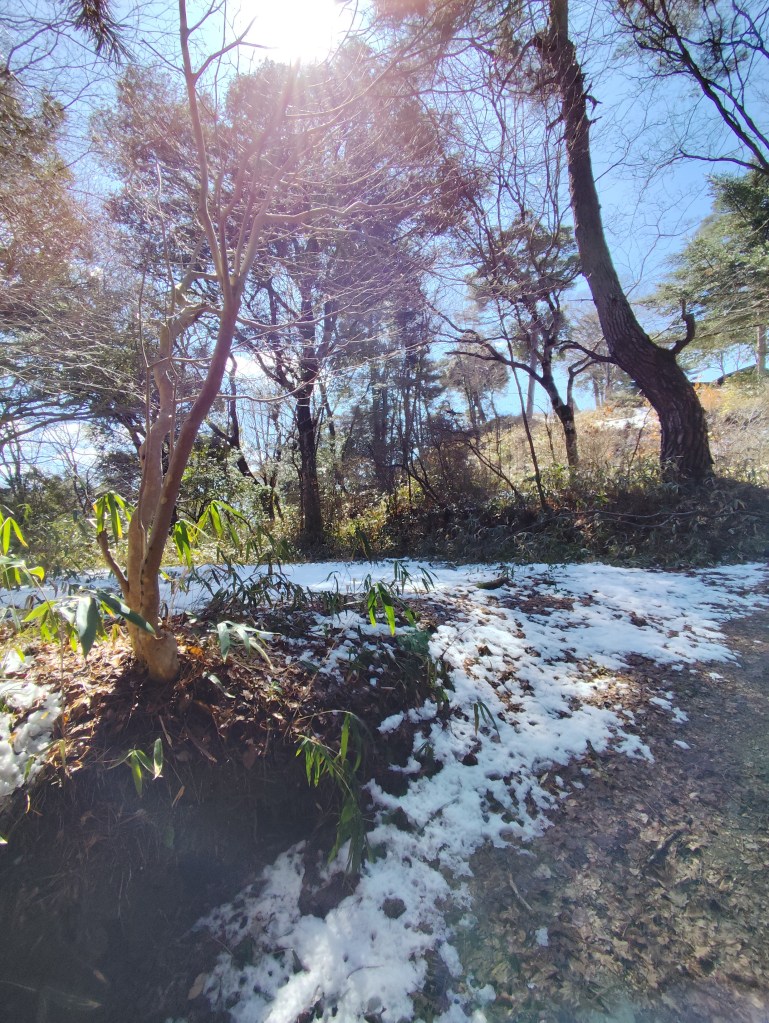
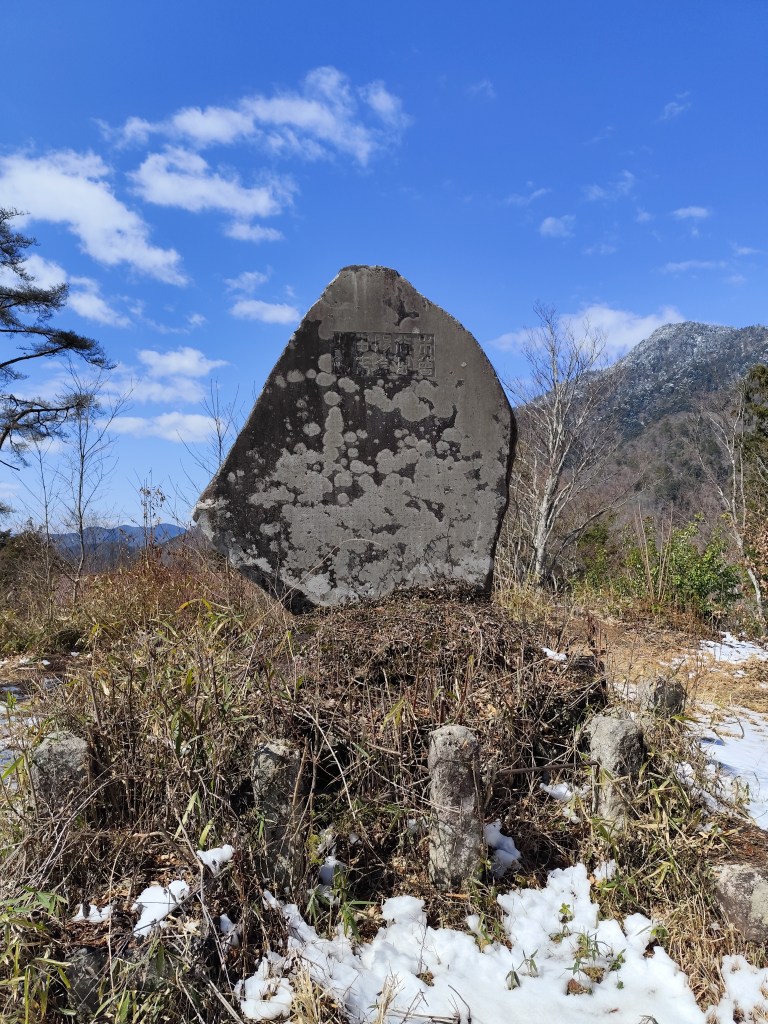
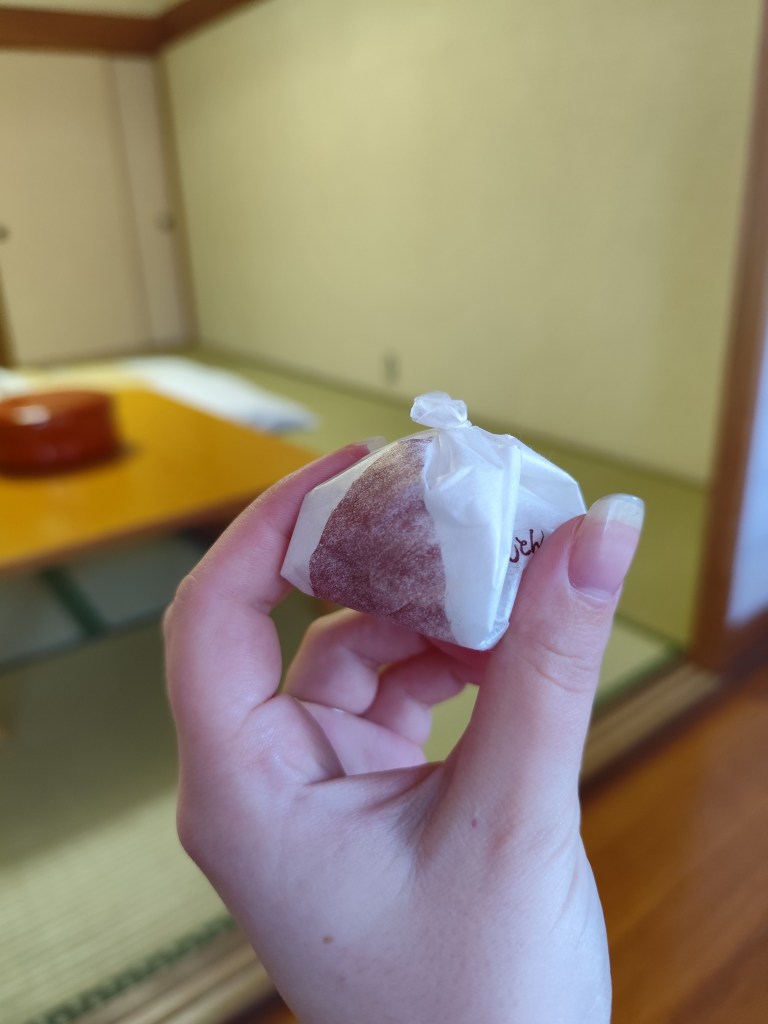
You can also take a break and try a chestnut pastry (Kurikiton), it’s really good and tastes like real chestnut!
I tried a cafe where you can just take a break among the locals, drink a hot beverage and have a cookie or a galette. – Good days Coffee and Bar
If you wanna keep hiking, you can walk to Nagiso-juku or even Nojiri-juku.
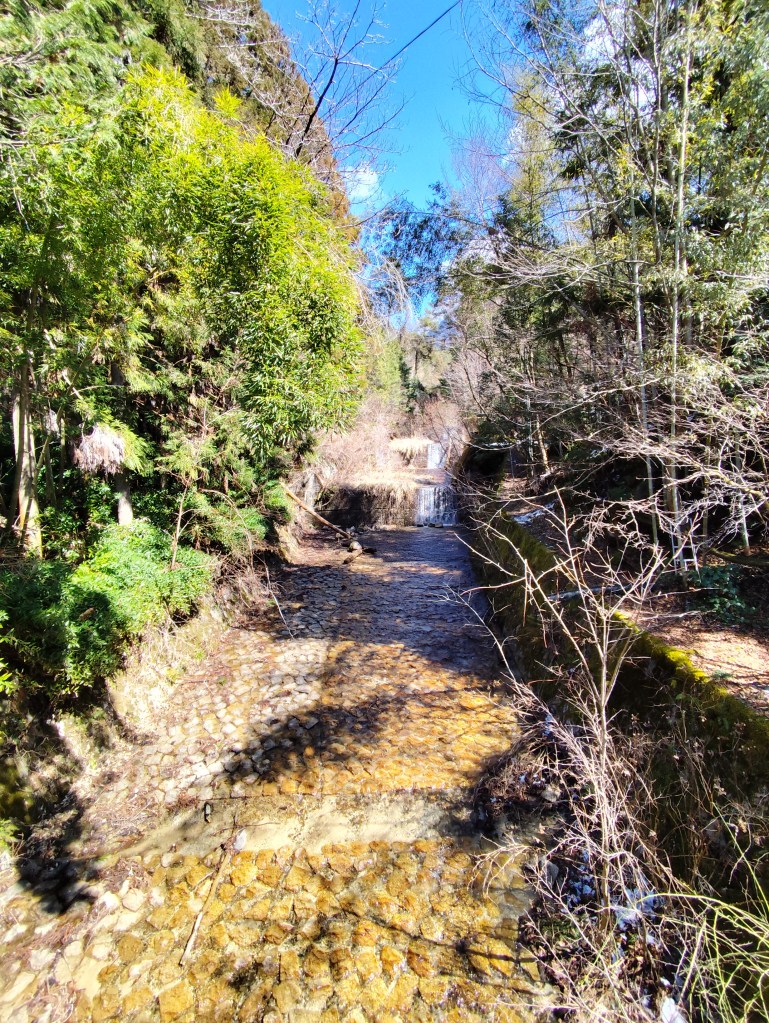
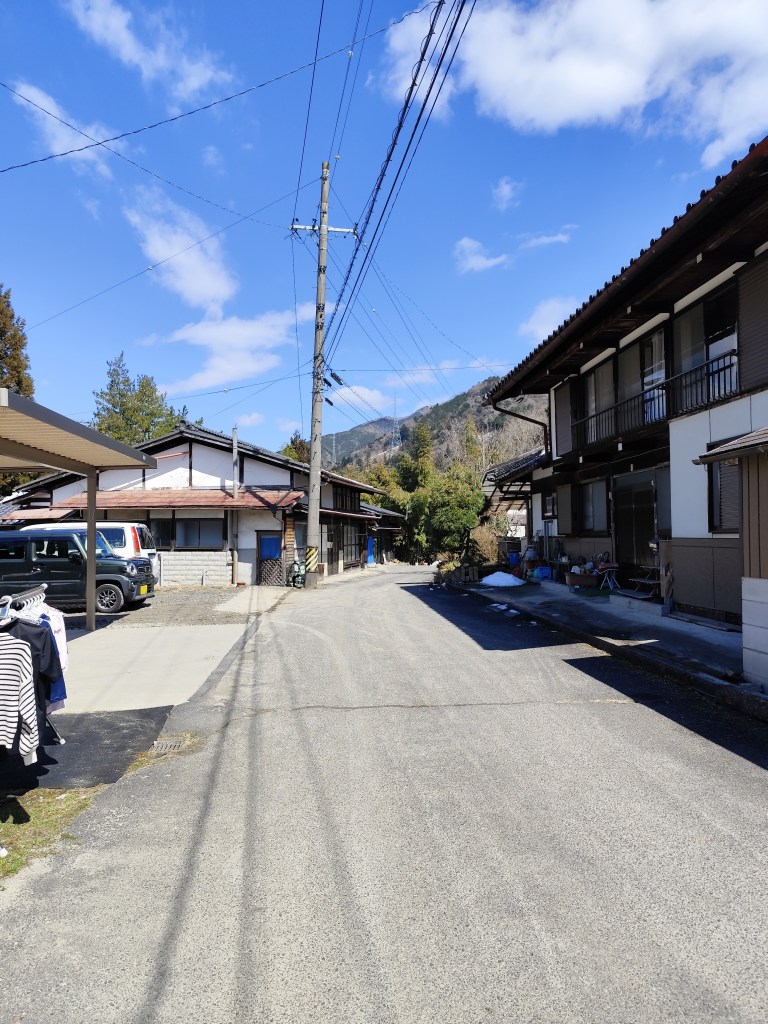
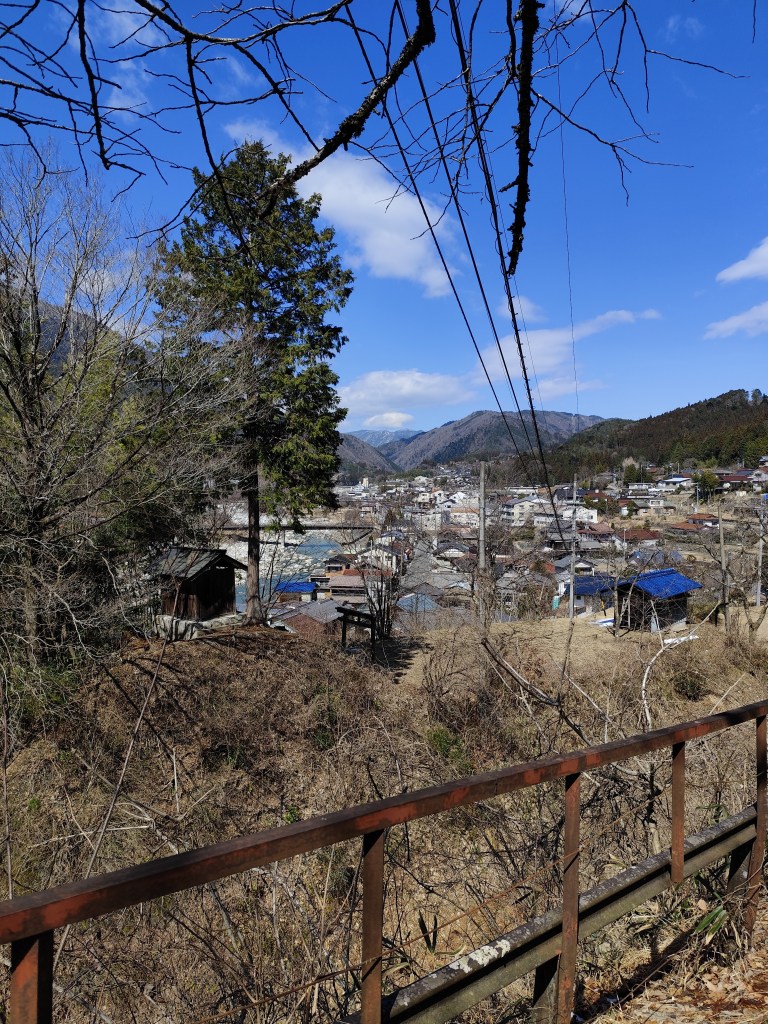
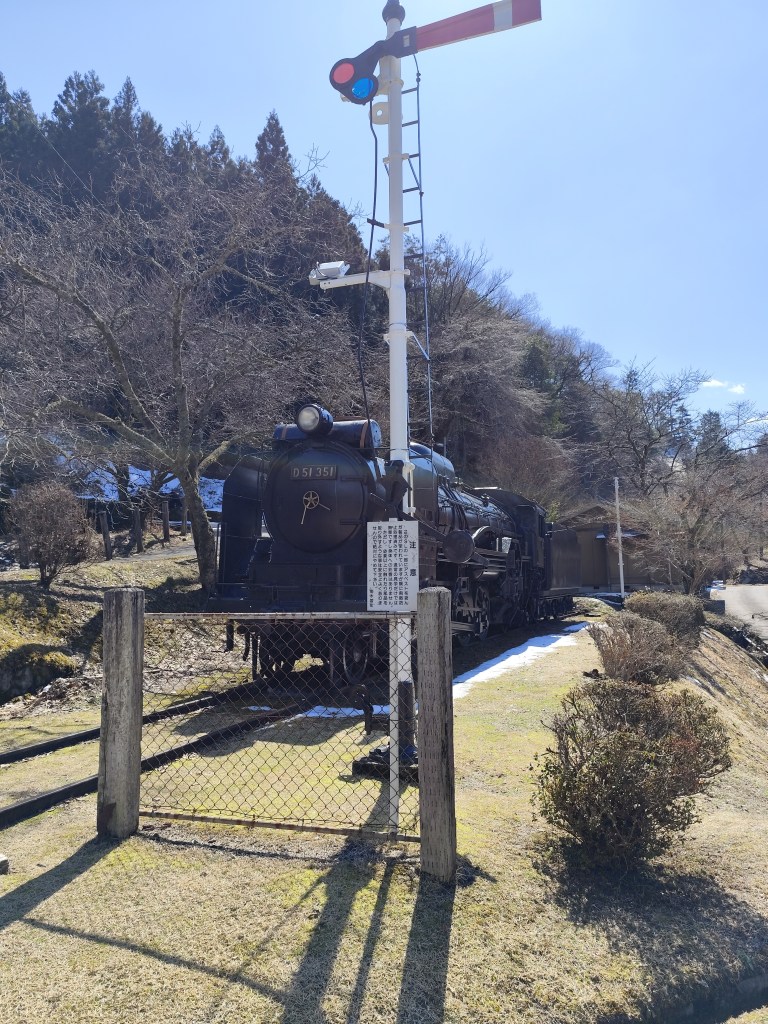
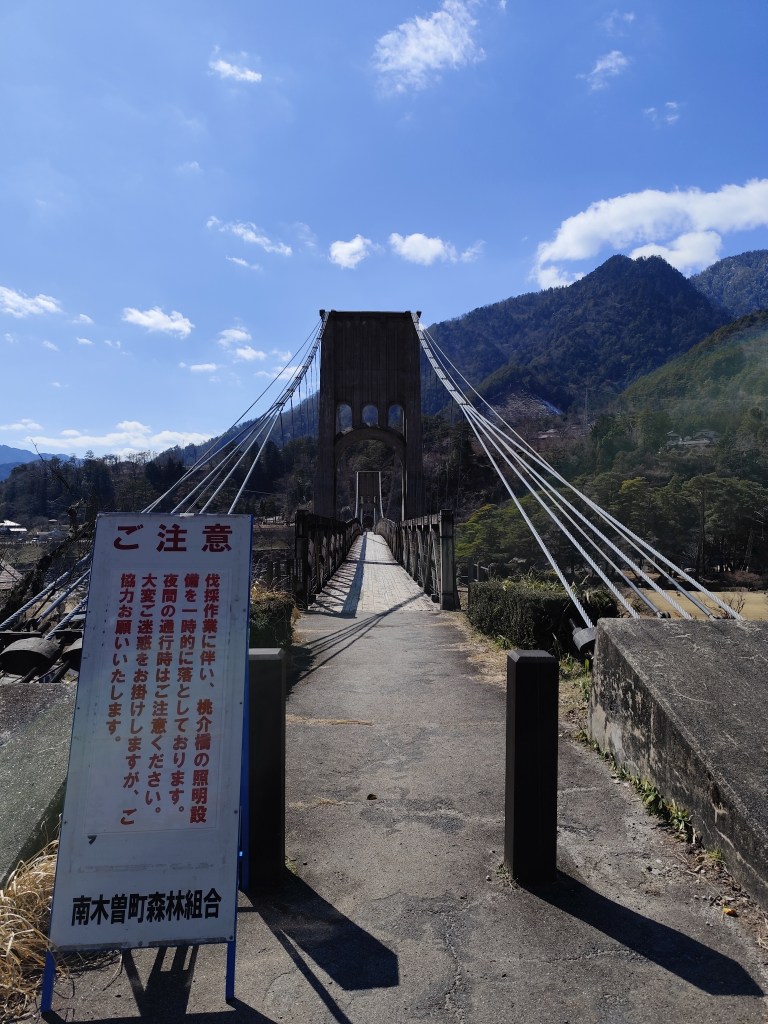
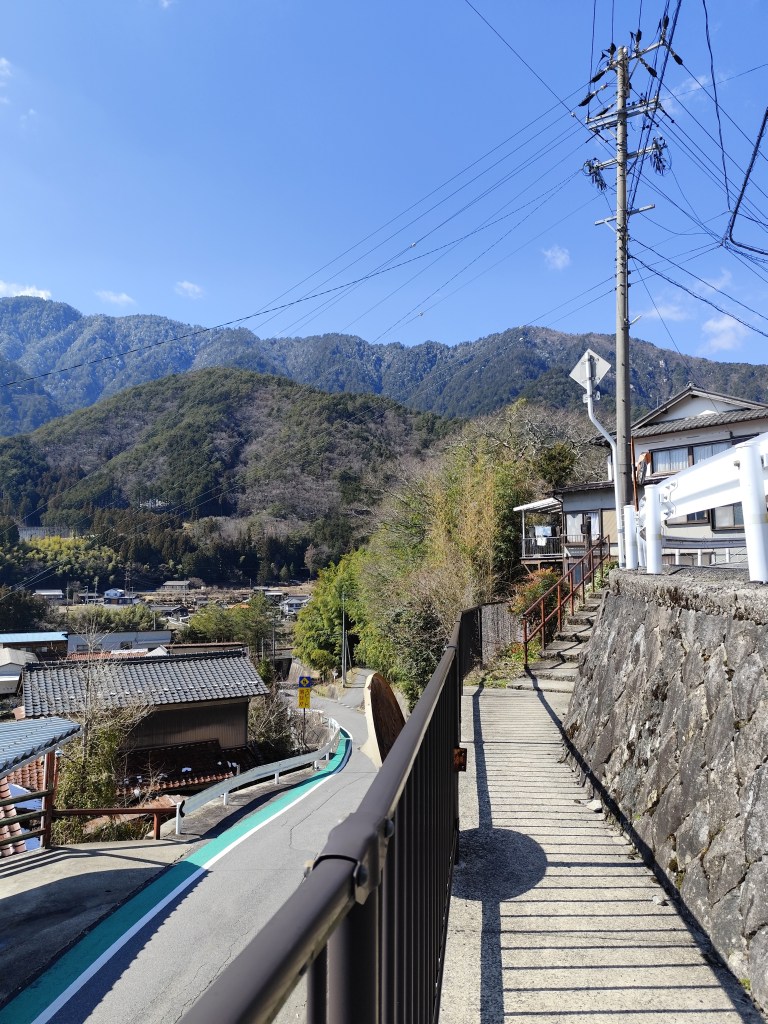
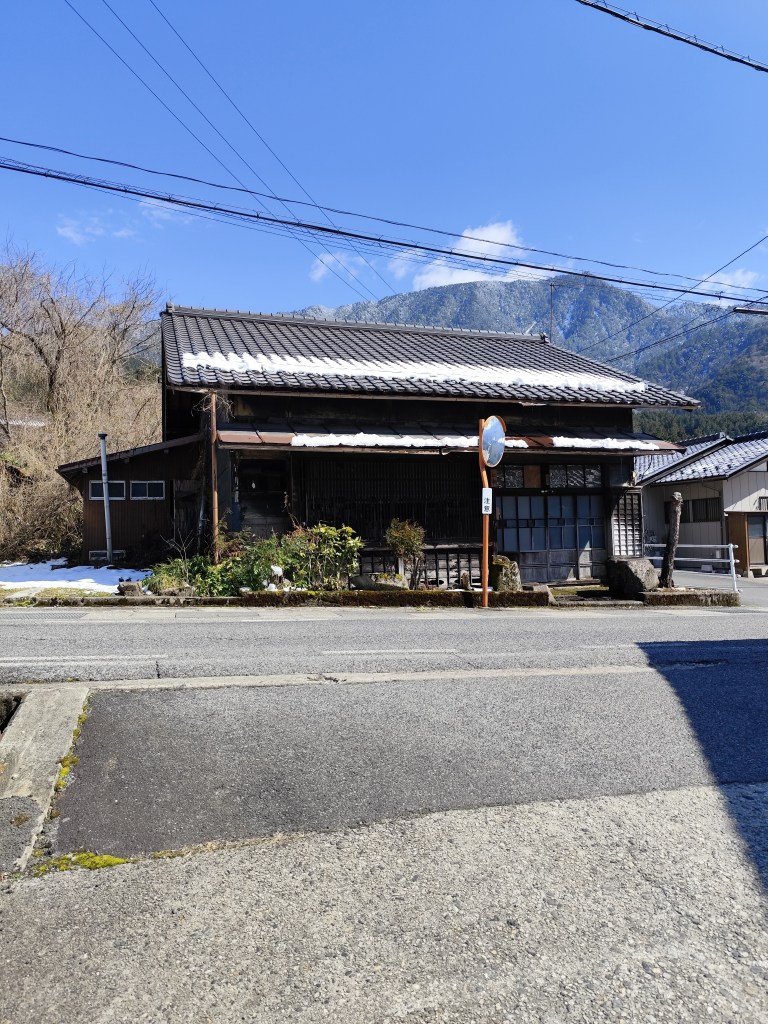
I walked all the way to Nagiso-juku but there were still a few hours to reach Nojiri so I took the train from Nagiso to Nojiri and walked to the hotel.
The hotel I was staying at was close to the Atera Valley, which I regret not having the time to see. However, you could already see the beauty of the place with the turquoise river and surrounding mountains.
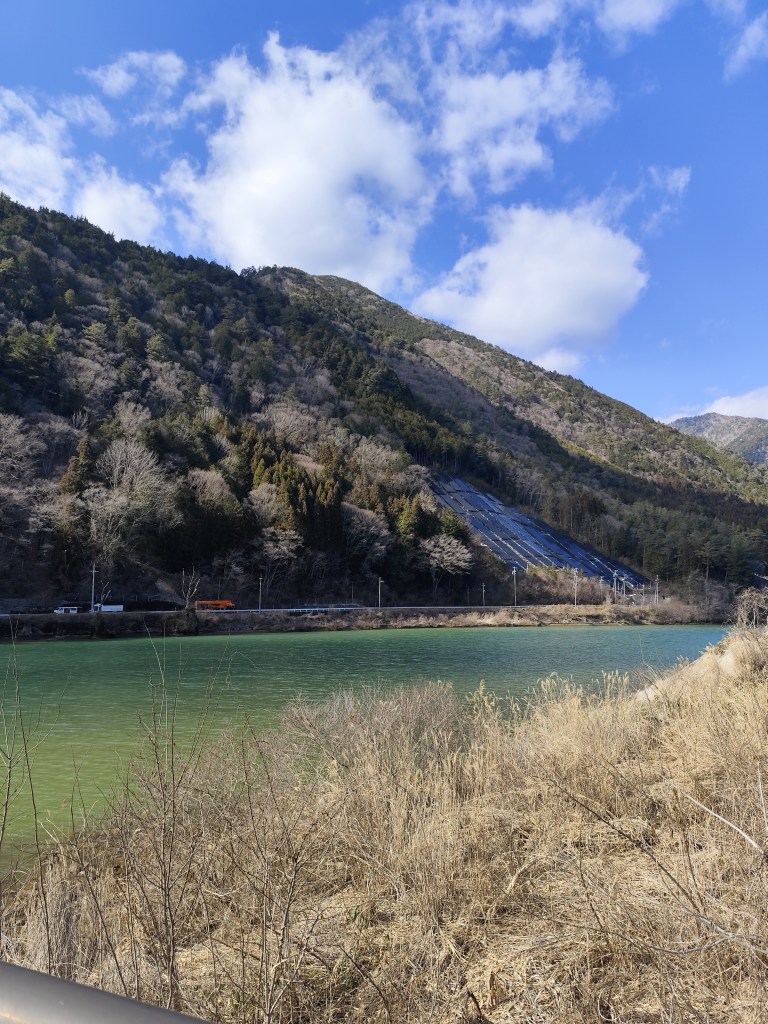
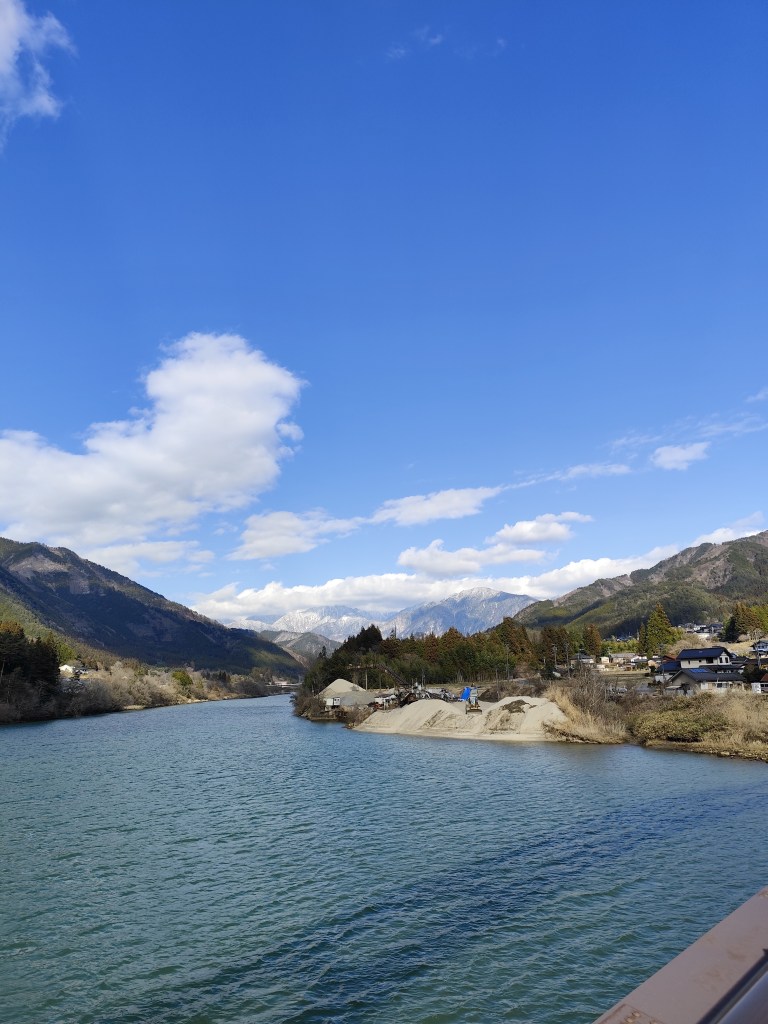
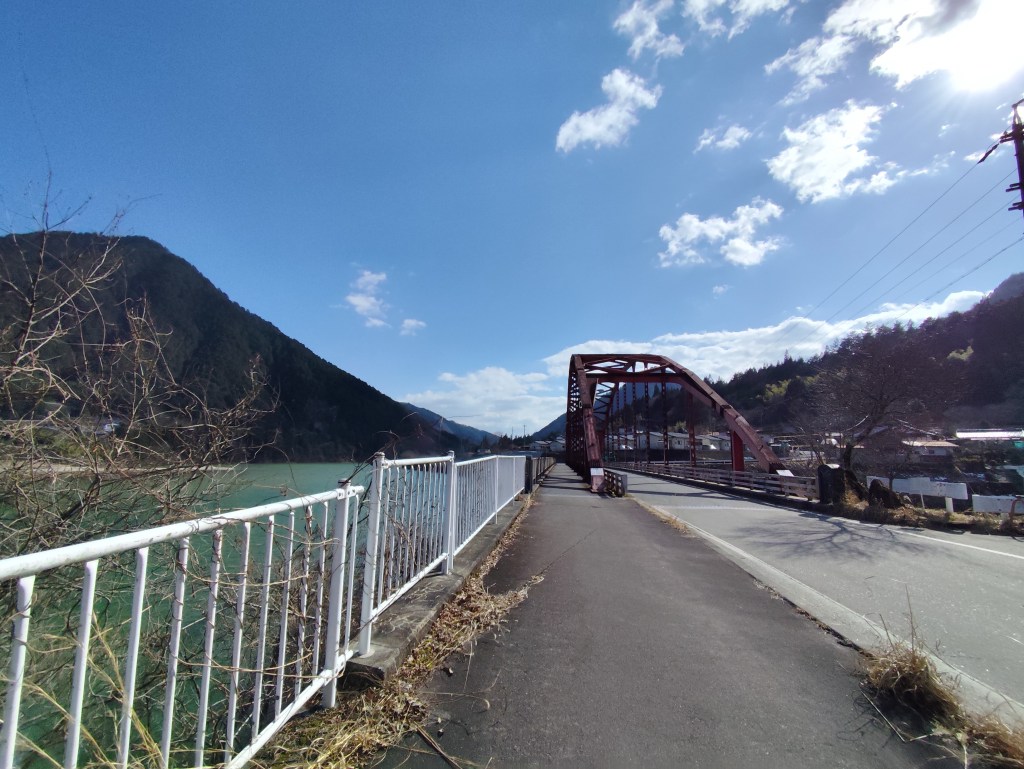
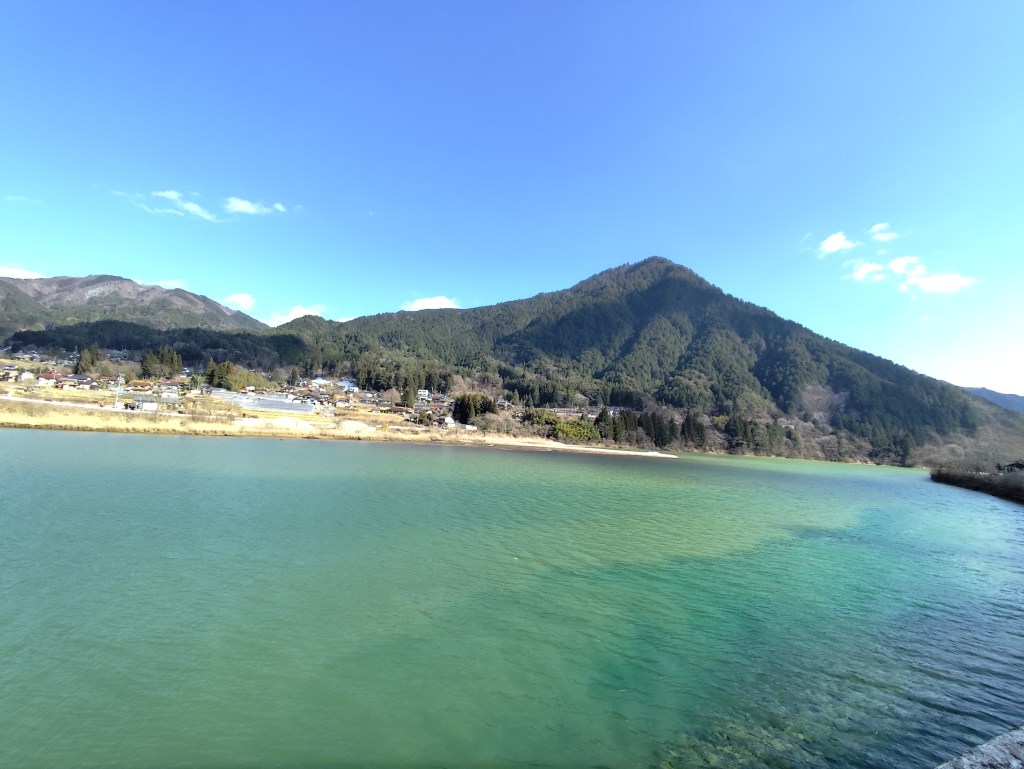
If you’re thinking about spending a day in Nojiri, try to walk the Atera Valley trail (map below) and experience stunning views.
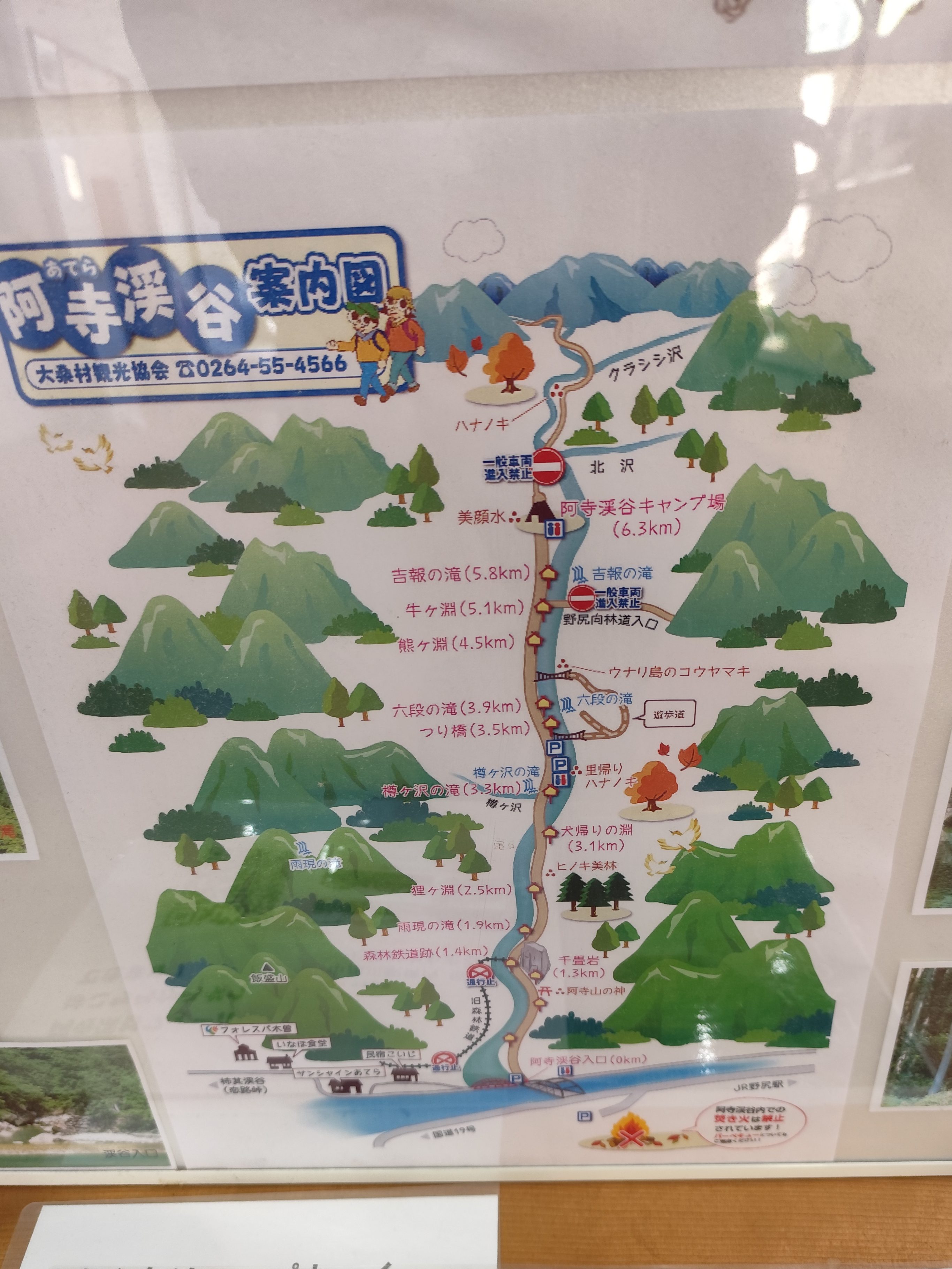
How to get there and where to stay?
From Magome to Tsumago:
- Hike: Nakasendo, 2h30-3h (depending on your pace), 7.8km
- Bus: Magome Line, from Iwata bus stop, 25min, 600yen
From Magome to Nojiri:
- Hike: 7.8km to Tsumago, 3.6 to Nagiso, 14.8km to Nojiri, so around 26.2km, ~6h
- Bus/Train: Magome Line, from Iwata to Nagiso-eki, 29min – Chuo Line to Nojiri station, 10-15min; 1000yen
From Tsumago to Nojiri:
- Hike: Tsumago to Nagiso: 3.6km, Nagiso to Nojiri 14.8km, ~4h30
- Bus/ Train: Magome/Hogami Line, to Nagiso-eki, 9min – Chuo Line to Nojiri station, 10-15min; 500yen
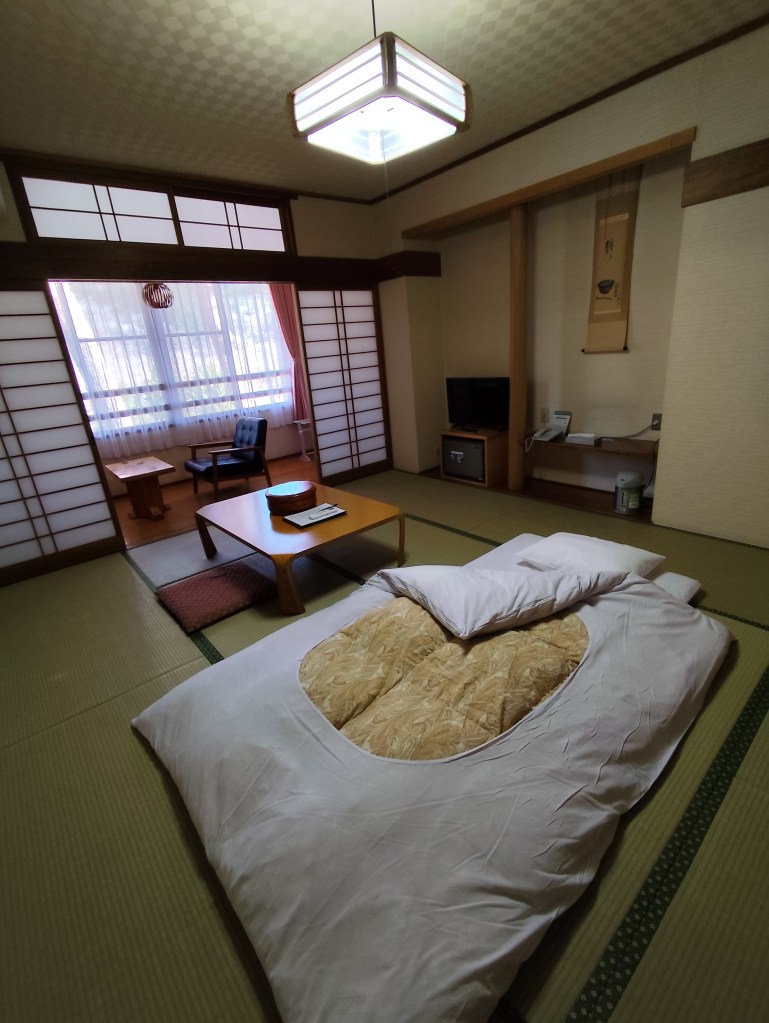
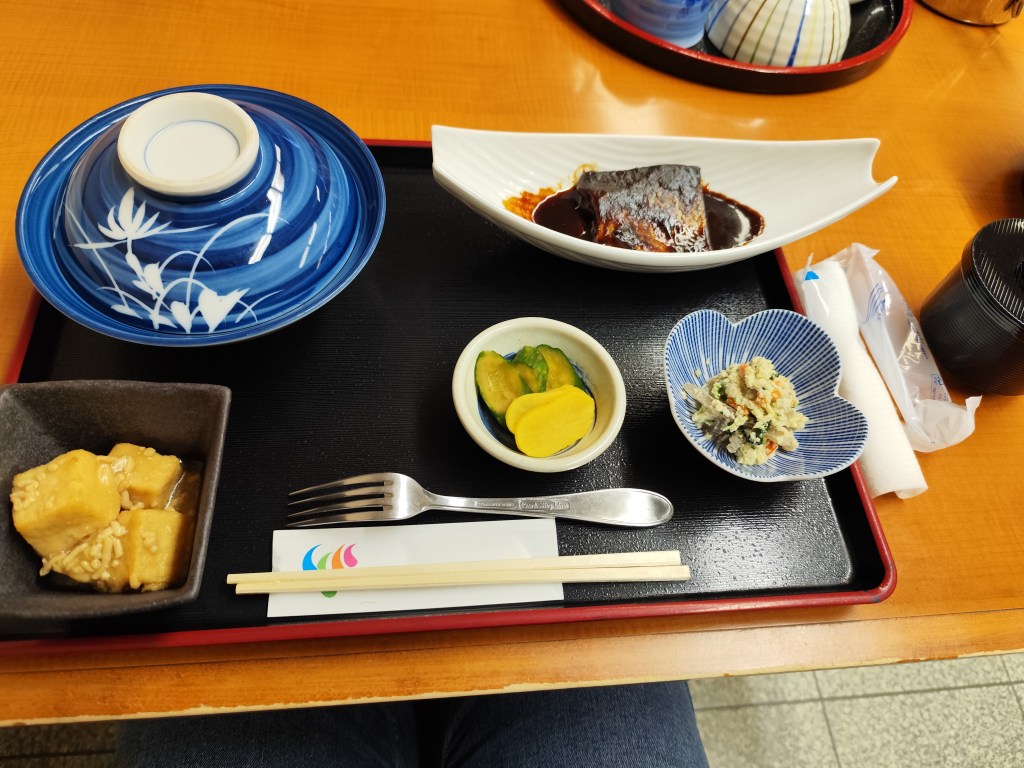
I stayed at Atera forespa where you can enjoy an onsen and a traditional meal for dinner (2000yen) and for breakfast (1000yen). The rooms are traditional tatami rooms with a sink to refresh, a tv and tea. Beware, the restroom is in the corridor and there’s no other bathroom than the onsen.
I truly enjoyed this part of the Nakasendo, it is said to be the most beautiful part of the trail! I was happy to see where I could go and couldn’t wait to see the next trail! The next article will be about the Yabuhara-Narai section, under the snow.


 Travel & Cake
Laisser un commentaire