Hi!
So, my first stop was Kitakyūshū ! It is Kyushu’s biggest city (even though Fukuoka has the highest population).
The city is known for its history, its castle, being Matsumoto Reiji’s hometown, and is well-known for its western-style neighborhood, Mojiko Retro.
Content :
Kitakyūshū
The city is located at the very north of Kyūshū, therefore it’s called : Kita (北 : North) Kyūshū (九州 : the 9 provinces). Kitakyūshū was created in 1963, with the fusion of five municipalities : Kokura (centre, former feodal city), Moji, Tobata, Yahata et Wakamatsu.
Inhabitants: 939 029, 1.910/km²
Specialities:
⇢Nukadaki (sardine or mackerel prepared in Nukadoko (rice bran paste))
⇢Karashi Mentaiko
⇢Tonkotsu Ramen
⇢Yaki Udon
⇢Sea biscuits
History
As a quite new city, Kitakyūshū’s history is mainly Kokura’s history.
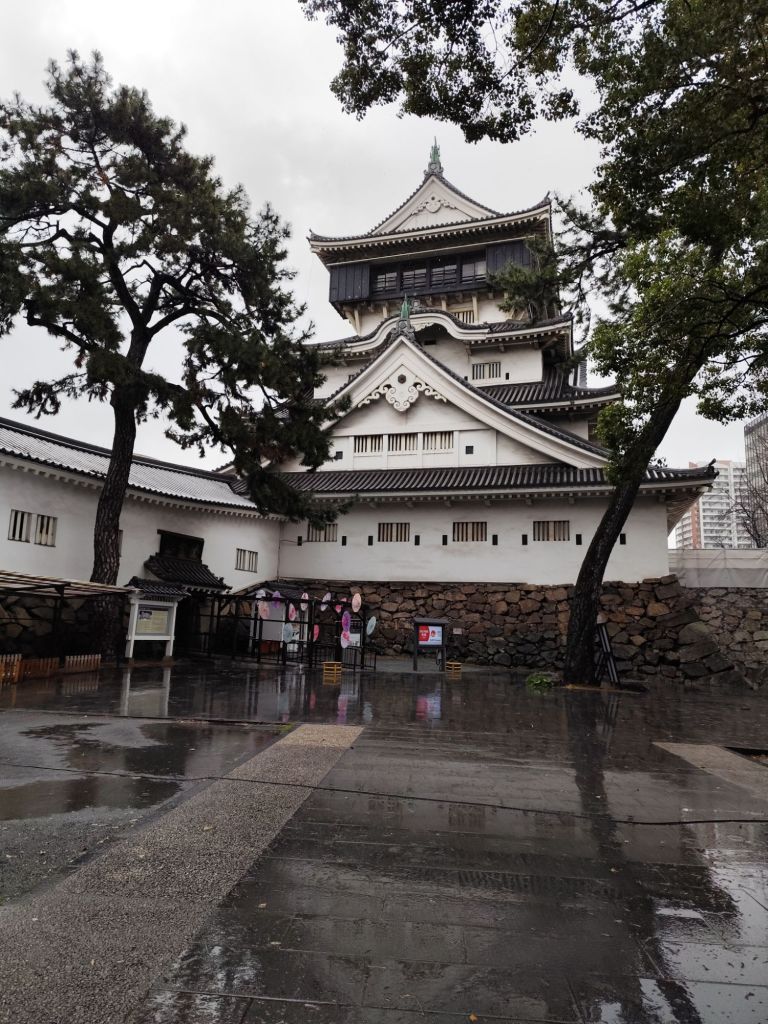
Kokura Castle was erected in 1569 by the Mori clan. But it became a castle on a bigger scale between 1602 and 1609 by samourai Tadaoki Hosokawa. It was the property of the Ogasawara clan from 1632 to 1866 on when it was burnt down during the Kokura Choshu war. The castle was rebuilt in its current form in 1959 and renovated in 2019.
In 1634, the castle welcomed the great sword master, Miyamoto Musashi, adoptive father of Miyamoto Iiro.
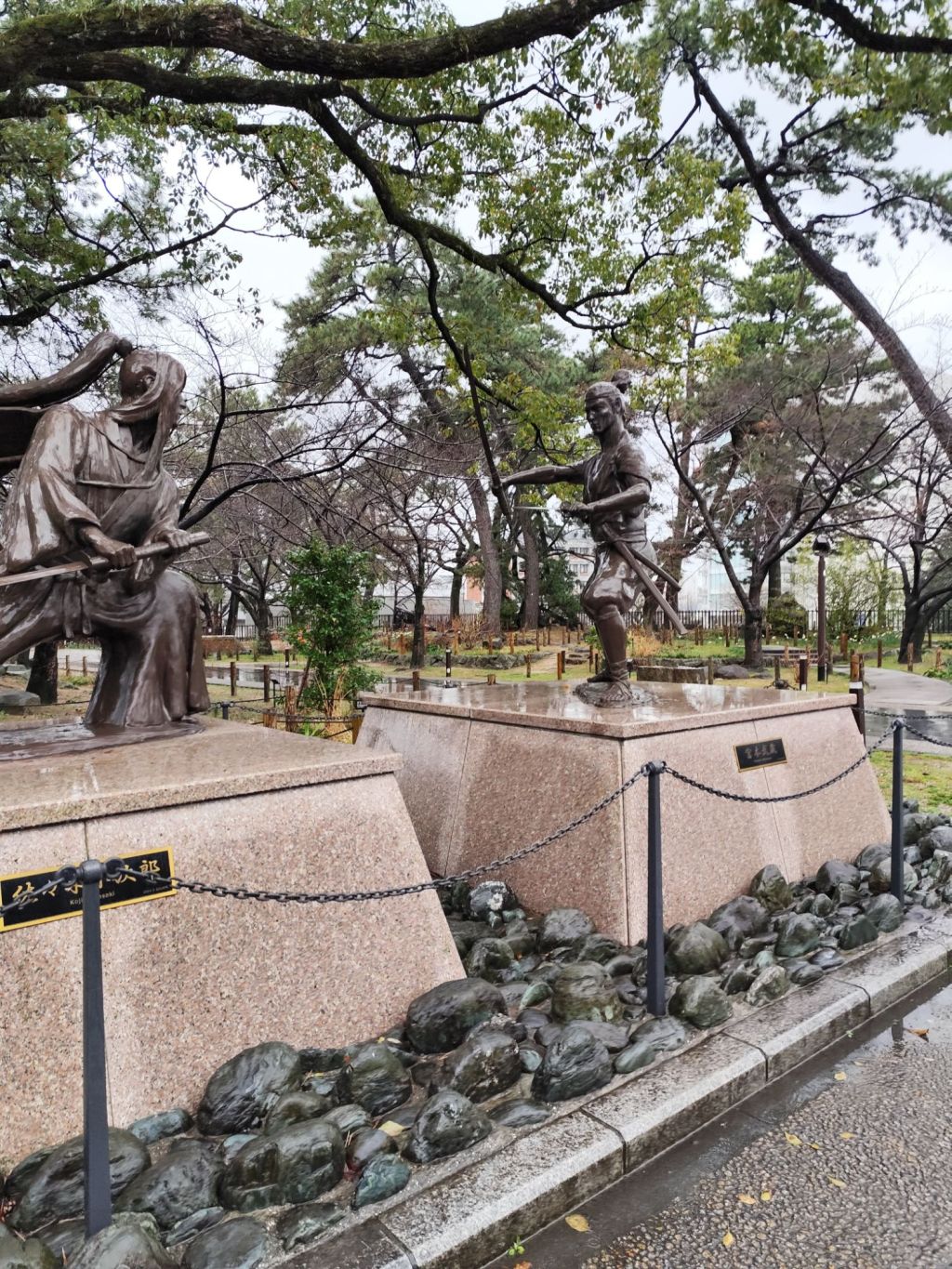
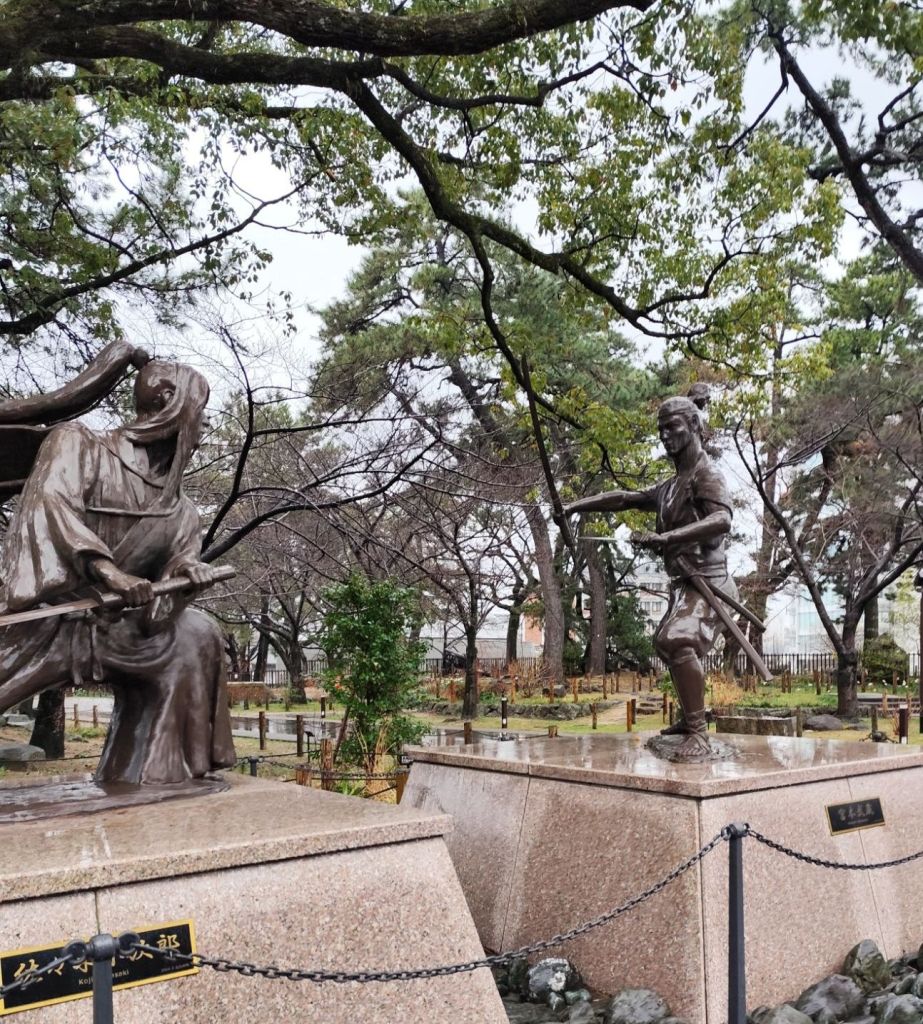
In 1612, Musashi challenged Sasaki Kojiro of the Kokura clan, (called « the Demon of the western provinces) to a duel. According to the story, Musashi wanted to determine who was the greatest sword master. Therefore, on the 13th of April 1612, the 2 masters will fight on Ganryushima island, Funashima. Musashi would have arrived three hours late to destabilise his opponent and defeated him with only a bokken, training sword used during training.
What to do/see
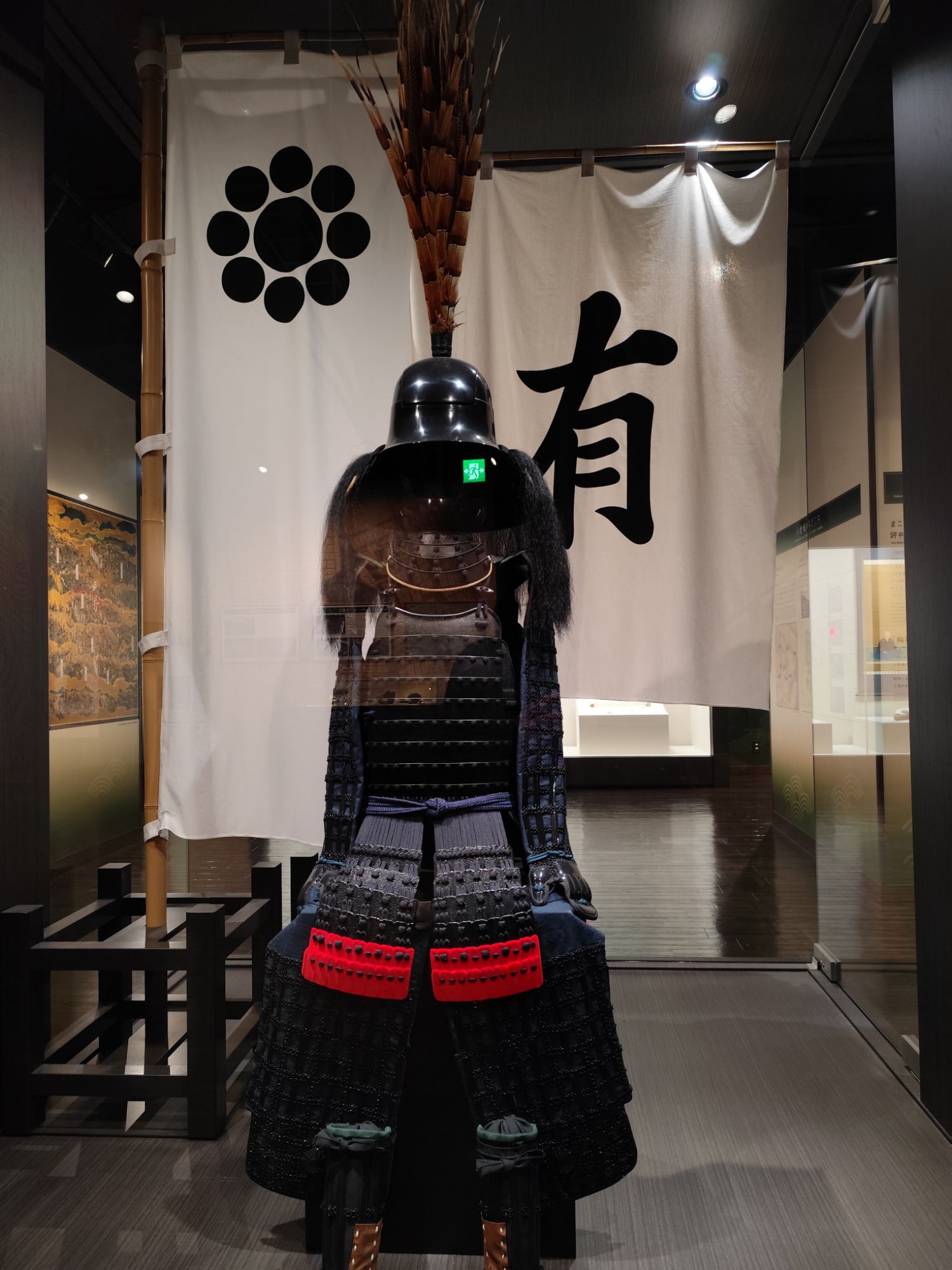
My train arrived around 11am and I went straight to Kokura Castle where I got a ticket for both the castle and the gardens (560¥). The castle’s museum was very interesting with items, history panels going from the Sengoku era to the edo era. There also is a theater on the 1st floor with a very interesting short about Kokura’s history and interactive activities to experiment life during the sengoku era.
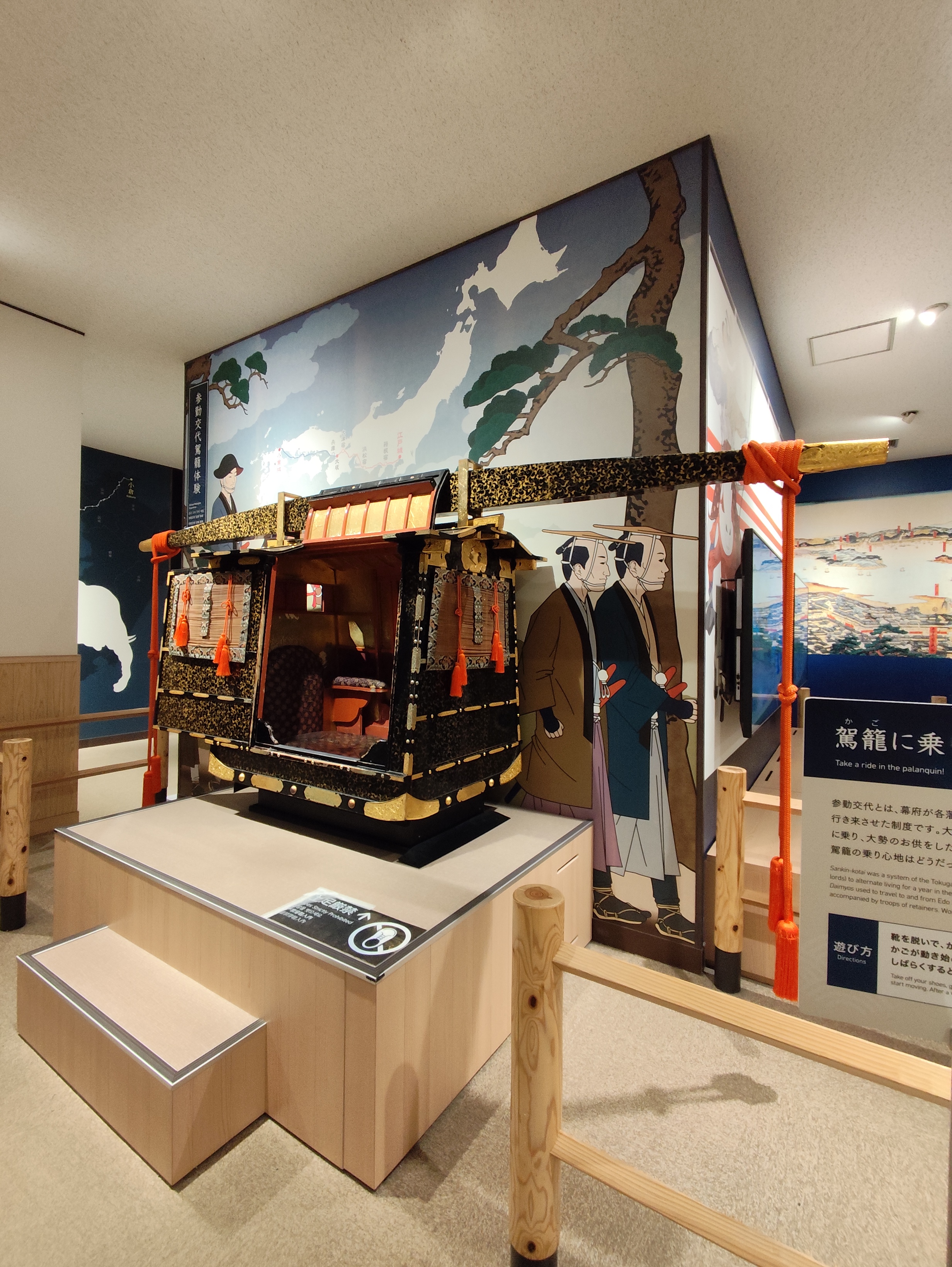
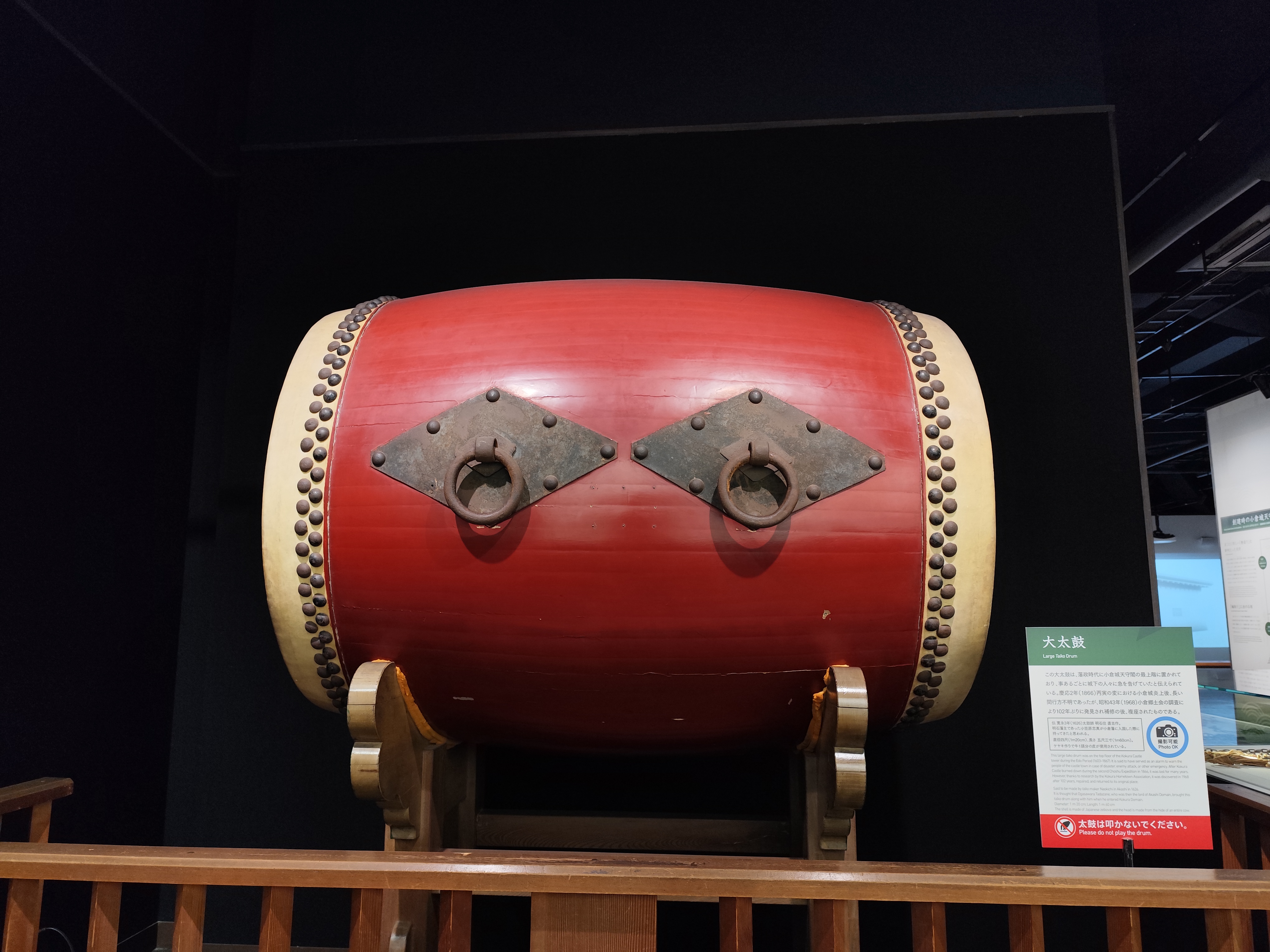
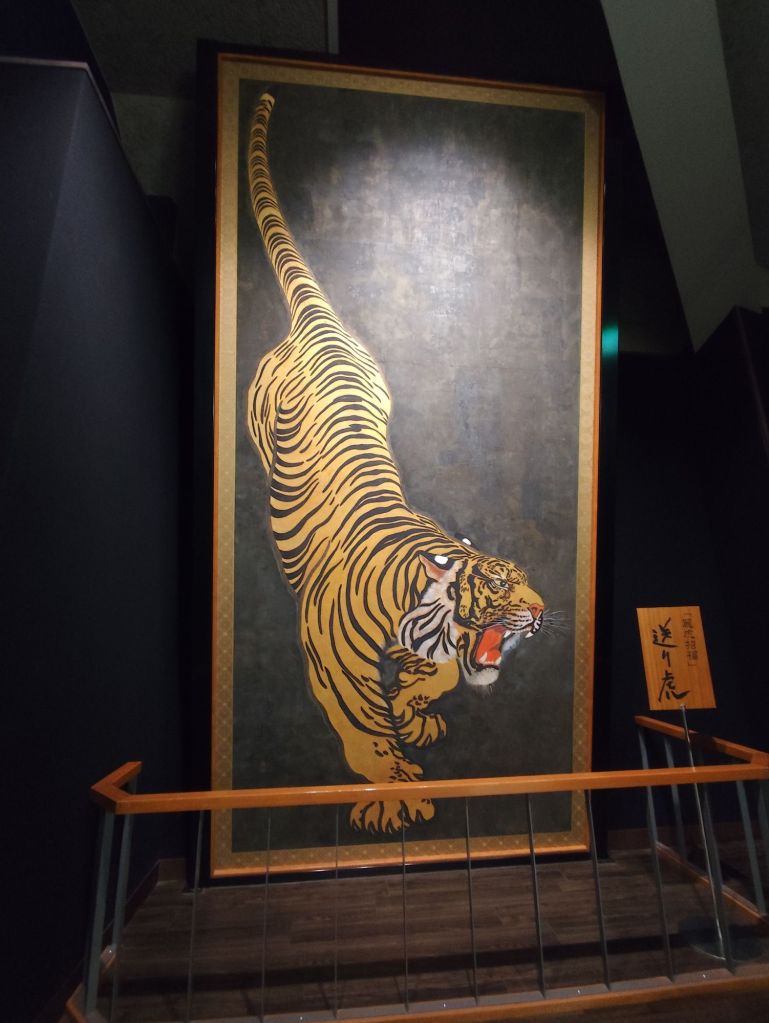
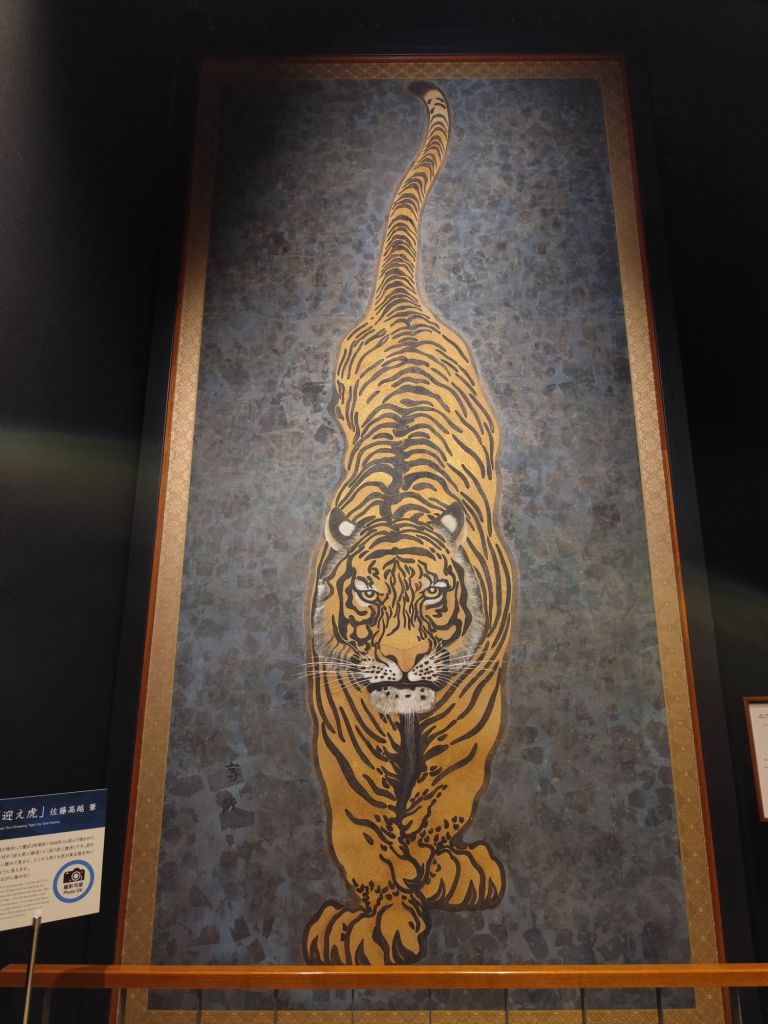
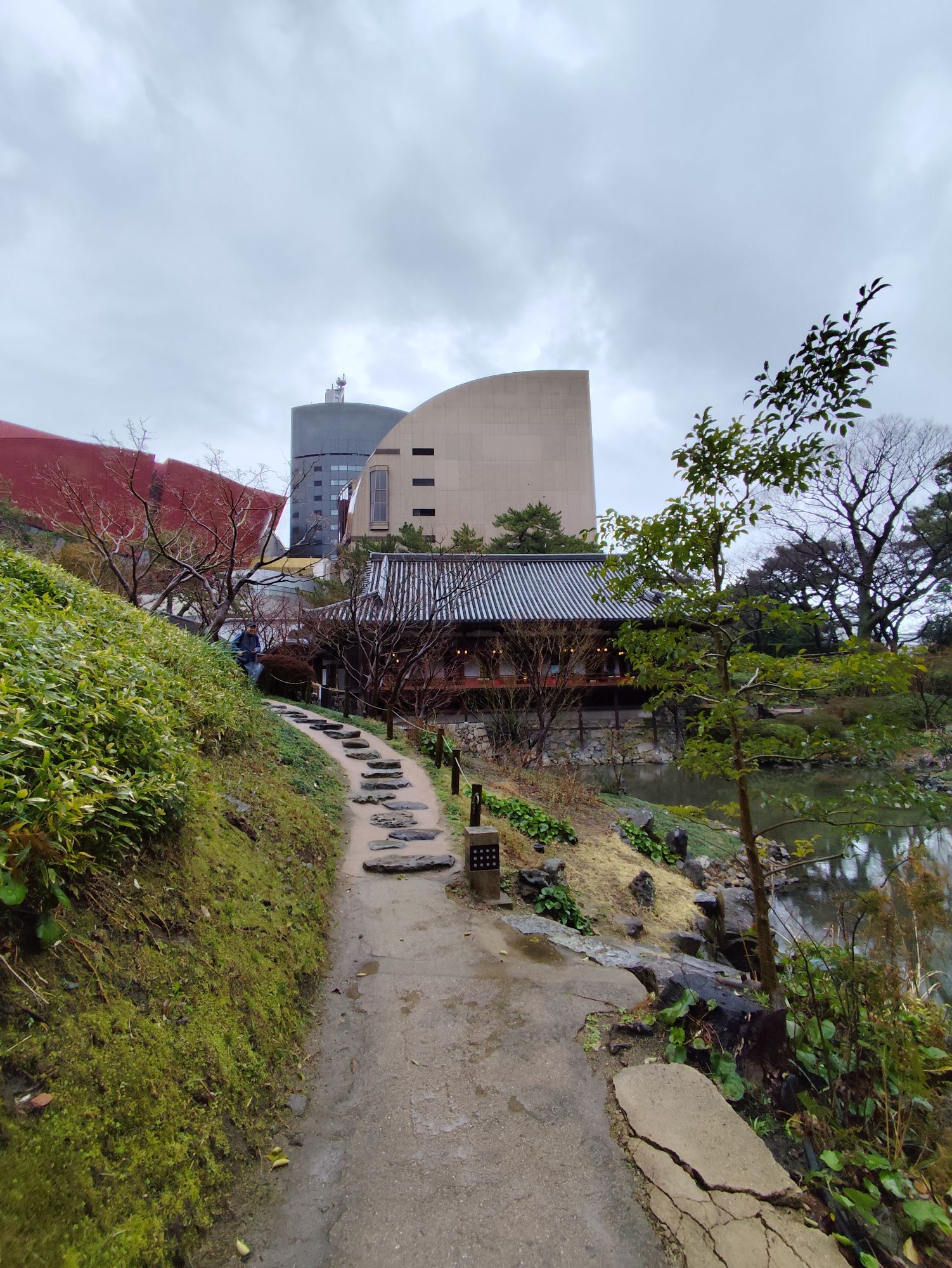
After the castle, I walked around the gardens. It’s a beautiful Japanese-style garden with a manor of a feudal lord where we can learn more about the Ogawara family, etiquette and enjoy the teahouse. At the exit you can also find an exhibition room, it was very interesting but only the introductory movie was in English..
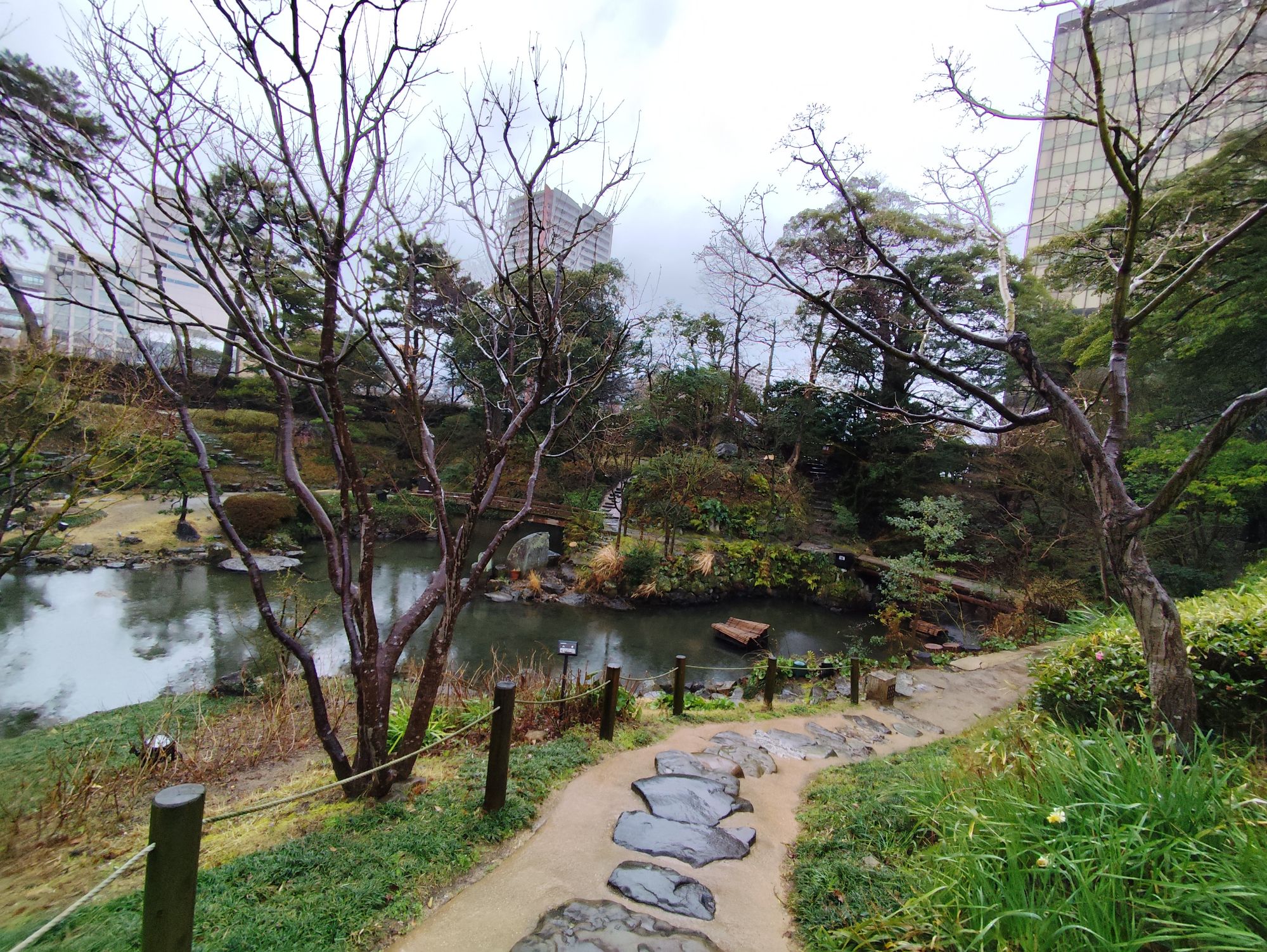
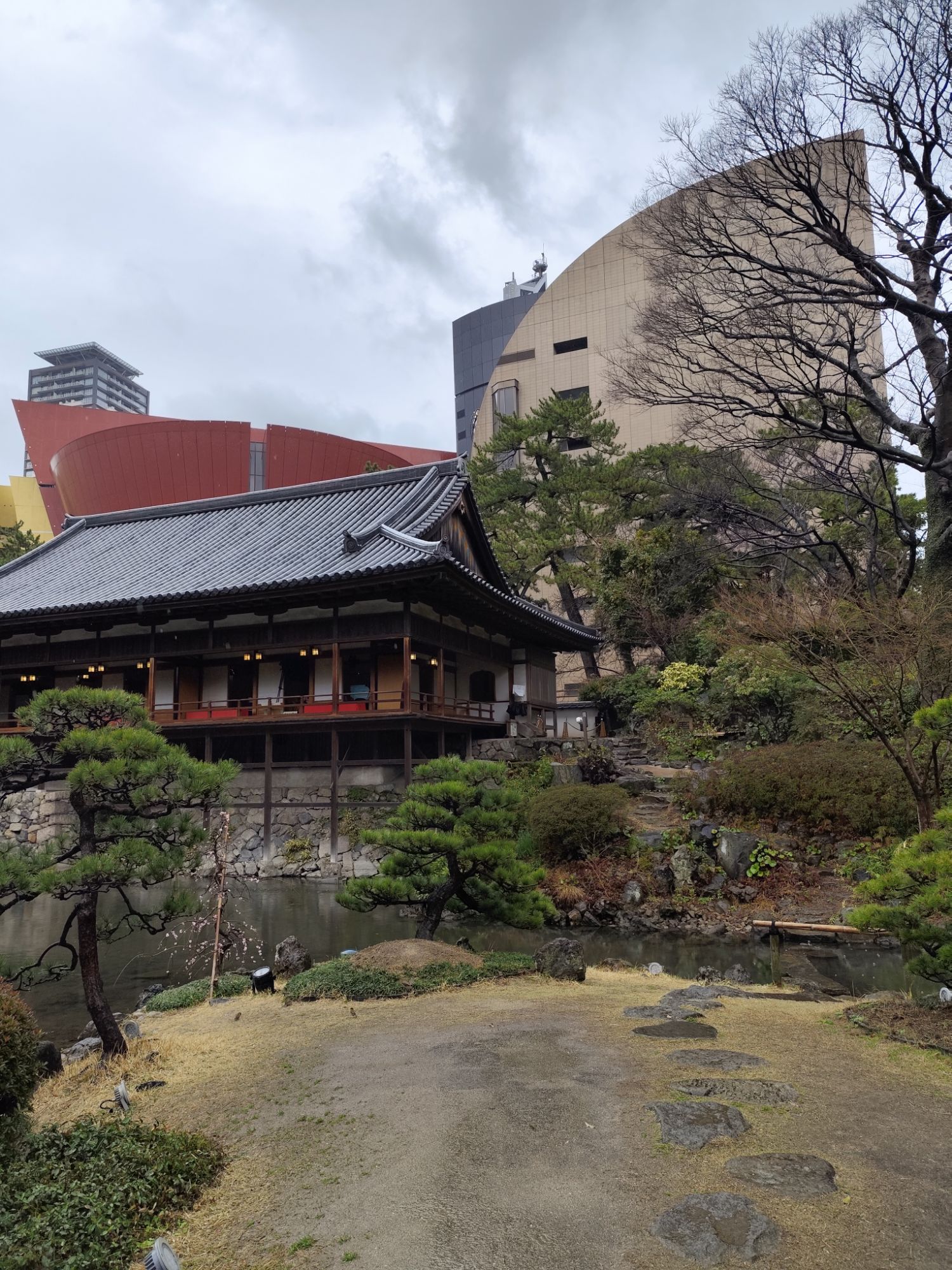
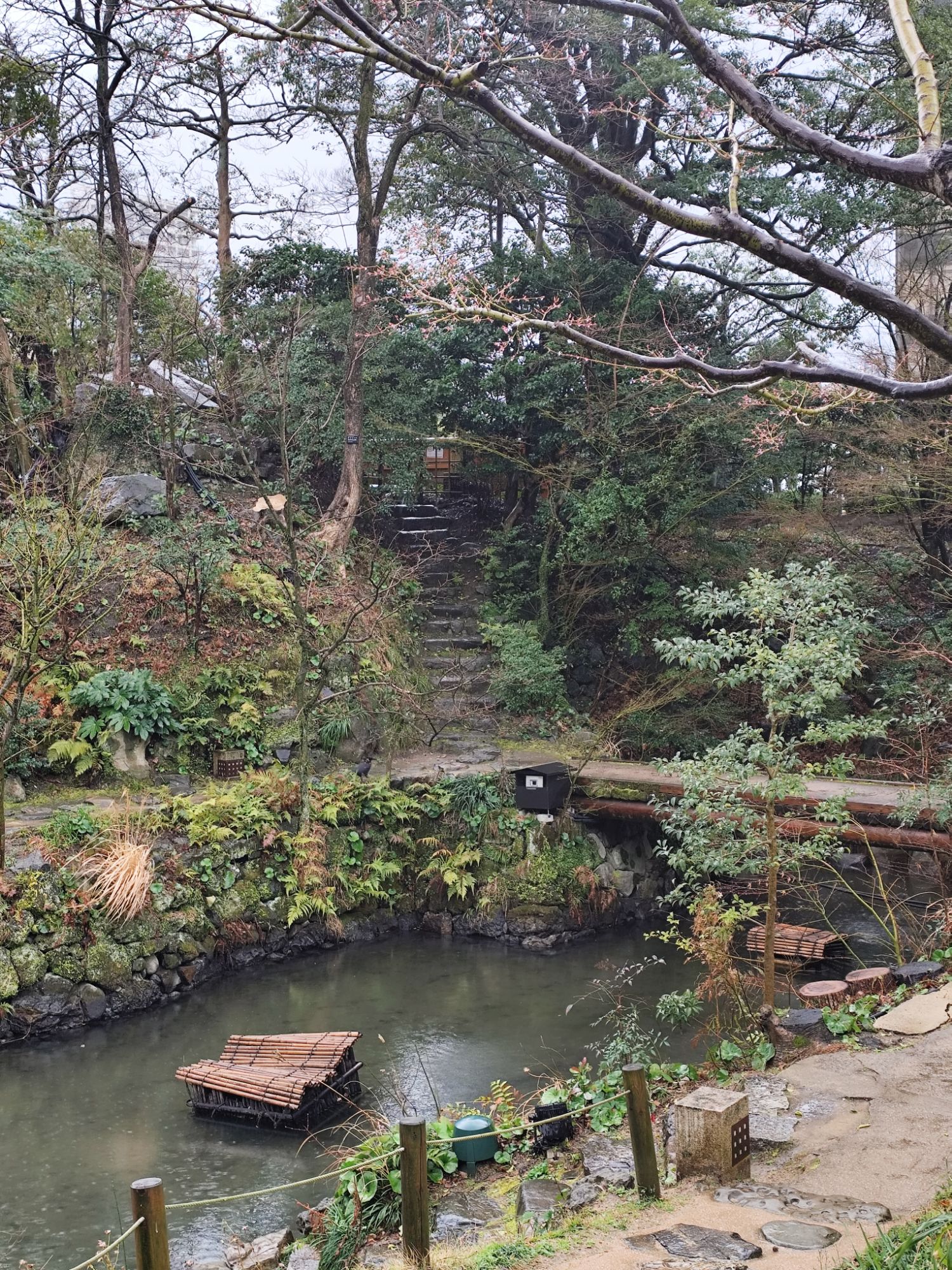
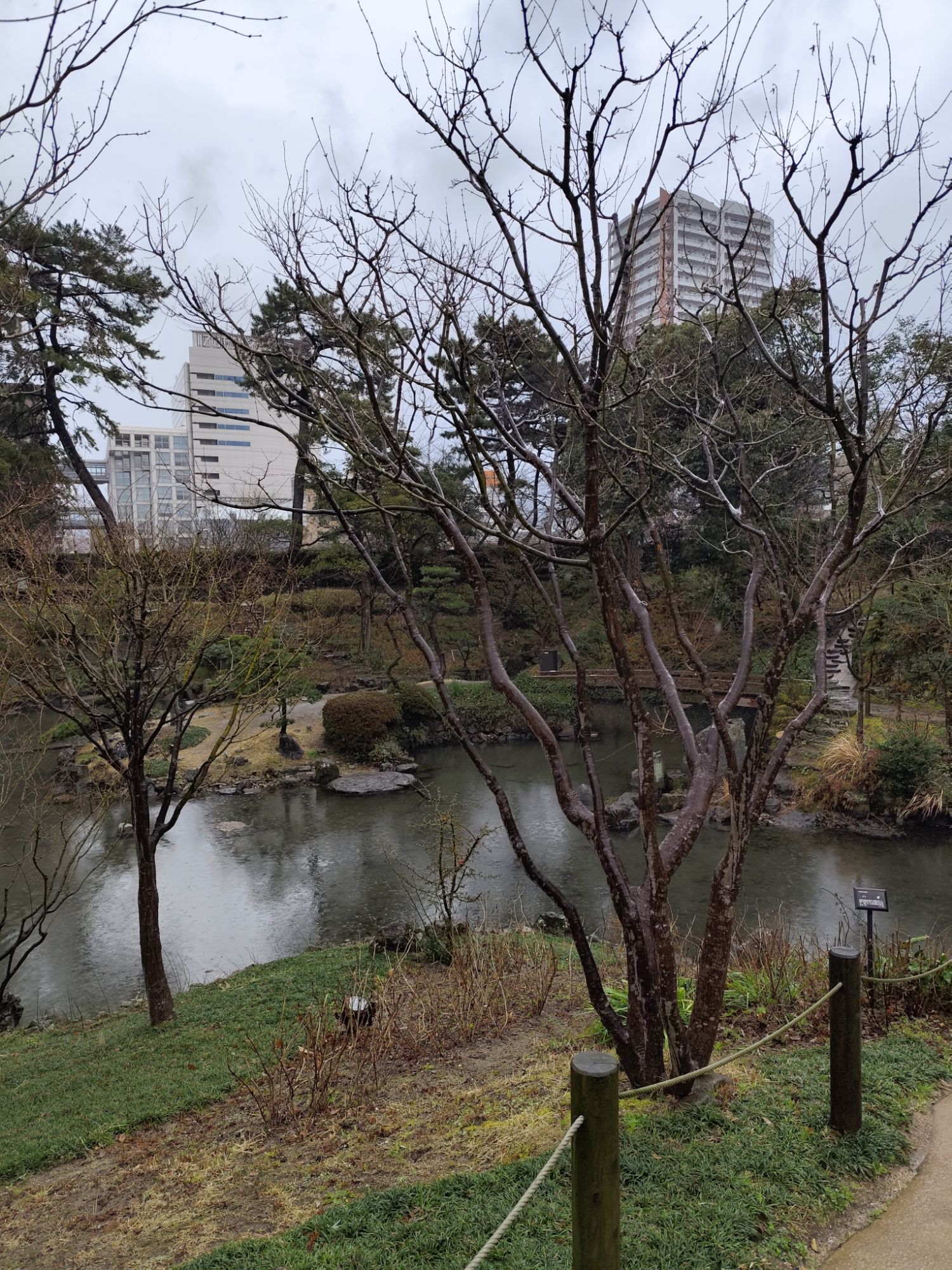
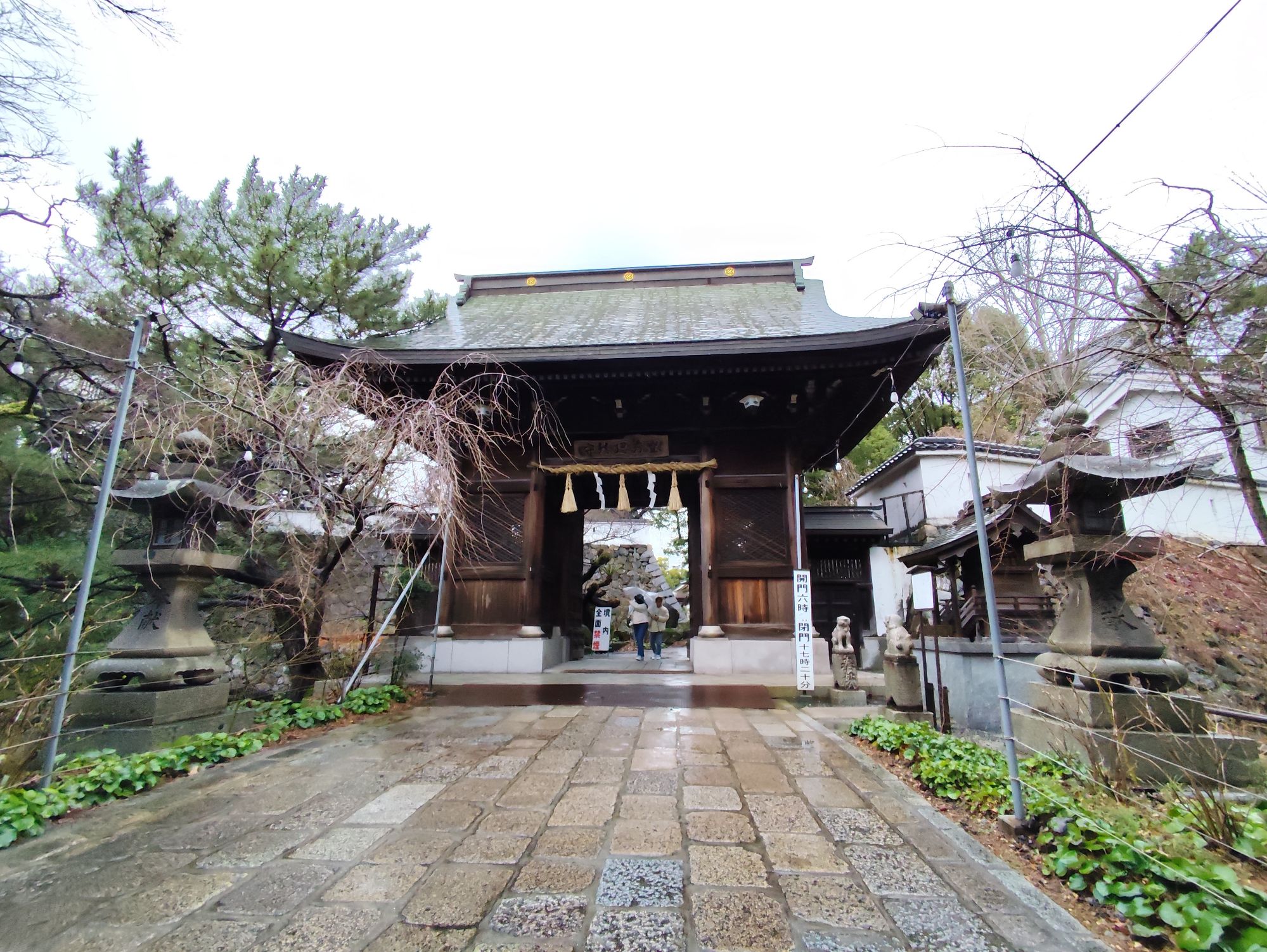
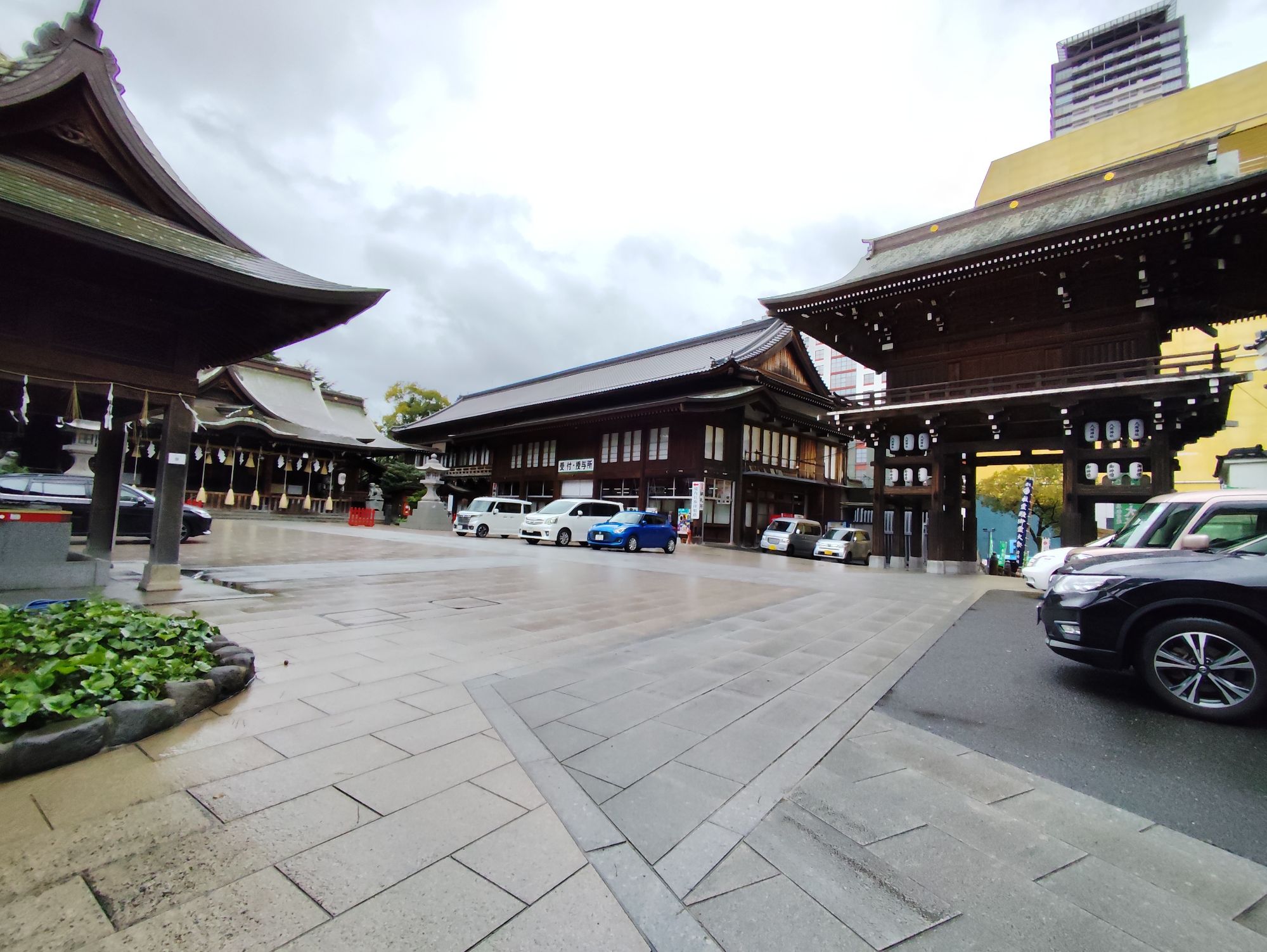
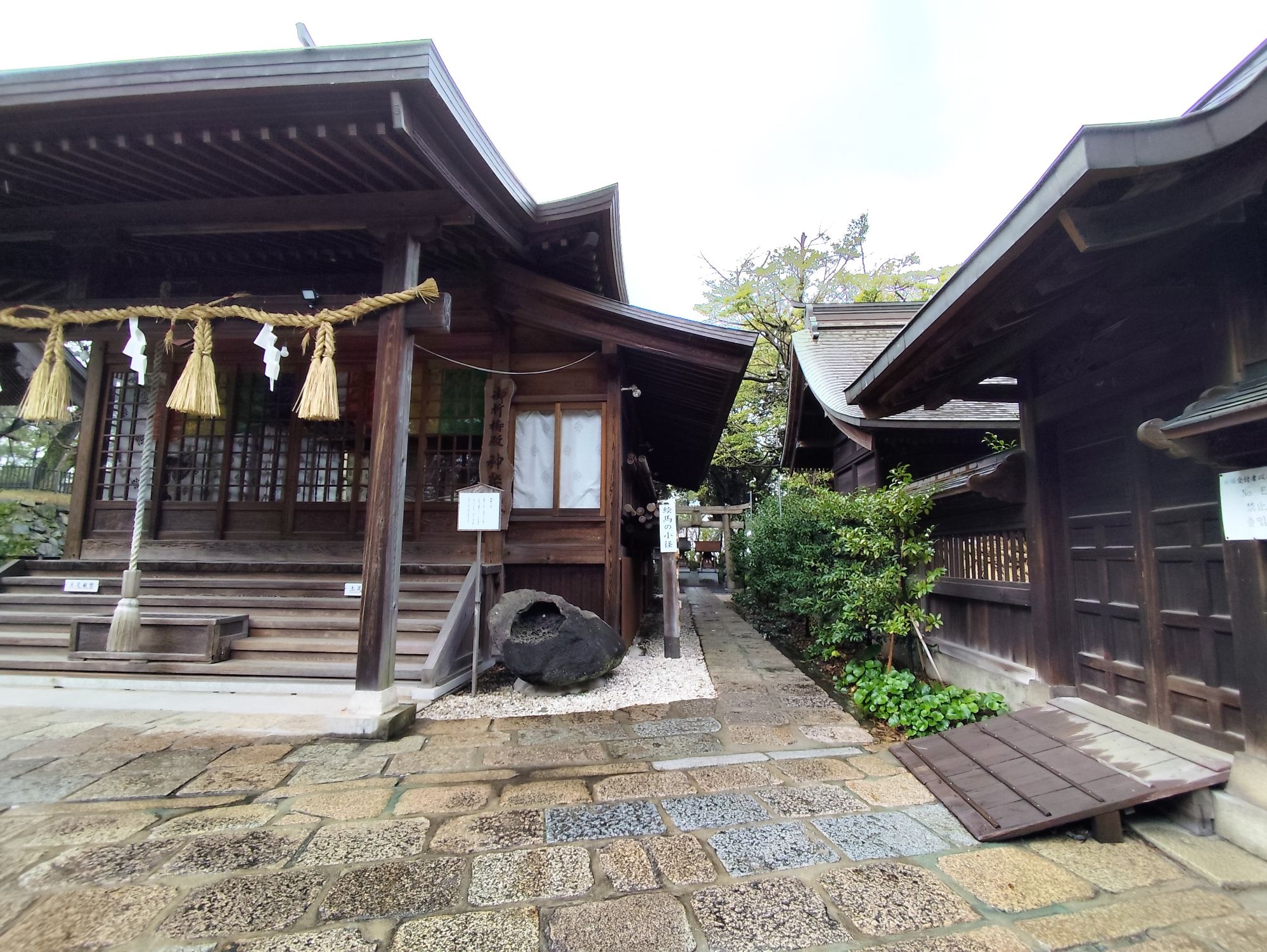
There’s also a shrine (Yasaka jinja) a little hidden next to the castle where you can get a goshuin!
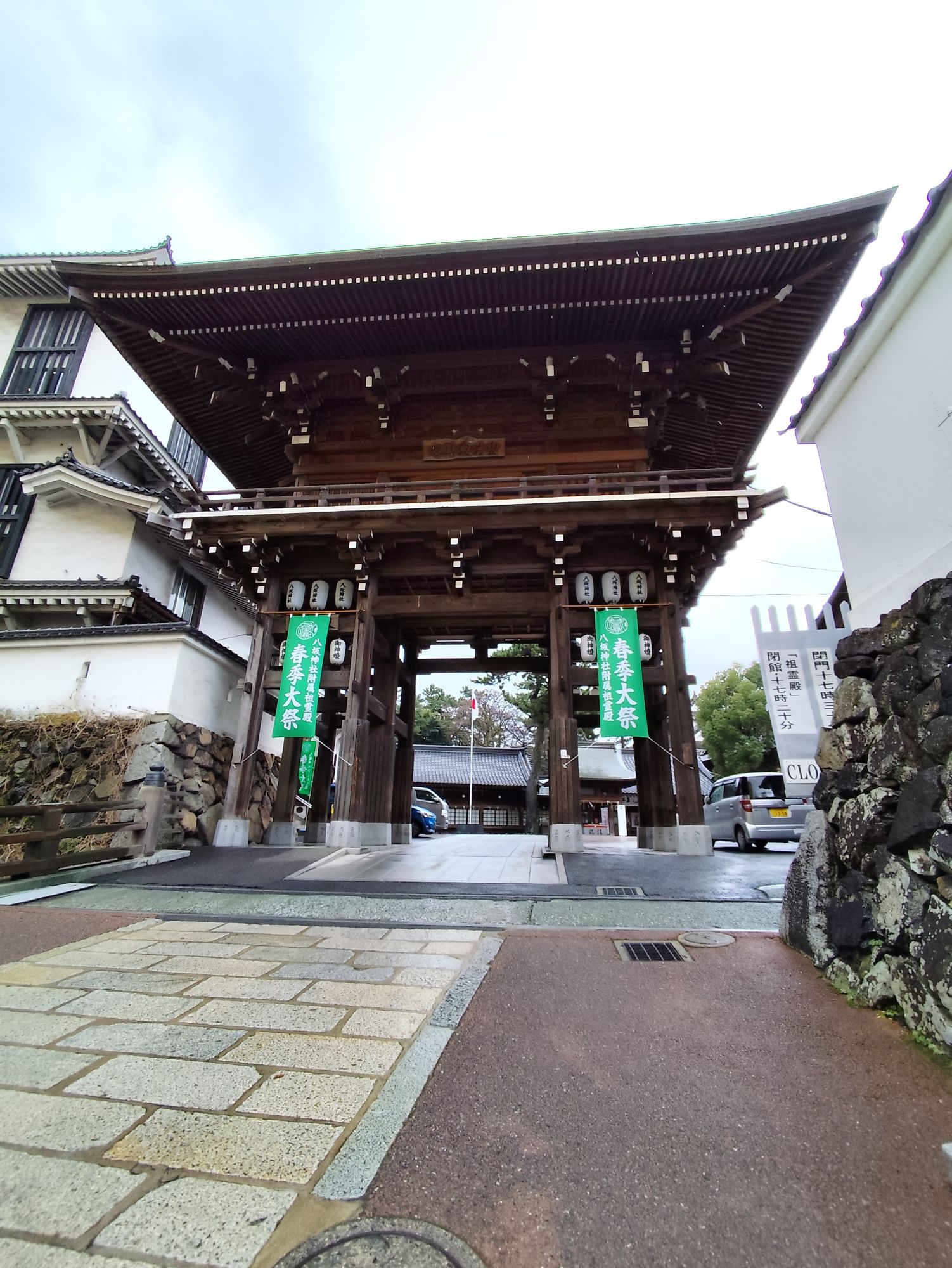
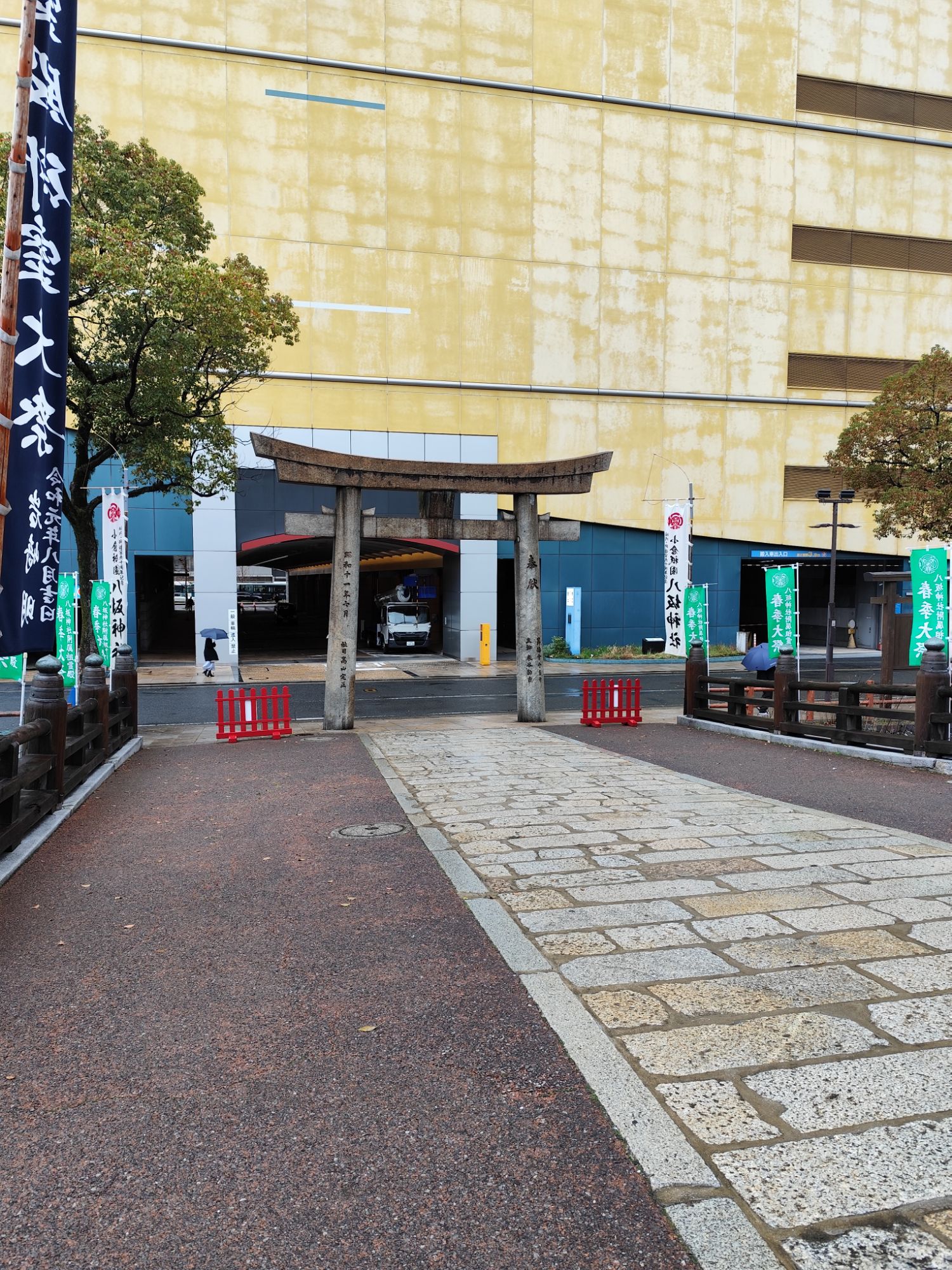
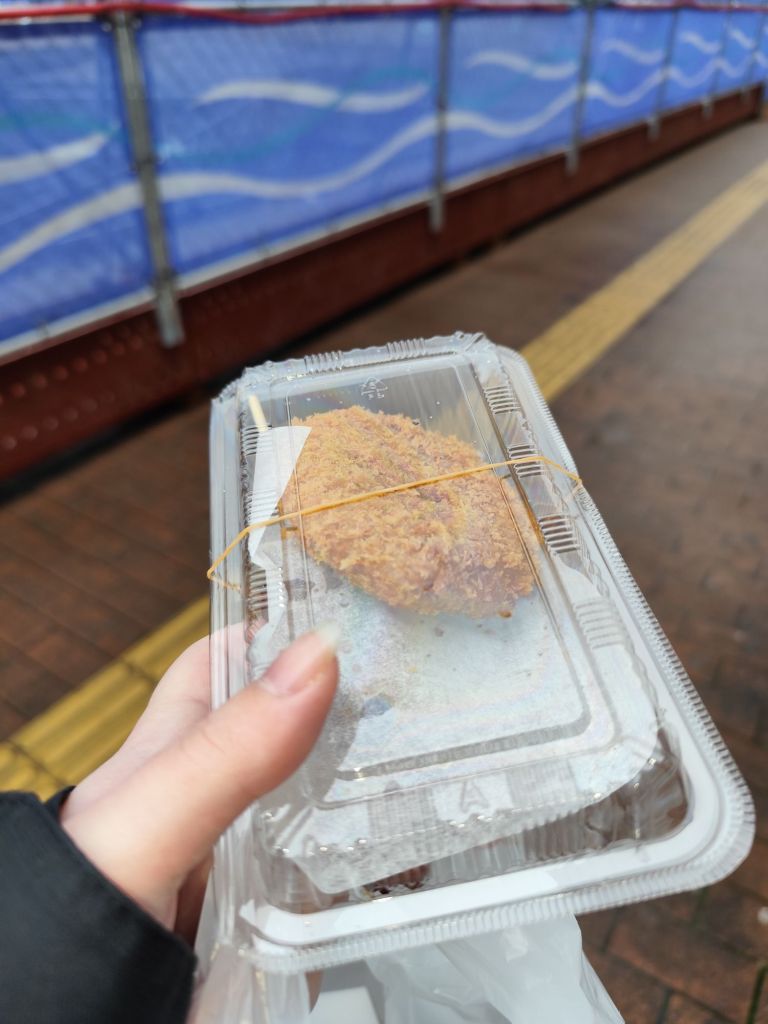
Around 12-1pm, heading to Tanga market, a covered market with fresh food and street food stalls!
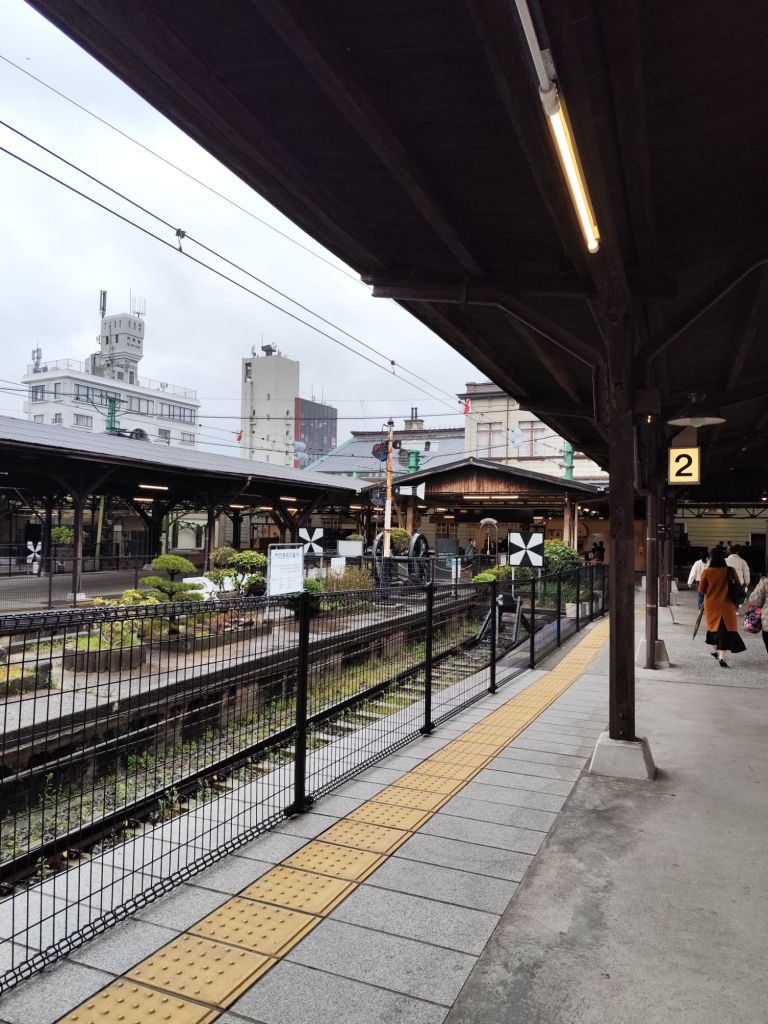
Then heading to Mojiko Retro, its harbor and its western-style buildings. The port opened in 1889 as an international trade harbor.
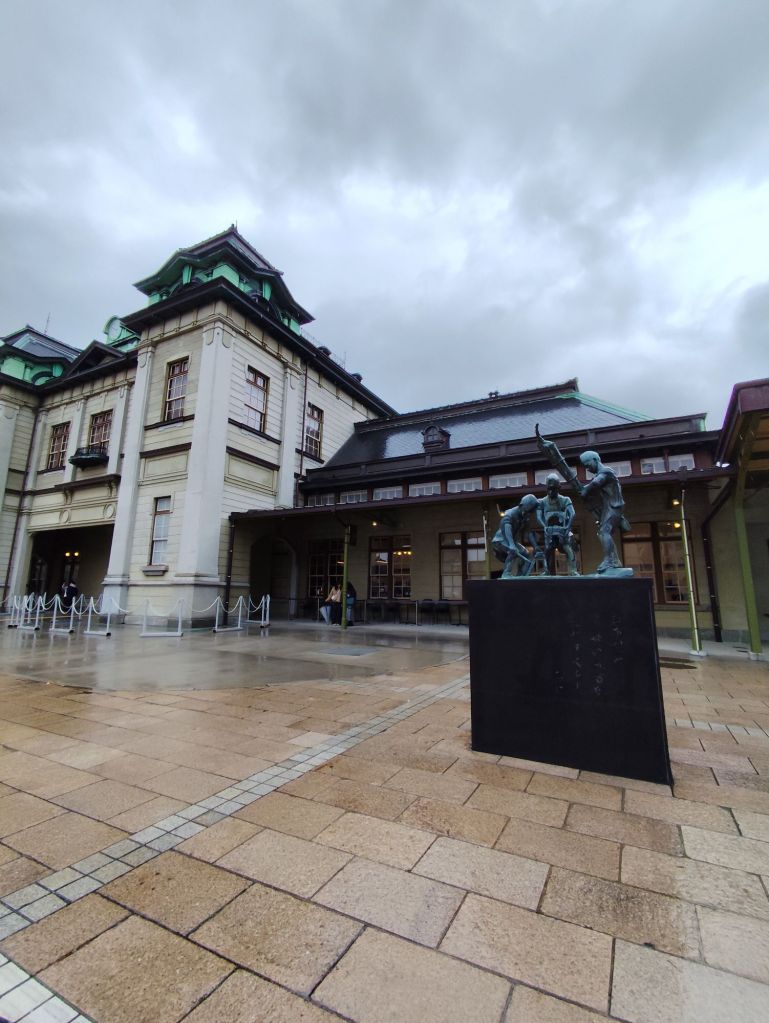
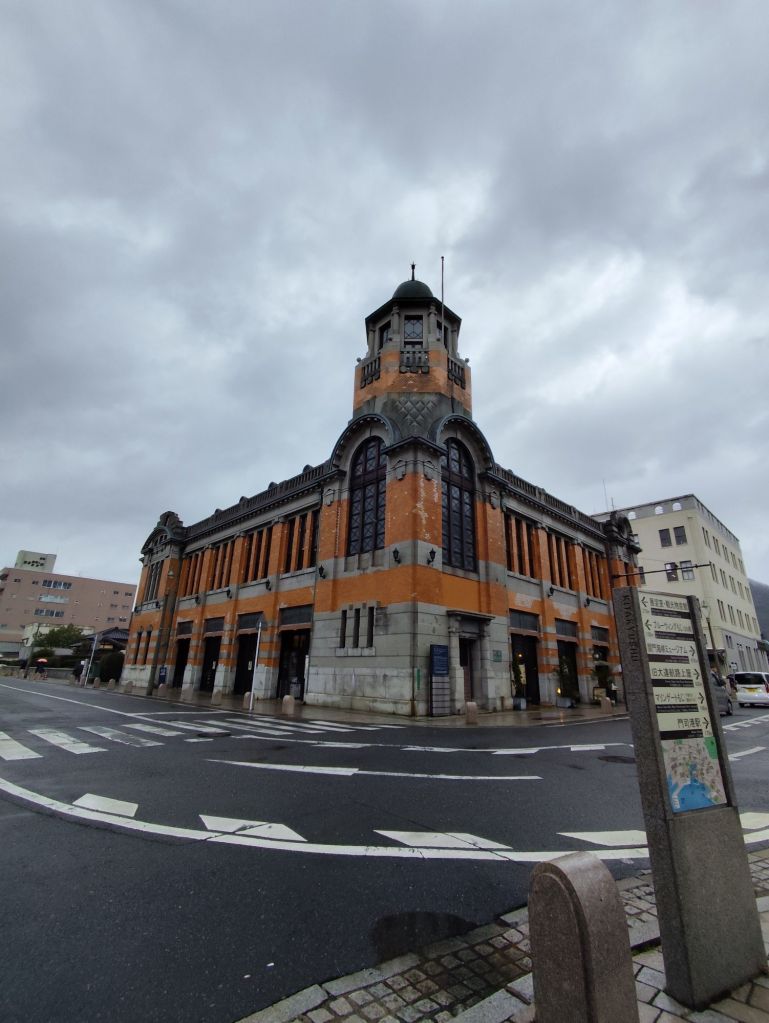
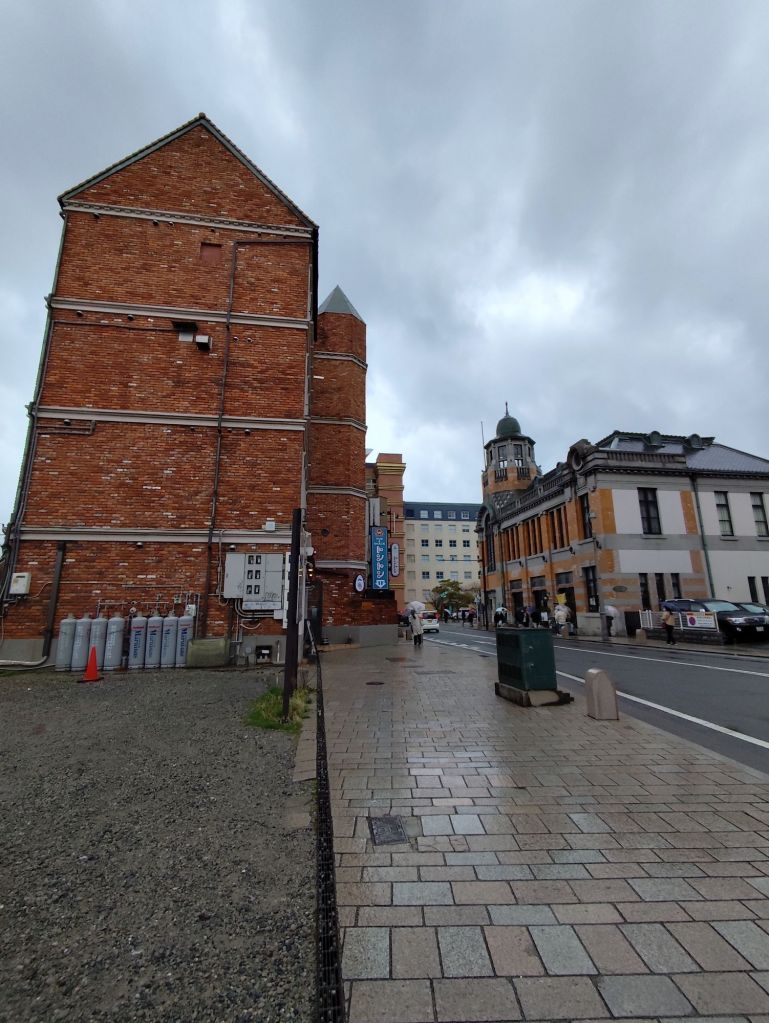
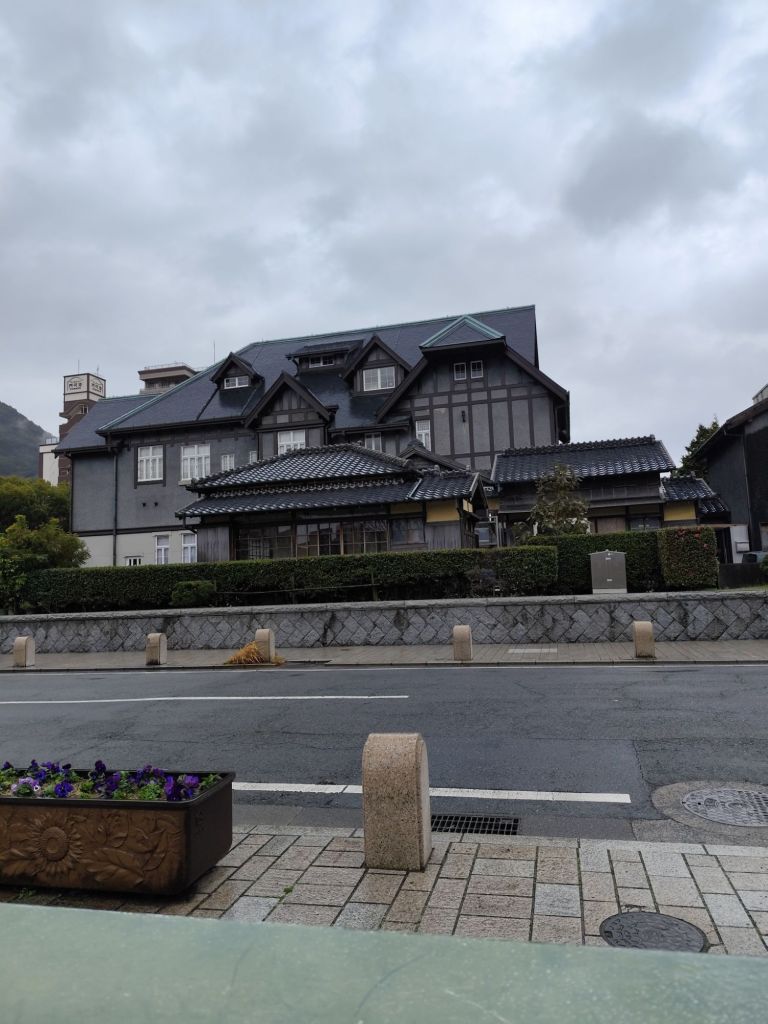
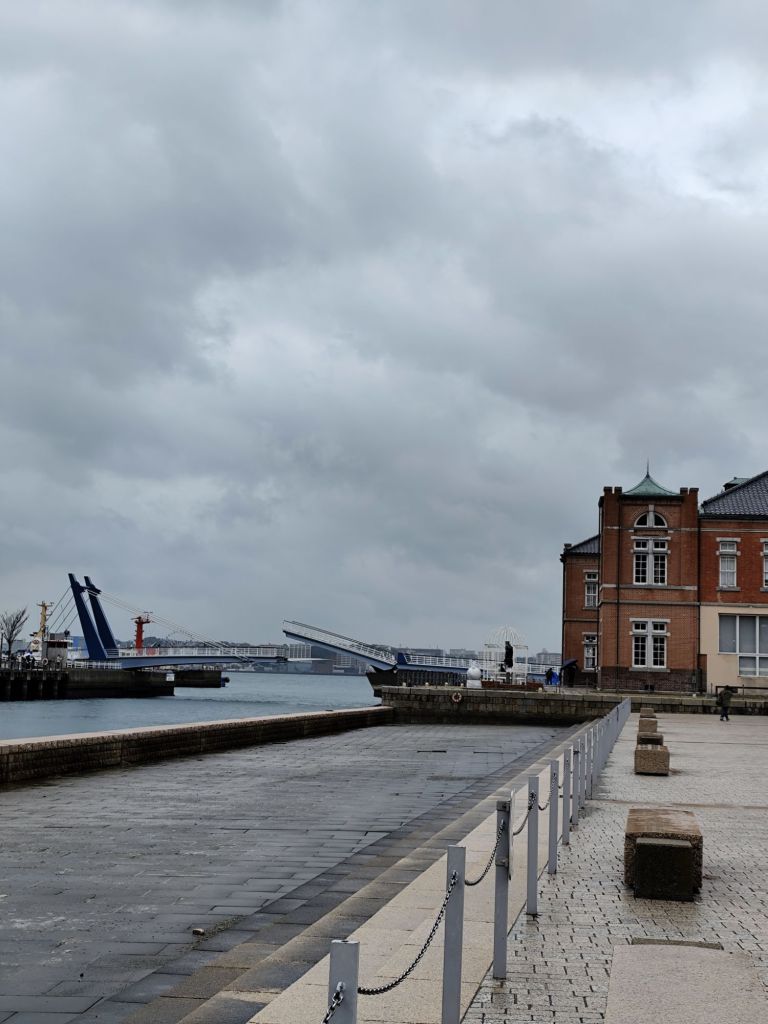
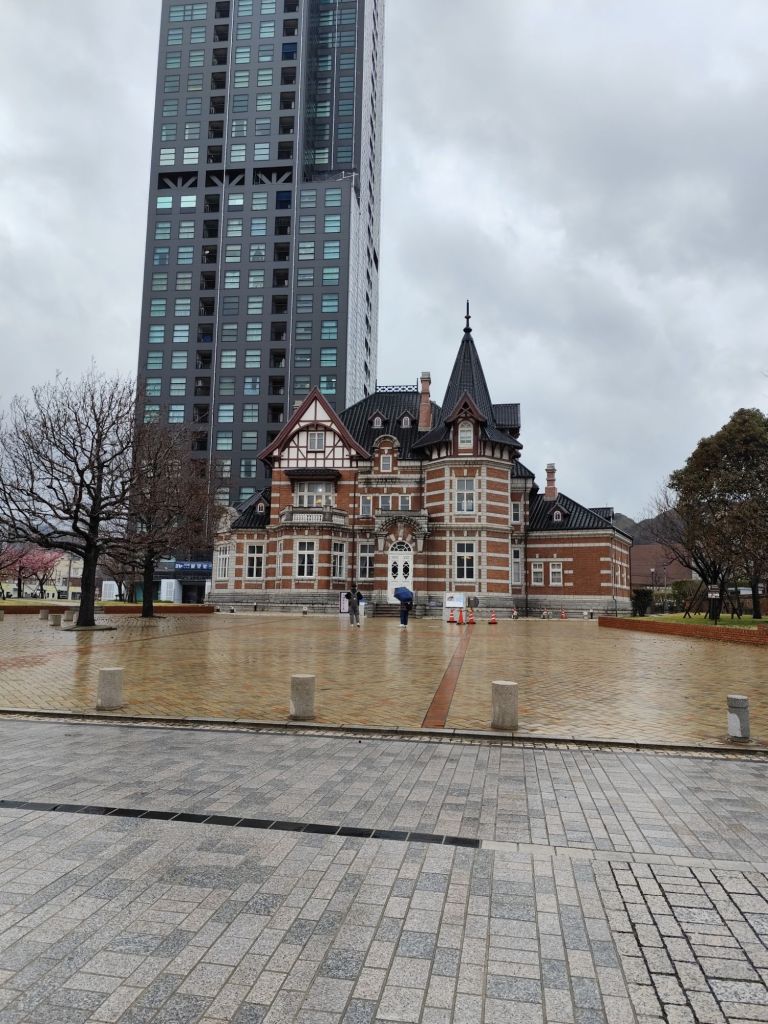
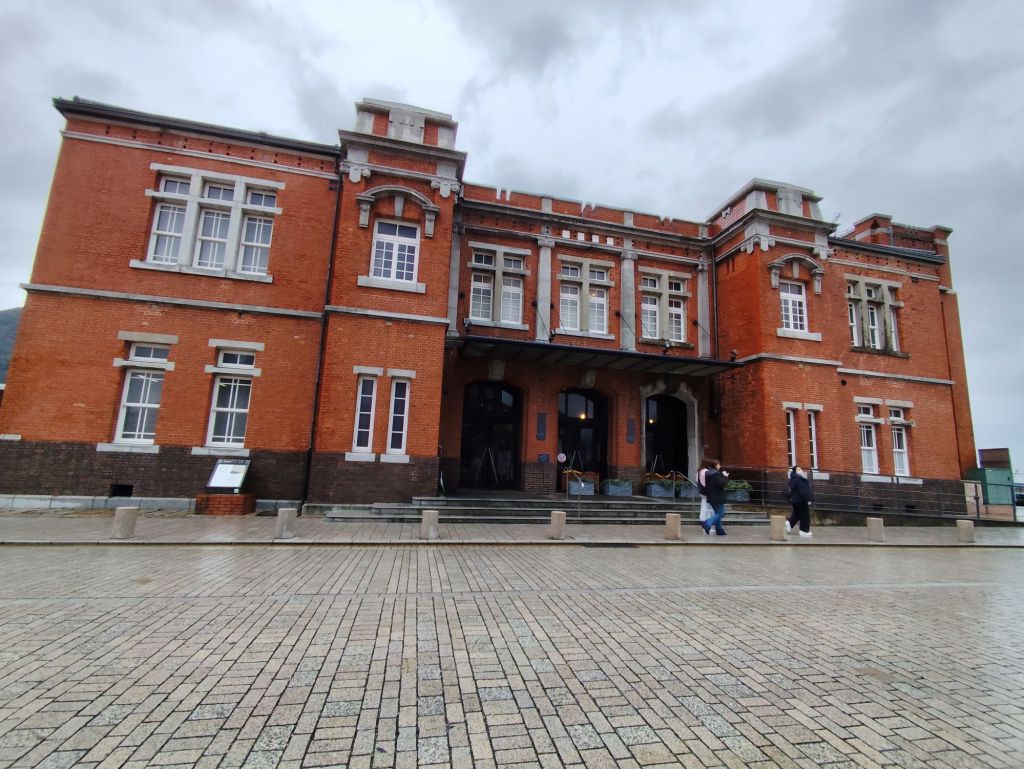
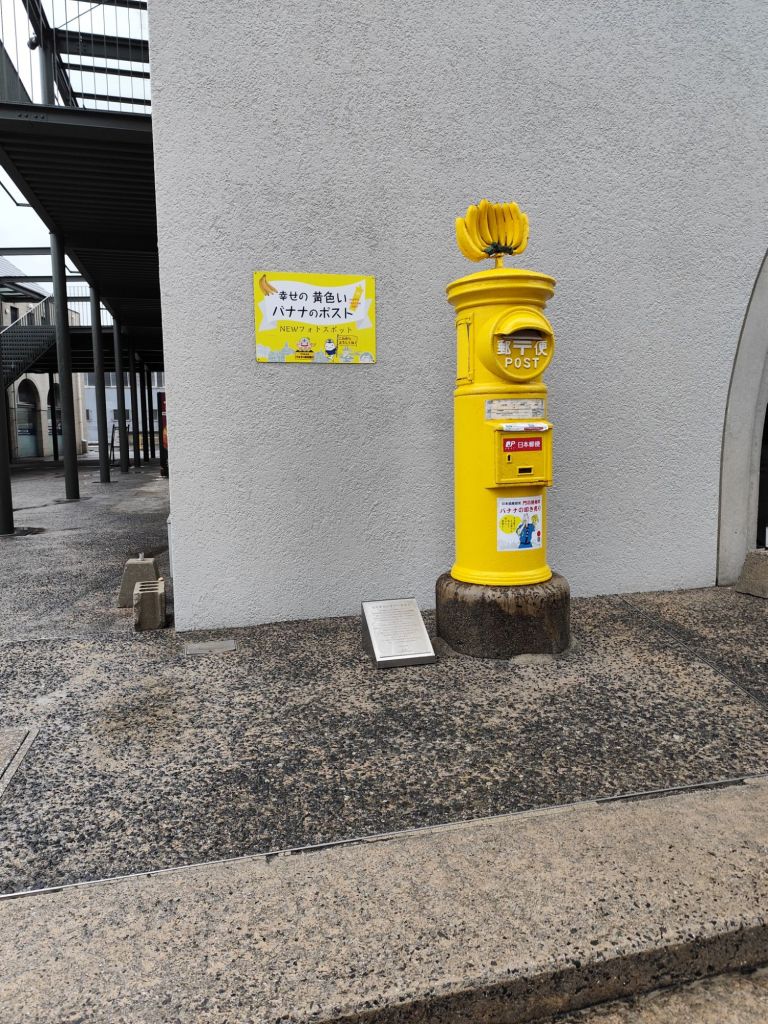
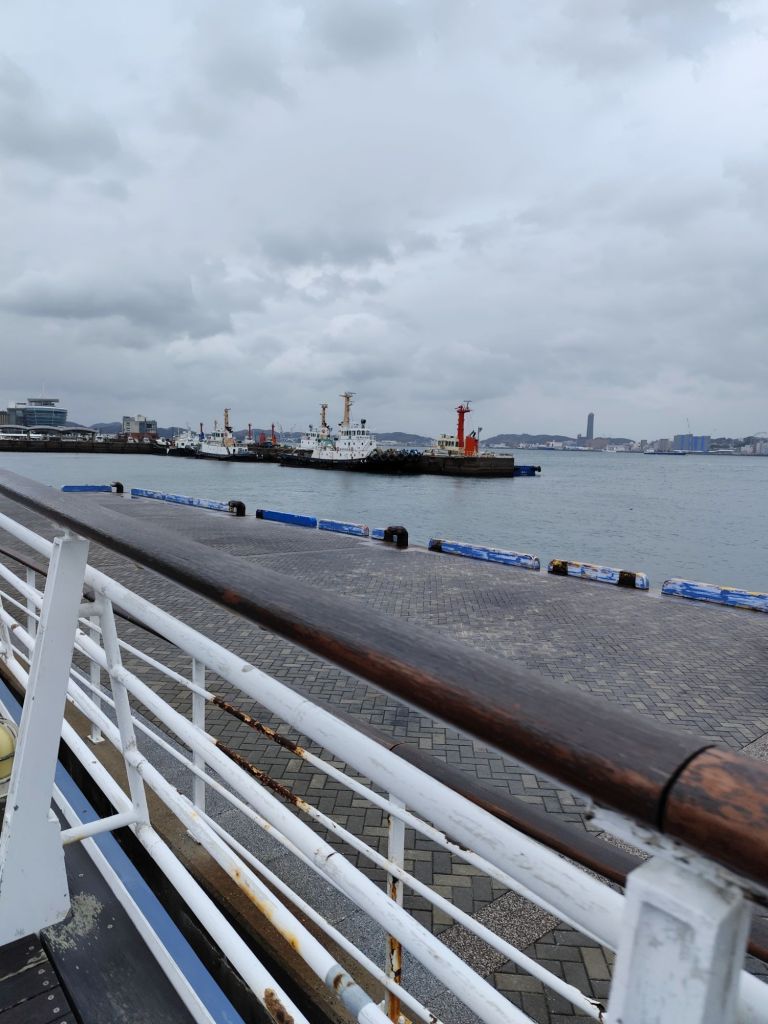
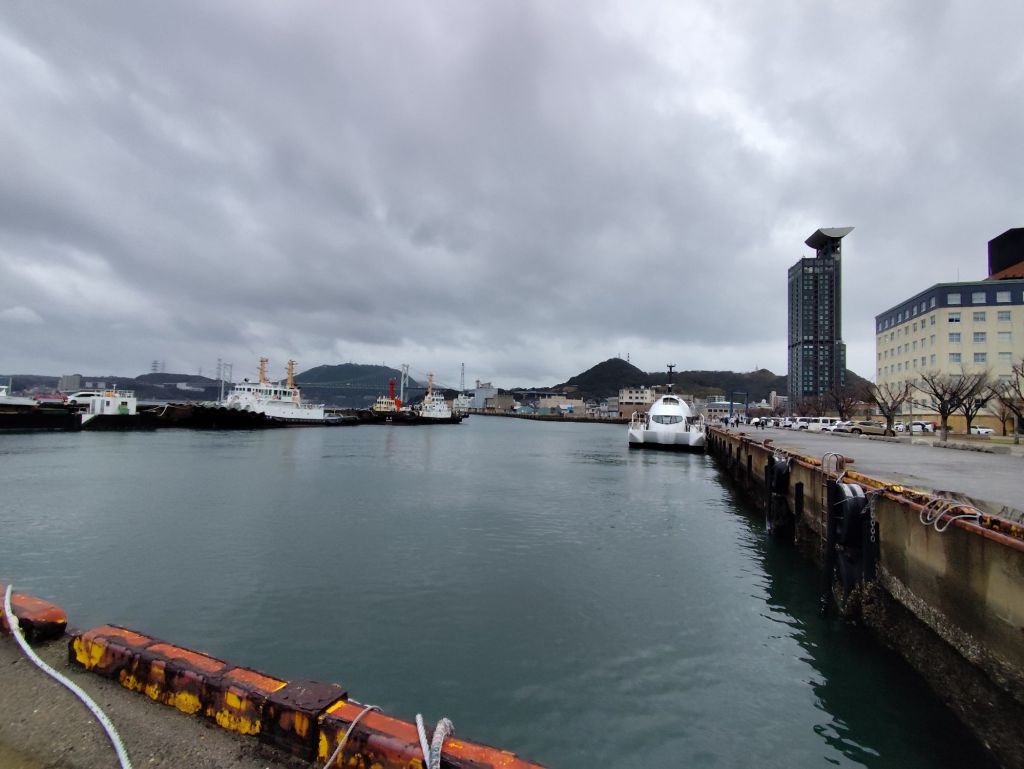
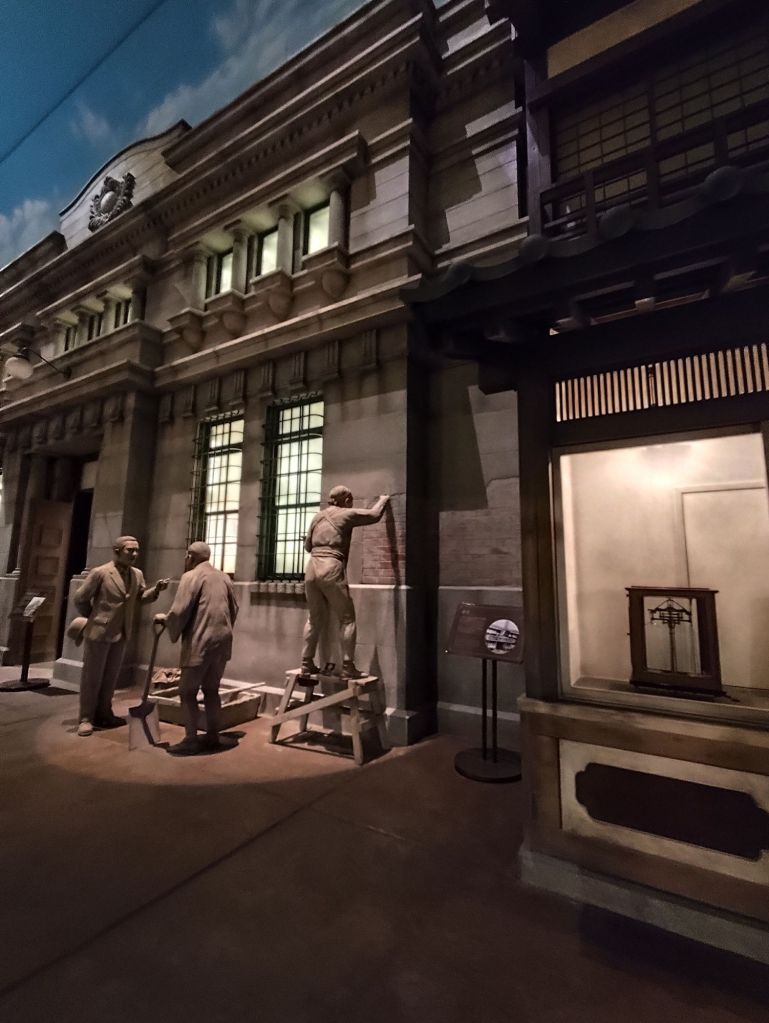
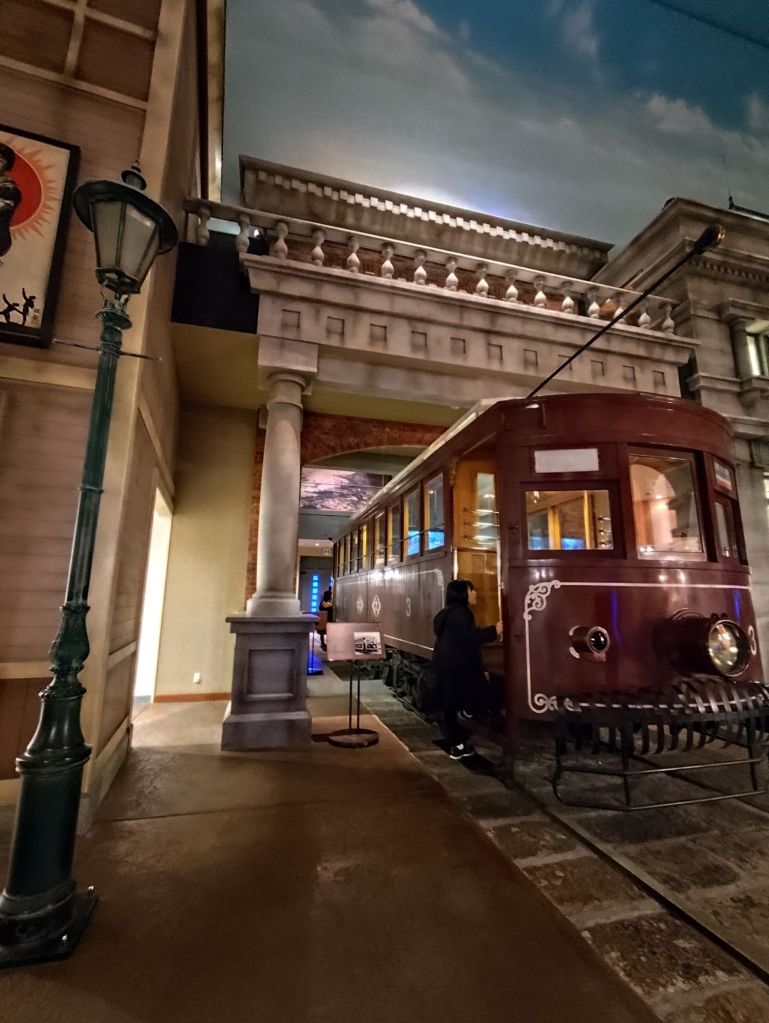
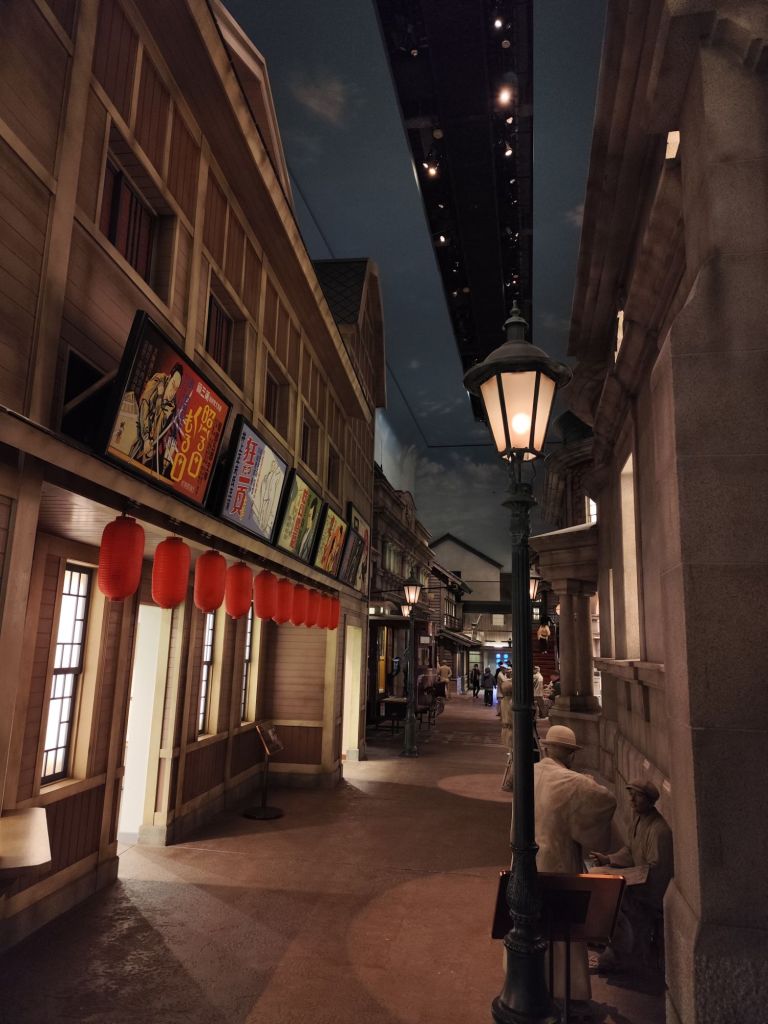
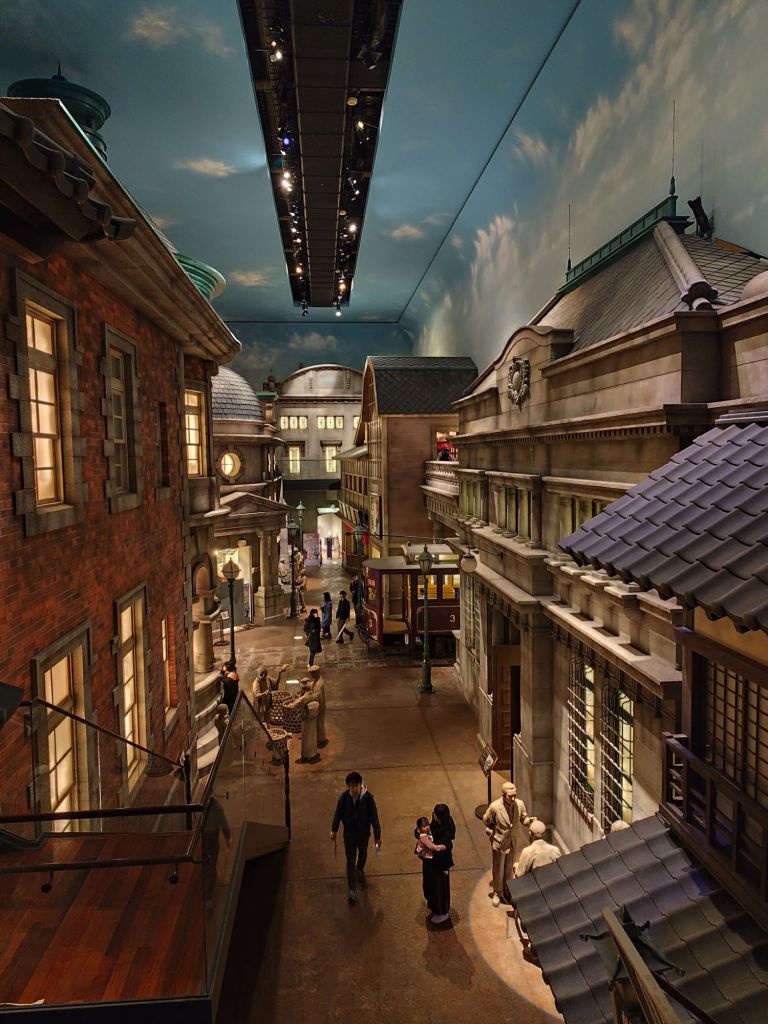
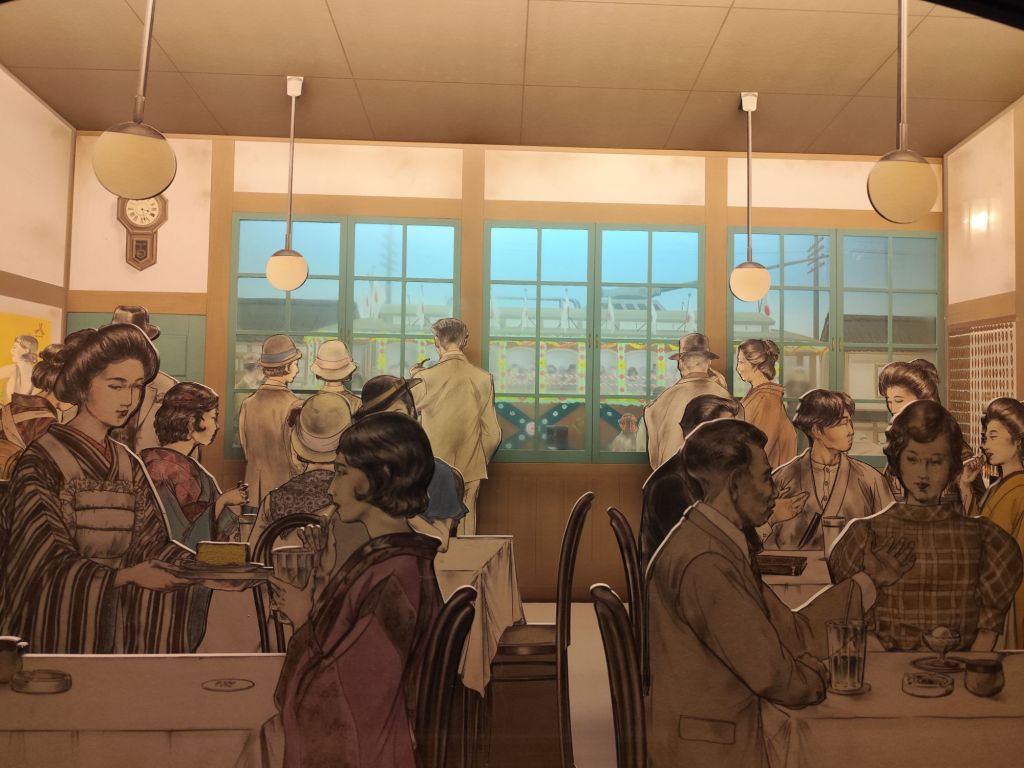
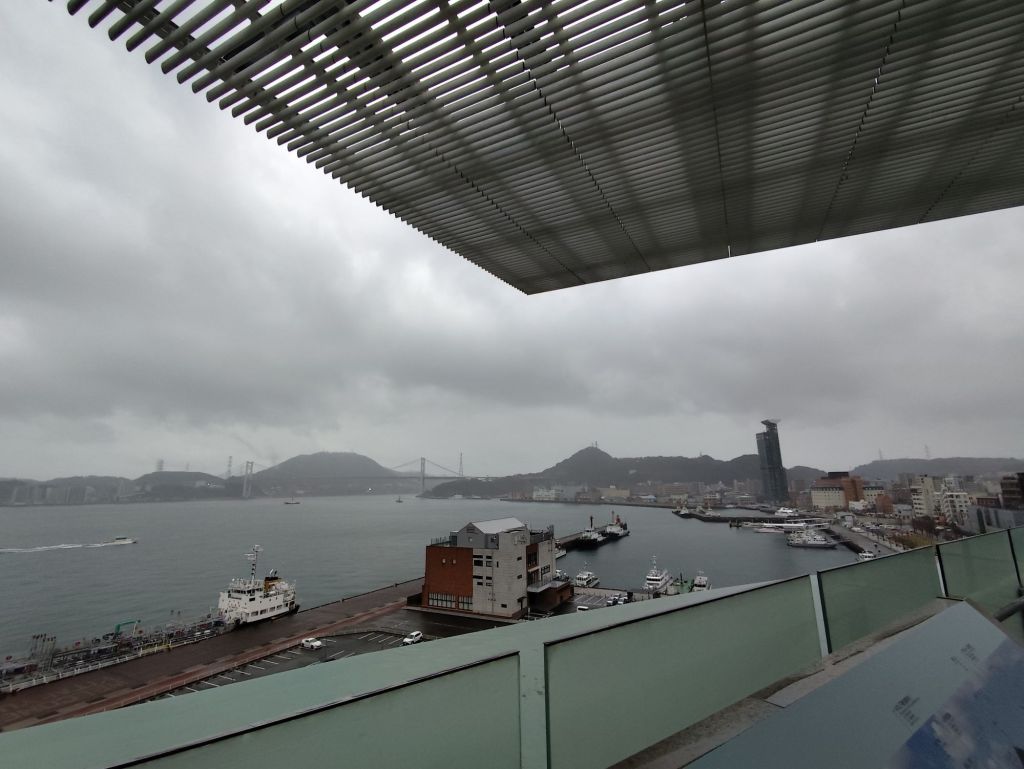
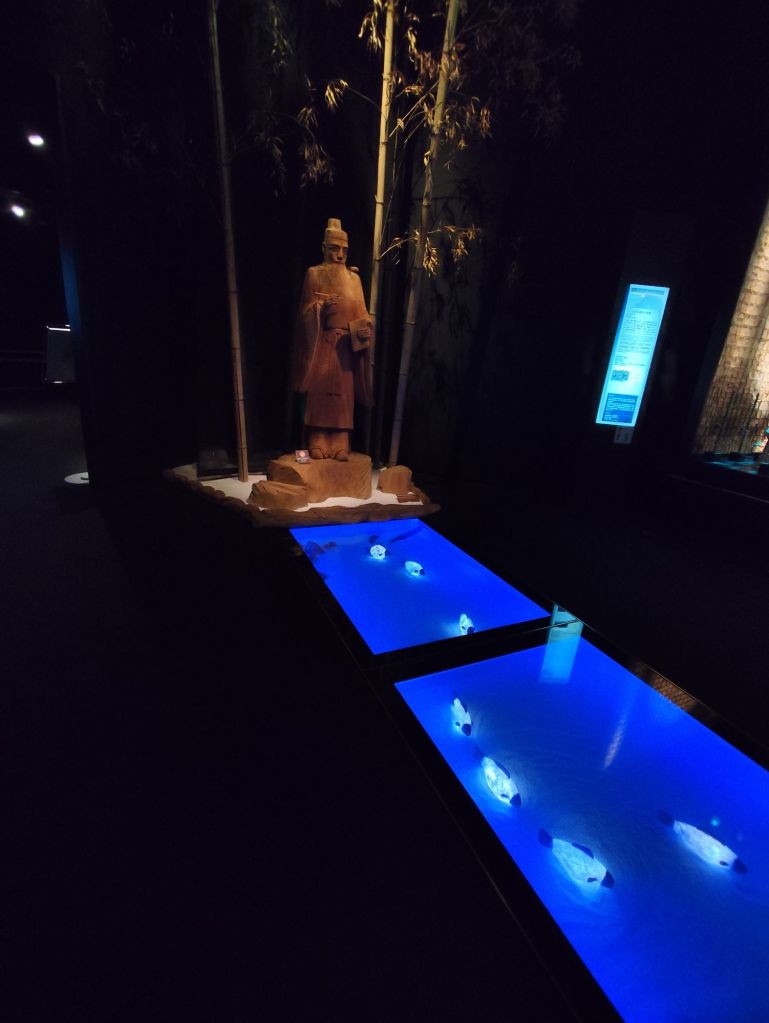
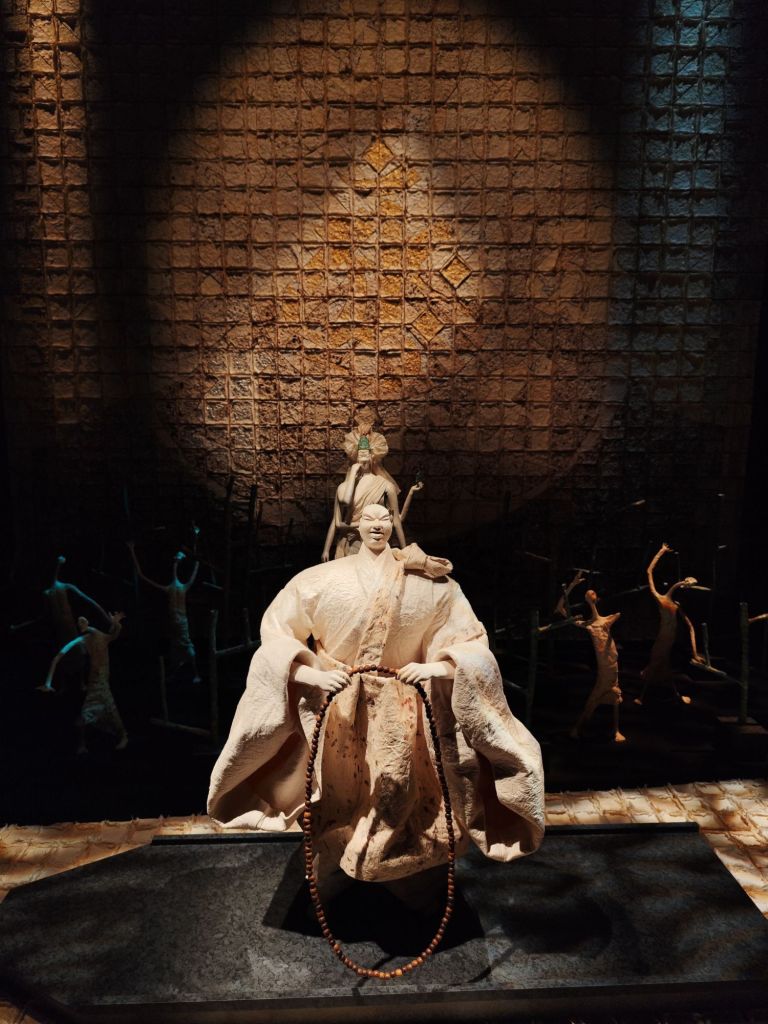
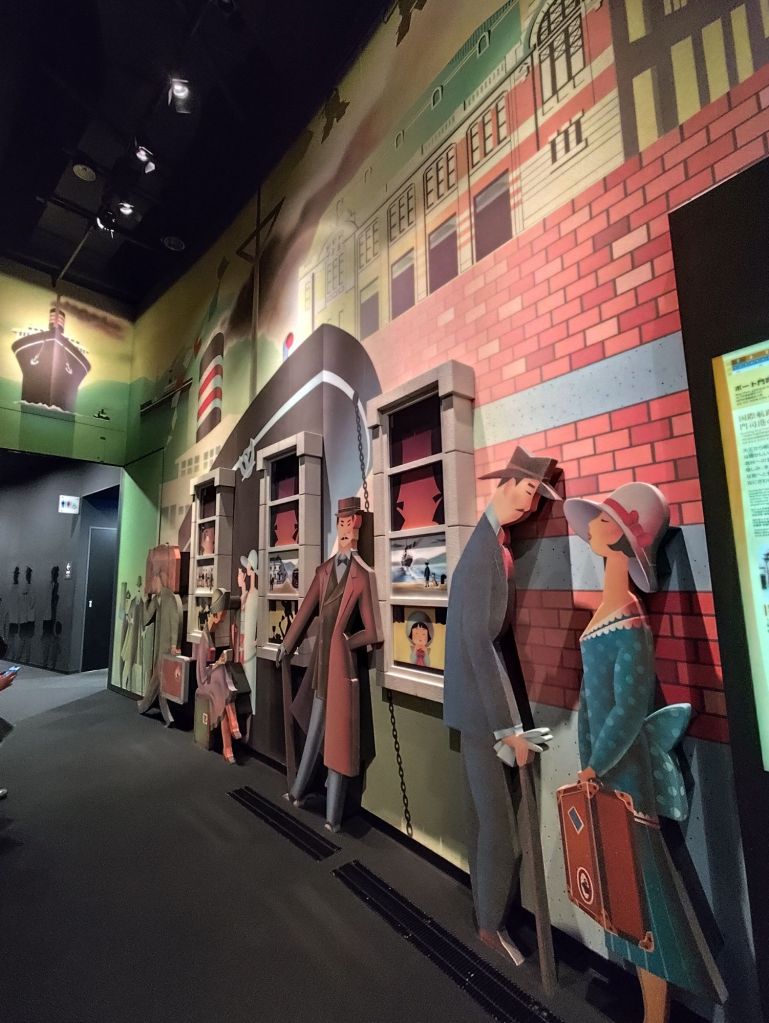
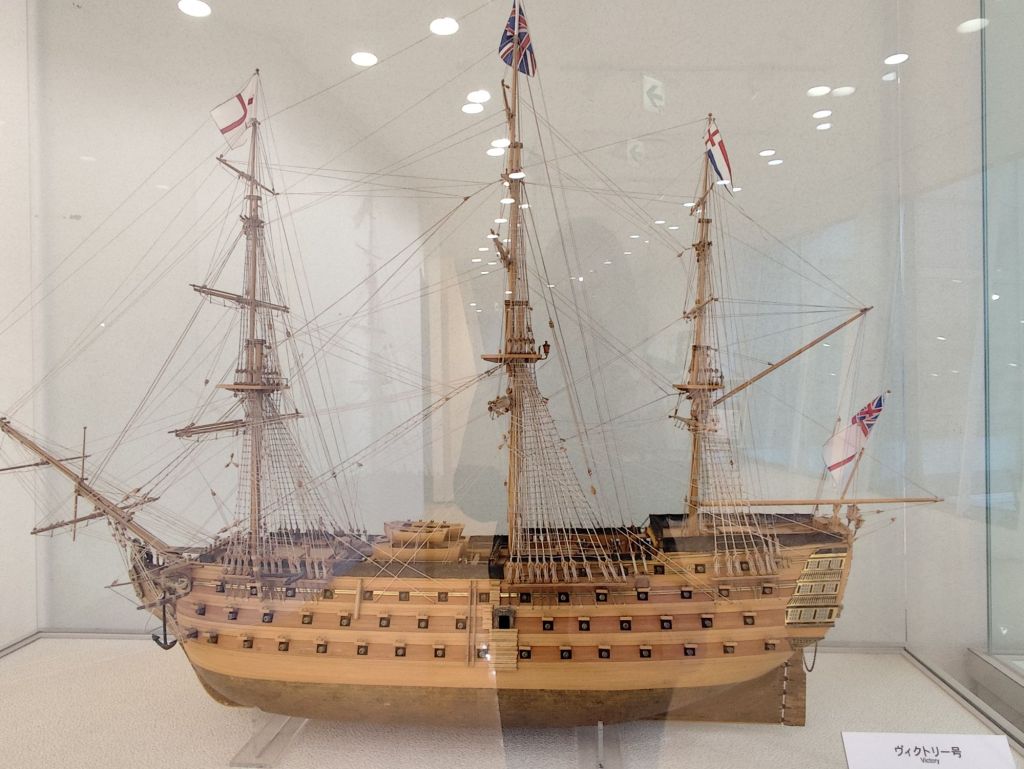
A friend recommended going to Kanmin straits museum, it’s an amazing interactive museum, it was great. There was a reconstitution of an old street, games to understand better the history of mojiko and Kitakyūshū, 2 different projections every 30min, games about boats etc., an amazing café and an observation deck!
After all that, I slowly headed back to the station to rest and wait for the night bus.
How to get there ?
From Fukuoka, you can take the :
- Highway bus (about 1h30)
- Shinkansen (15-20min)
- JR ligne Sonic-Nichirin- Hyuga (40min)
- JK ligne Kagoshima (about 1h10)
- Voiture (about 1h15)
Kitakyūshū is an interesting city and I think that spending 1 to 2 days there would be best. I still had a lot to see and I might go back asap!
You can follow my trip’s route via the following article and I’ll try to post each step faster!


 Travel & Cake
Laisser un commentaire